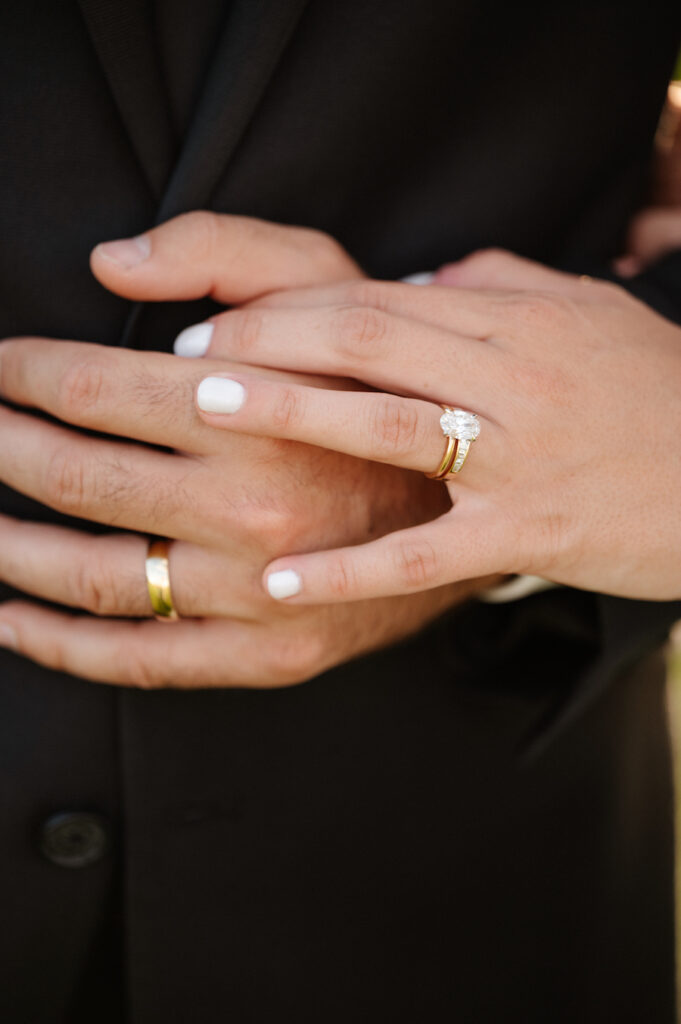


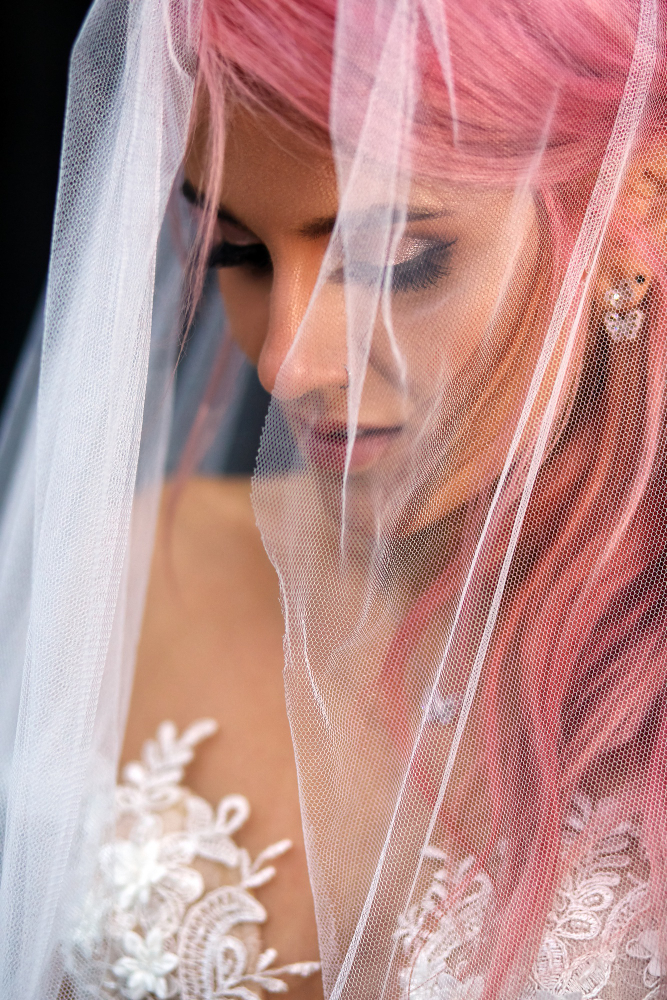



There is something about having a wedding on the calendar that changes how you look at your hair. Suddenly, the color you got touched up three weeks ago looks less fresh, the ends feel drier than you remembered, and the timeline between now and the big day starts doing math you did not sign up for. Whether you are the bride, a bridesmaid, or a guest who color-treats regularly, the moment a date gets circled, the clock starts ticking on your hair.

The good news is that colored hair responds extremely well to a consistent, targeted routine. The key is knowing what actually matters and in what order, rather than throwing every product in the beauty aisle at it and hoping for the best.
What Is Happening to Your Hair After Color
Most people understand that hair dye works by opening the cuticle and depositing pigment into the cortex, but fewer people think about what the process actually leaves behind structurally. Permanent color uses hydrogen peroxide as an oxidizing agent, and research published in ScienceDirect found that hydrogen peroxide and monoethanolamine together synergistically induce oxidative stress and cytotoxicity in human keratinocytes. That is a technical way of saying the process that gives you color is also breaking things down at a cellular level inside the strand.
The three types of bonds holding your hair together are disulfide bonds, hydrogen bonds, and ionic bonds. Disulfide bonds are the strongest and the ones most disrupted by chemical color processes. When those break, the hair loses structural integrity. It becomes more porous, more prone to breakage, and more likely to let pigment escape faster than it should.
The Porosity Problem and Why It Matters for Color Longevity
High porosity after coloring is not just a texture issue. Hair with a compromised cuticle cannot hold pigment the way intact hair can. The color goes in, but it also comes out faster with every wash. This is the real reason freshly colored hair starts looking dull or faded earlier than expected. It is not always about the quality of the dye or the colorist. It is often about the state of the hair structure receiving that dye.
Understanding this is what makes a pre-wedding hair routine genuinely different from just using fancier shampoo.
The Products That Actually Do the Work
If you have a wedding coming up and your hair is color-treated, the Davines colored hair collection is worth building a routine around. Davines formulates specifically for color-treated hair with ingredients that address the structural damage that comes with the territory, not just the surface-level shine. Their approach to color care focuses on both protecting the pigment and supporting the integrity of the strand itself, which is the combination that makes the biggest visual difference in photos and in person.
The category you want to prioritize first is bond-building. Bond builders work differently from conditioners or masks. Rather than coating the outside of the strand, they penetrate into the cortex and help reconnect the disulfide bonds broken during the coloring process. Products in this category typically contain amino acids, hydrolyzed proteins, or specific bonding agents like bis-aminopropyl diglycol dimaleate. They are not a marketing invention. The technology behind them is well-established in cosmetic chemistry, and they are now available in shampoos, conditioners, leave-ins, and standalone treatments.
Sulfate-Free as a Non-Negotiable, Not a Trend
Switching to a sulfate-free shampoo is the single most impactful daily change for color-treated hair. Sodium lauryl sulfate and sodium laureth sulfate are effective cleansers, but they work by opening the cuticle to remove dirt, which also pulls pigment out with each wash. The dye molecules inside your cortex are not locked in permanently. Every time the cuticle is forced open by a harsh detergent, some of those molecules leave.
One practical shift that makes an immediate difference is also reducing wash frequency. Washing two to three times a week instead of daily limits how often the cuticle is stressed while still keeping the scalp clean. On off days, a dry shampoo applied at the roots can absorb oil without touching the color at all. A study on wash frequency and scalp health notes that less frequent washing reduces cumulative mechanical and chemical stress on hair, which compounds into real structural benefits over time.
When you do wash, the water temperature is not a small detail. Hot water dilates the cuticle the same way a harsh shampoo does. A cool or lukewarm final rinse after conditioning closes the cuticle, seals in moisture, and can reduce color loss per wash by an estimated 30 percent. It sounds minor until you multiply it across every wash between now and your wedding date.
Deep Conditioning and When to Do It
Deep conditioning once a week is the baseline for color-treated hair in the months before a wedding. A mask left on for 20 minutes on damp hair after shampooing replenishes moisture that the coloring process and regular washing deplete. For hair that is both bleached and toned, or color-corrected with multiple sessions, a weekly protein treatment adds structural reinforcement on top of that hydration.
The distinction between moisture treatments and protein treatments is worth knowing. Moisture treatments restore water content and elasticity. Protein treatments rebuild the outer scaffolding of the strand. Hair that has had a lot of chemical work often needs both, but alternating them prevents protein overload, which can make hair feel stiff and brittle. A good rhythm for most color-treated hair leading up to a wedding is a deep moisture mask one week and a protein or bond-building mask the next.
The UV Factor That Most People Skip
Sun is one of the most consistently underestimated enemies of dyed hair, and this is especially true for anyone spending time outside between now and a summer or outdoor wedding. Research published in PubMed found that all hair types showed a substantial increase in protein loss after UV exposure, with UVB radiation being two to five times more damaging than UVA depending on hair type. Significant color changes were observed in every hair type after sun exposure, and the effects were more pronounced in lighter-colored hair.
For dyed hair specifically, the pigment molecules in the cortex are vulnerable to photooxidation. This is the chemical process behind the brassy, faded, or washed-out look that colored hair develops after a summer of sun exposure without any protection. A leave-in product with UV filters or a light UV-protective spray applied before outdoor time addresses this directly. It is not the same as sunscreen for skin, but it works on a similar principle: absorbing or scattering the wavelengths most likely to break down pigment.
Hard Water and What It Does to Color
This one comes up less often but matters significantly depending on where you live. Hard water contains elevated levels of calcium, magnesium, and sometimes iron. These minerals deposit on the cuticle over time and accelerate pigment oxidation. They can also cause unwanted color shifts, particularly brassiness in blondes or greenish tones in ash shades. If your tap water is hard, a chelating treatment every two to three weeks pulls those mineral deposits off the hair without stripping pigment. A shower filter is the longer-term fix if you want to address it at the source.
Building a Timeline Before the Wedding
The specific order of steps in the weeks leading up to a wedding matters more than people expect. Rushing a protein treatment or bond builder right before the event, without having built any foundation, gives you far less than you would get from a steady routine started eight to twelve weeks out.
A solid structure looks something like this: start a sulfate-free shampoo and weekly masking routine as soon as the date is set. About six weeks out, add a bond-building treatment either in-salon or at home. Two weeks before the wedding, do a deep conditioning mask and avoid any major chemical services including a full color refresh if possible. If a color touch-up is needed, schedule it no closer than ten days before the event to allow the cuticle time to close and the color to settle. A gloss or toner in the final week can refresh vibrancy without the structural disruption of a full color service. If you’re still figuring out how to navigate all of the pre-wedding beauty planning, the overall approach is the same whether it’s your hair routine or your proposal moment: preparation done early gives you the best result on the day.
What Not to Do in the Final Two Weeks
Bleaching or lifting color within ten days of the event is the most common misstep. The hair needs recovery time after any oxidative process, and you want it looking its best in photos, not in the middle of a repair window. Similarly, a keratin treatment done too close to the date can leave hair looking overly flat or without its natural movement, which does not always translate well in wedding photography. If either of these services is on the list, schedule them further out and use the final two weeks purely for maintenance.
Avoiding clarifying shampoos in the last month is another practical rule. Clarifying formulas are designed to strip product buildup, which they do well, but they are also highly effective at stripping color. Once a month is fine for general maintenance earlier in the routine, but pull it from the rotation as the wedding gets close.
The Routine, Simplified
The goal of everything above is hair that looks deliberately cared for, not reactive. Color that holds its tone, strands that are hydrated enough to reflect light cleanly, and enough structural integrity to handle the heat styling that inevitably comes on a wedding morning. That combination does not happen by accident in the 48 hours before the event. It is built over weeks of consistent, specific care.
Color-treated hair responds to routine in a very visible way. The results show up in how the light catches it, how the style holds through a long day, and how fresh it still looks in the photographs six months later when you are looking back at them. That is what makes the routine worth building early and worth sticking to.
Written by: John Hales