




Planning a wedding involves navigating many deep-seated customs. From the dress to the venue, every choice carries meaning. Jewelry is a major part of this preparation, serving as both decoration and a symbol of love.
Many couples wonder who is supposed to provide these beautiful pieces. The answers vary across different backgrounds and eras. Understanding these customs helps families plan their roles without confusion.
The Groom and Close Family Members
The partner often takes the lead in selecting shiny tokens for the big day. This gesture shows commitment and adds a personal touch to the bridal look.
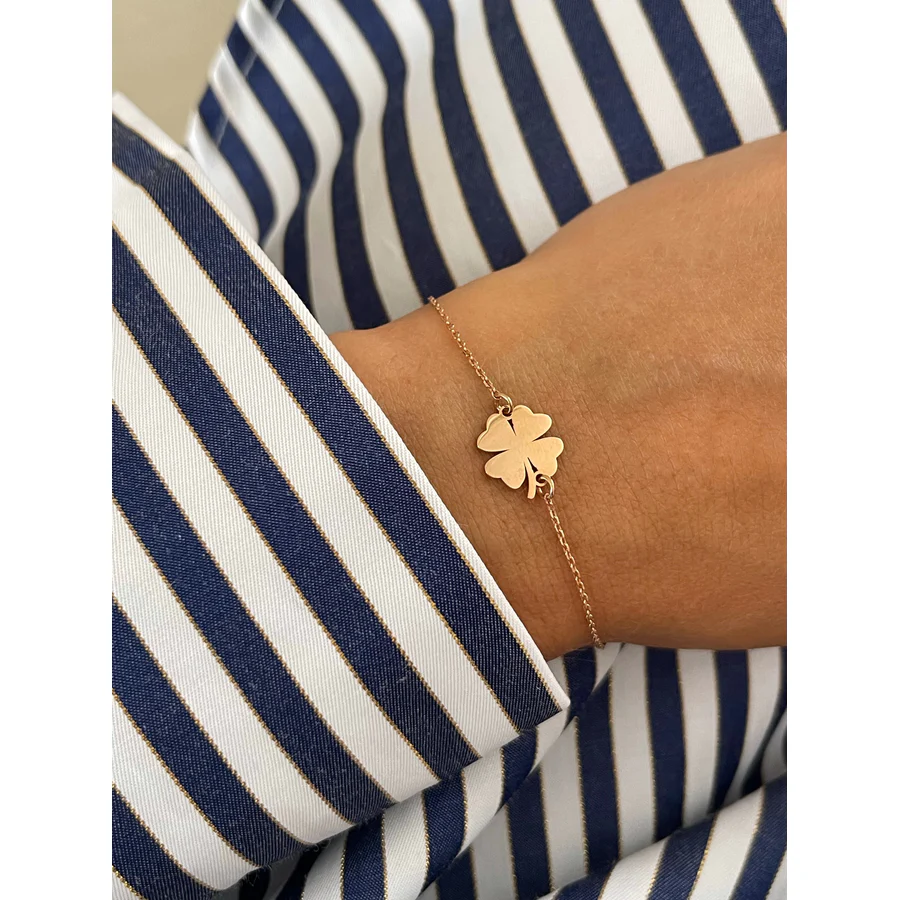
Shopping for these items usually happens months before the ceremony. Many people search for last minute jewelry gifts, such as ISKRA personal jewelry, when they need something thoughtful, elegant, and easy to choose. Finding the right piece quickly can relieve a lot of stress for the bridal party.
Parents often step in to offer family heirlooms during these moments. Passing down a vintage necklace connects the new marriage to past generations. This creates a beautiful link between family history and the future.
Gifts From the Groom’s Parents
In various cultures, the parents of the groom take on a major role. They welcome the new spouse by presenting beautiful items before the ceremony.
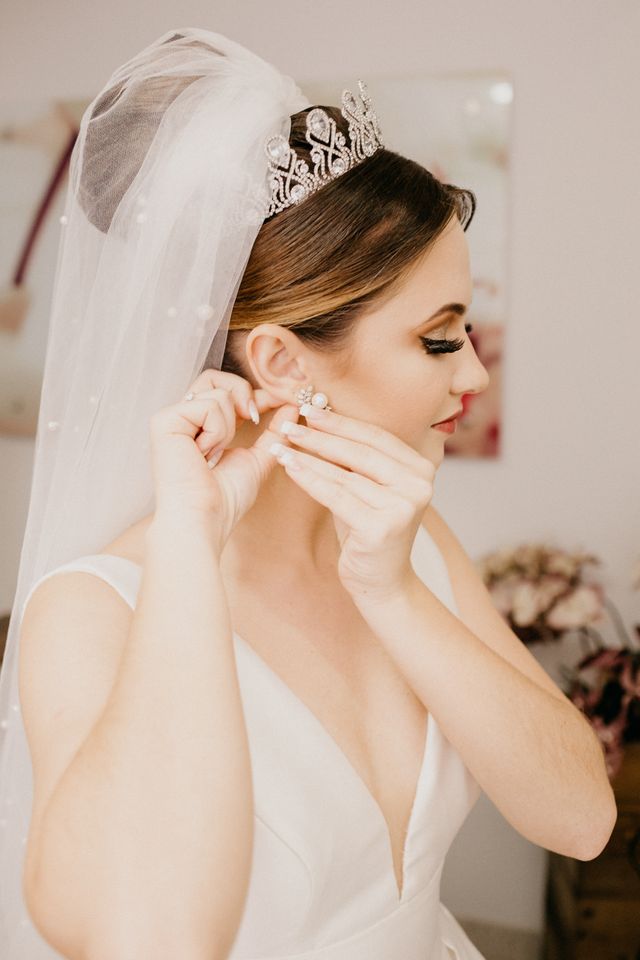
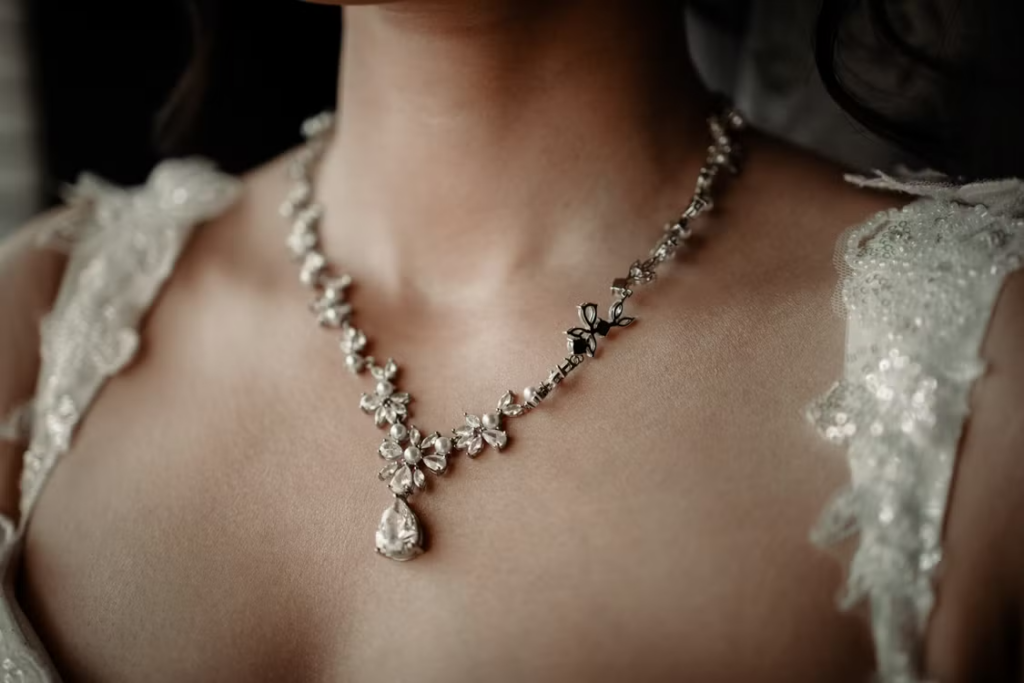
An online article explained that the groom’s parents or godparents traditionally gifted pieces like earrings, necklaces, or bracelets. These 3 specific accessories were meant to be worn directly on the wedding day.
This gesture represents a warm welcome into the groom’s family line. It shows acceptance and wraps the bride in the family’s shared history. The pieces often become treasured items for future generations.
The Traditional Role of the Groom
Aside from family gifts, the primary partner holds a major responsibility. Buying the central symbols of marriage falls on their shoulders.
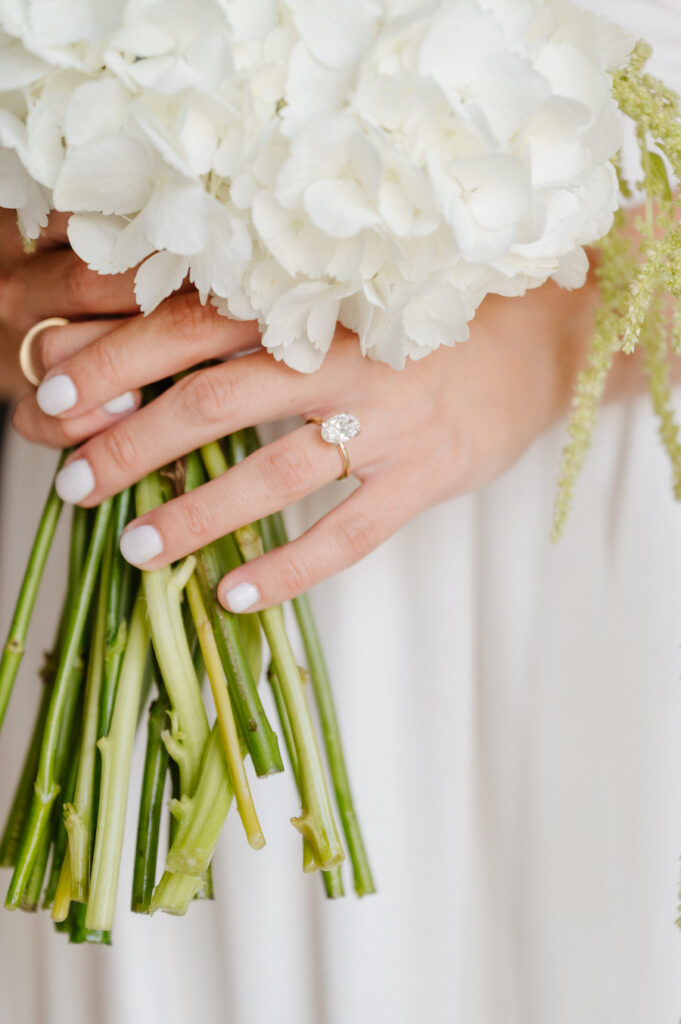
A leading jewelry blog pointed out that the groom or his family traditionally covers the cost of the engagement ring and wedding band in Western cultures. This financial commitment represents one major aspect of the wedding budget.
These rings represent an endless bond between the couple. Selecting them involves careful planning and significant financial investment. The tradition remains strong across many modern ceremonies.
The Bridal Party and the Rings
The bridal party participates in managing these valuable items. Attendants and close friends help keep track of everything during the busy day.
A wedding guide mentioned that the best man serves as the default holder of the rings in many Western ceremonies. Keeping the bands secure until the vows are exchanged is a critical duty.
This setup keeps the couple from worrying about losing their precious bands. Having a trusted friend handle the details allows the couple to focus on each other. It adds a layer of community support to the ritual.
Wedding traditions offer a beautiful framework for celebrating love. Whether pieces come from parents, partners, or friends, each item carries deep meaning. These gifts celebrate a new beginning and honor family roots.
Couples can follow these historical paths or create their own rules. The most meaningful aspect is the love behind the gesture. Every sparkling piece helps tell the unique story of the couple’s new life together.
Written by: Fiona Adams