

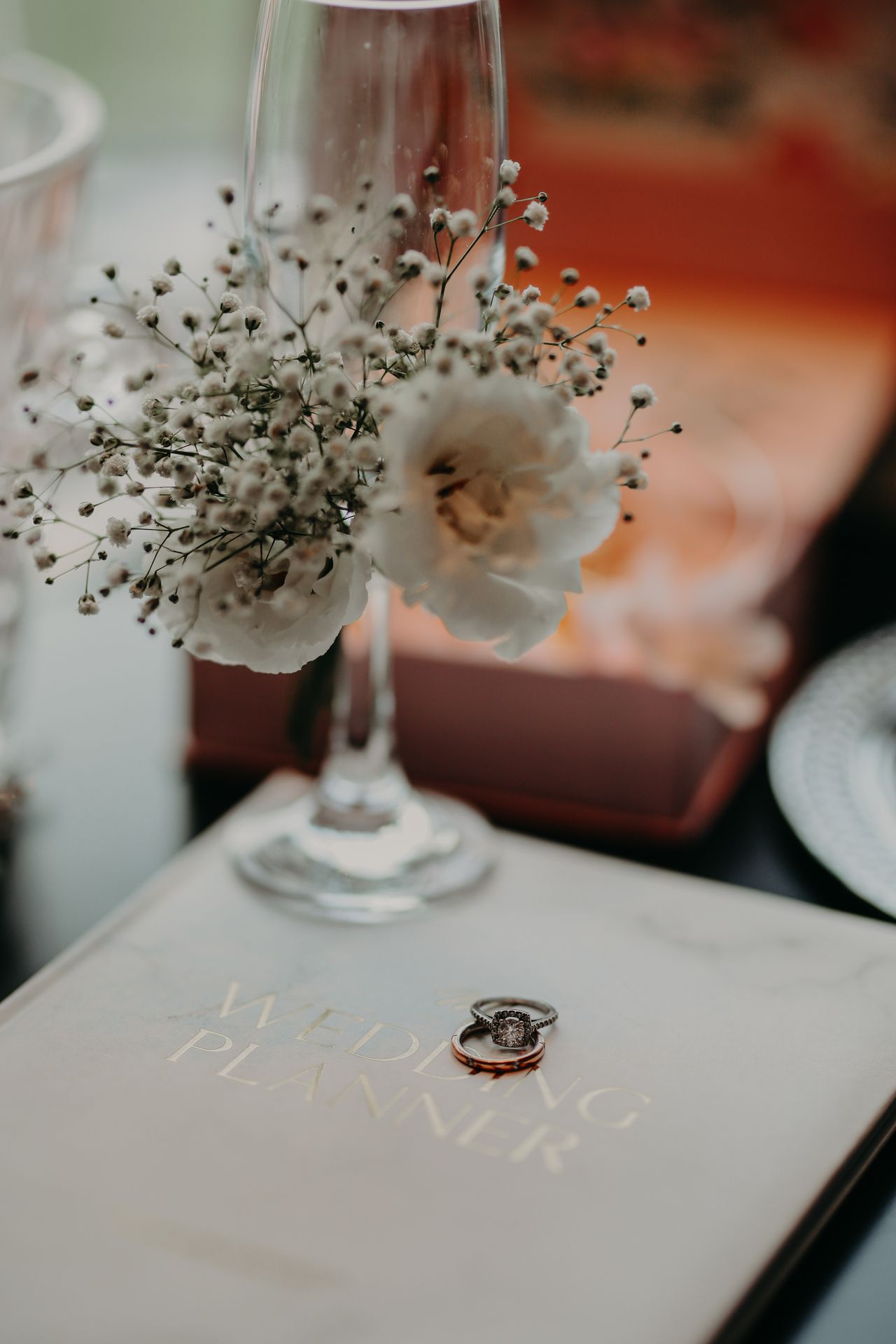



The ring is finally sitting on your finger. The initial whirlwind of popped champagne corks, teary eyes, and endless phone notifications is finally slowing down. And right on cue, the exact same question starts popping up from everyone you run into: so, have you picked a date yet?
Honestly, proposal stories are pure magic. They are wrapped up in quiet promises, late-night conversations over takeout, and that sudden, overwhelming relief of checking off “finding your person” on the life list. But then reality steps in. Pretty quickly, actually. You suddenly realize that turning one single romantic moment into an actual, full-scale event takes logistics, tough choices, and a whole lot of practical compromises.
Going from the sheer high of getting engaged to the grounded reality of venue contracts can feel like a total system shock. I think most people feel completely lost right around here. And honestly, that is totally fine. The big secret is that you do not have to trade away the magic of your engagement just because you need to start talking about guest counts and venue availability. You can build a day that feels genuinely like you while keeping both feet firmly on the ground.
Here is how to make that transition smoothly without losing your mind or your joy along the way.
Pause and Protect Your Engagement Era
Before you jump headfirst into downloading five different planning apps, buying physical binders, or scheduling a dozen venue tours in one weekend, just stop for a second. Seriously, take a breath. Give yourselves a couple of weeks to simply exist as an engaged couple.
The social pressure to start planning immediately is very real, and it can steal the quiet sweetness of this milestone before you even get a chance to process it.
Use this buffer time to talk about how you want the entire process to feel. Do you picture a long, relaxed engagement where you take your time, or are you both eager to get hitched as soon as humanly possible? Are you drawn to an intimate backyard gathering, or do you see yourselves in a bustling downtown venue surrounded by everyone you have ever met?
Talking through these big-picture ideas before looking at a single price tag helps protect your shared vision from outside opinions later on.
So, just pause first. Enjoy the quiet before the wedding inbox takes over your life.
Define Your Non-Negotiables Early
Every single wedding involves trade-offs. Unless you happen to have a completely bottomless bank account, you are going to have to decide where your energy and hard-earned money actually go. That is why settling on your core priorities early on is so important.
Sit down together on a quiet afternoon, maybe over coffee, and pick your absolute top two items each. For you, it might be hiring an incredible photographer to capture every candid look. For your partner, maybe it is a great live band or unforgettable food. Once those anchors are set, you know exactly where to spend and where you can cut back.
And what happens when family opinions or budget conflicts come up later? Because trust me, they will. You just head right back to these priorities. If a detail does not serve those core elements, letting it go becomes a whole lot easier.
Map Out the Financial Landscape
You cannot build a realistic plan without staring your real numbers right in the face. Talking about money is rarely cozy, especially when you are trying to keep the romantic vibe alive. Staring at spreadsheets on a glowing laptop screen late at night is definitely not romantic. But handling this stuff early saves you from a massive headache down the line. And that is really the point.
Start by figuring out what you two can comfortably contribute without straining your day-to-day lives. If parents or family members offer to contribute, have gentle, transparent chats to confirm exact amounts and see if any expectations are attached to that support.
Once you have a total working budget, break it down into realistic buckets. Making use of a wedding cost calculator gives you a solid, real-world look at how actual wedding expenses get split up. Seeing genuine baseline estimates for things like catering, rentals, photography, and florals keeps you from building a dream plan on completely unrealistic expectations.
Numbers are not there to box you in. They just give you clarity.
Build a Realistic Guest List
Your guest list is the main engine behind your entire budget. How many people are you actually comfortable hosting? It determines the size of the room you need, your food-and-drink bill, and the night’s overall energy.
A simple way to tackle it is by building three rough groups:
- The inner circle: Immediate family, best friends, and the people you cannot imagine standing there without.
- The broader circle: Extended relatives, longtime family friends, and close coworkers.
- The optional list: Acquaintances, casual friends, and extra plus-ones.
Structuring your list this way gives you actual wiggle room. If your top venue has a lower capacity cap or catering quotes come back higher than expected, you already know how to adjust your headcount without a full-scale panic.
Choose a Venue That Does the Heavy Lifting
When you start touring locations, try to look beyond how pretty the space looks in photos. Pay attention to what the venue actually provides. A space that supplies tables, chairs, basic linens, and on-site catering might look pricier at first glance, but it often saves you thousands of dollars and endless logistical headaches compared to a raw, blank-canvas space where you have to truck in every fork and light fixture.
Ask the unglamorous questions during your walk-throughs. How many hours do you get for setup? Is there a strict sound curfew? What happens if it pours rain?
A gorgeous backdrop is wonderful, but smooth logistics are what actually let you relax and enjoy your own party. You want to actually be present for it.
Assemble Your Team of Vendors
Your vendors are the crew executing your vision while you are busy getting married. Take your time choosing people whose work you love and whose communication style makes you feel at ease.
Pay attention to those initial emails and phone calls. Are they prompt? Are they clear about their pricing and boundaries? You will be working with these professionals for months, so good communication is just as crucial as a beautiful portfolio.
Once you hire great people, lean on them. Experienced vendors have handled dozens, sometimes hundreds, of events. They know how much time hair and makeup actually takes, how long dinner service runs, and how to keep a timeline moving without making anyone feel rushed.
Keep Perspective Throughout the Process
When you get deep into the weeds of planning, remind yourselves that a wedding is one day marking the start of a lifetime together. What do you want to remember most when you look back years from now?
It’s easy to spiral over small things like napkin folds, signage fonts, or party favors. But looking back years from now, nobody remembers those tiny details anyway. They remember how warm the room felt, how good the food was, and how genuinely happy you two looked together.
When the stress starts building up, step away from the checklists. Pick a night, go out for dinner, and make wedding talk completely off limits. Keeping your relationship at the center of it all is what keeps the whole process grounded.
Turning a proposal into an actual wedding plan is really just about taking big, abstract dreams and breaking them down into small, manageable steps. Take it one decision at a time, stay honest about your boundaries, and focus on what matters most to both of you. You have got this.
Written by: Antoine Fischer