

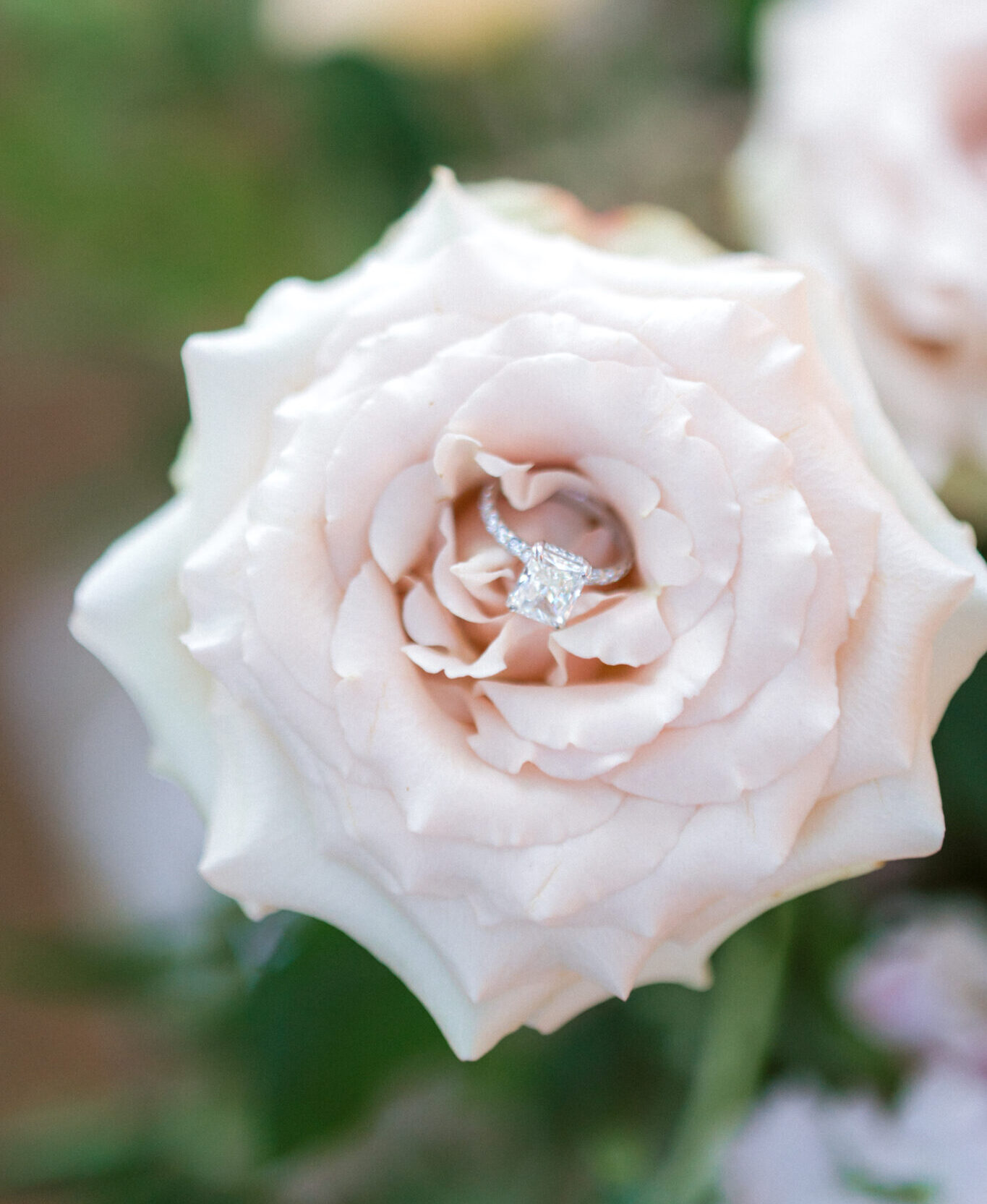



Modern Elegance Meets Tradition
Unique solitaires are redefining the classic style with updated band designs, bold prong settings, and cleaner lines that emphasize the center stone. Vintage influences are showing renewed strength as step cuts like emerald-cut diamonds return, offering a balanced mix of subtle sparkle and mid-century sophistication. Meanwhile, yellow gold remains a preferred metal choice, often paired with white gold elements to achieve a harmonious yet modern look.
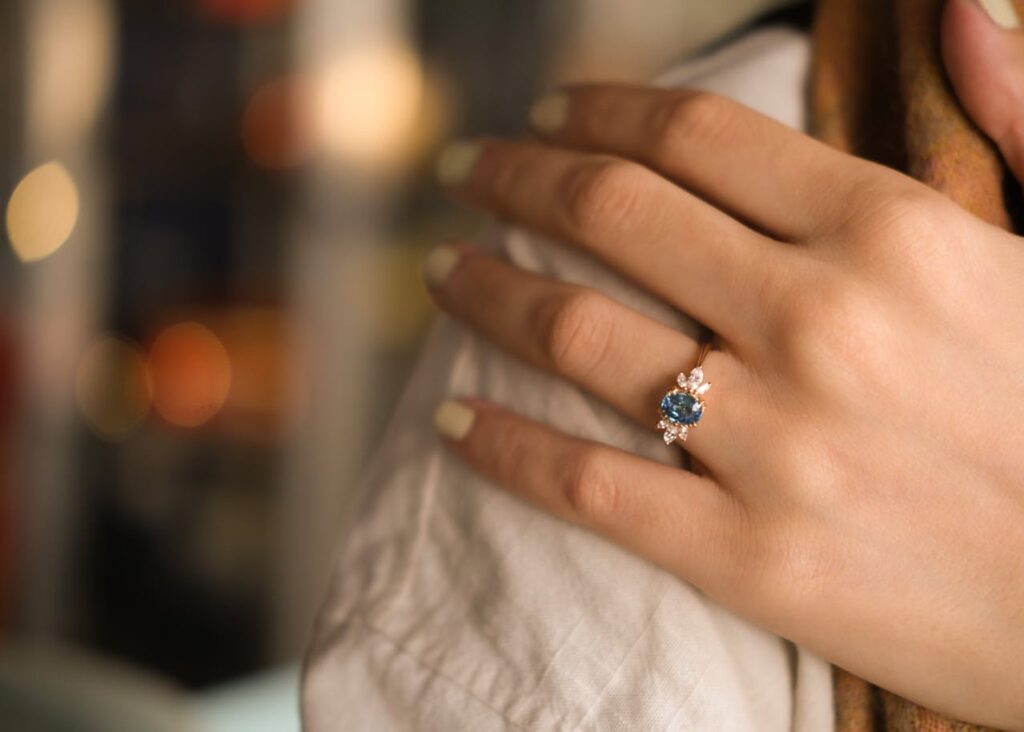
Colored gemstones such as pink and teal sapphires provide additional ways to personalize the ring while introducing a bold aesthetic. These stones pair well with half bezel settings, which strike a balance between secure design and visual openness.
Architectural Highlights
Maximalist multi-stone settings are at the forefront of trends, celebrated for their eye-catching and creative compositions. Trefoil rings, which feature a central round or oval stone surrounded by smaller stones, are highly rated for their ability to create depth and visual interest. Toi-et-moi settings, characterized by two main stones positioned side by side, enhance versatility, accommodating various combinations of cuts and colors.
For those leaning toward sleek, structural aesthetics, settings like blackened gold and thick architectural bands deliver a bold yet functional finish. These designs prioritize durability while offering opportunities for intricate detailing, ideal for those preferring avant-garde touches.
Geometric Styles and Sleek Minimalism
Sleek, geometric designs are increasingly appealing to those who prioritize clean lines and understated aesthetics. Styles such as emerald cuts, characterized by their step-cut design and rectangular shape, fit neatly into this preference. Rectangle engagement ring options, for instance, combine timeless elegance with a modern twist, making them a popular choice. These can feature platinum or yellow gold bands to enhance their minimalist appeal.
Similarly, east-west settings often complement geometric designs by introducing a horizontal orientation. Paired with marquise or emerald cuts, these settings lend themselves to unique yet sophisticated arrangements without being overly ornate or loud.
Shapes Redefined
Marquise-shaped stones are among the most dynamic options available. With edges that naturally elongate the finger, they suit various types of settings. Their adaptability to both bezel and prong configurations makes them a standout feature in 2025’s emerging trends. Round stones maintain a consistent demand, accounting for nearly 28% of all designs due to their universal appeal and compatibility with numerous setting styles.
Step-cut gemstones like emerald cuts also remain notable. They cater to those valuing vintage aesthetics and streamlined appeal without excessive sparkle due to their linear facet arrangement.
Vintage Meets the Contemporary
Interest in vintage cuts remains strong, particularly in Art Deco-inspired designs, with their geometric shapes and intricate detailing. As 2025 marks the 100th anniversary of Art Deco’s peak, reinterpretations of its stylistic elements are being modernized with sleeker looks and more refined craftsmanship. Hidden halo settings, which adorn the base of the center stone rather than the surface, are another innovative addition. This design provides subtle detailing without shifting focus away from the primary diamond.
Cocktail-style engagement rings, characterized by their asymmetry and avant-garde aesthetics, are also shaking up conventional norms. These designs have gained momentum among those seeking alternatives to traditional solitaire configurations.
Personalization and Consumer Collaboration
The increasing occurrence of collaborative ring shopping has solidified the importance of customization. Almost 77% of those proposed to in 2024 had some level of involvement in selecting their engagement rings. Personalized touches—such as colored stones or unique combinations of mixed metals—allow the wearer to express their preferences meaningfully.
Budget considerations further guide shopper behavior. While the median desired cost of an engagement ring hovers around $1,571, survey responses reveal varying ranges, with 38% aiming to spend under $1,000 and 21% spending between $1,000 and $2,000. These statistics highlight the growing emphasis on obtaining value-driven, customized designs.
Practical Considerations
Proper proportioning ensures the ring complements the wearer’s hand. Marquise shapes, for instance, create the illusion of longer fingers, whereas designs with multiple stones or cluster settings fit best for broader fingers. Metal selection also affects both aesthetics and functionality: white metals like platinum lend themselves to cooler skin tones, while yellow or rose gold enhances warmer tones.
Ring practicality remains another key factor. Durability often takes priority, especially for everyday wear. Thick bands and bezel settings offer an extra layer of security while facilitating cleaner, more modern finishes. Combining practicality and beauty ensures the design delivers both functionality and visual appeal.
Written by: Rani Arsanios