


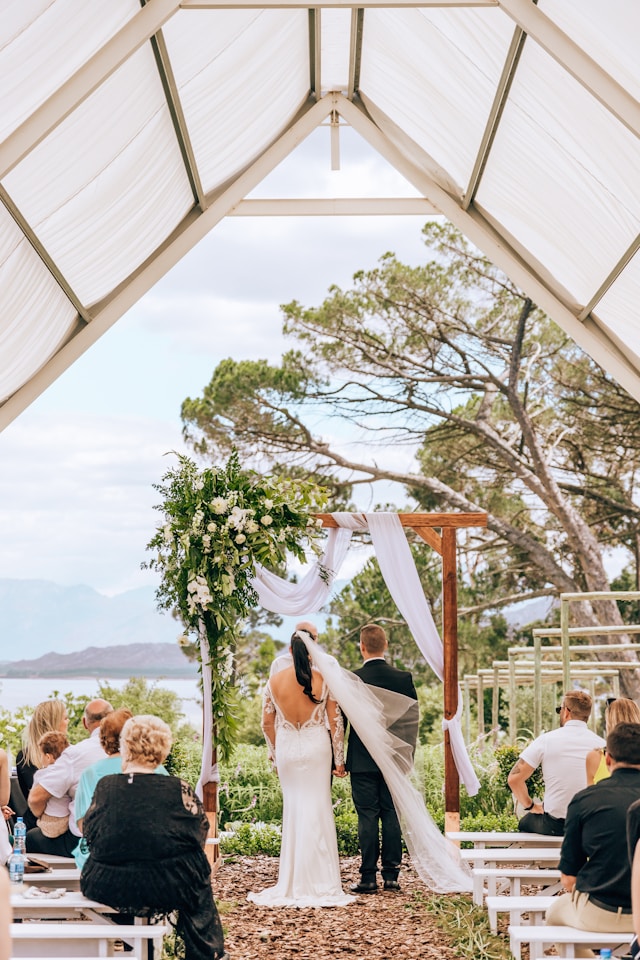



Outdoor weddings in Auckland are not just a stylistic choice. They are a practical response to geography, climate variability, and the type of venues available across the region.
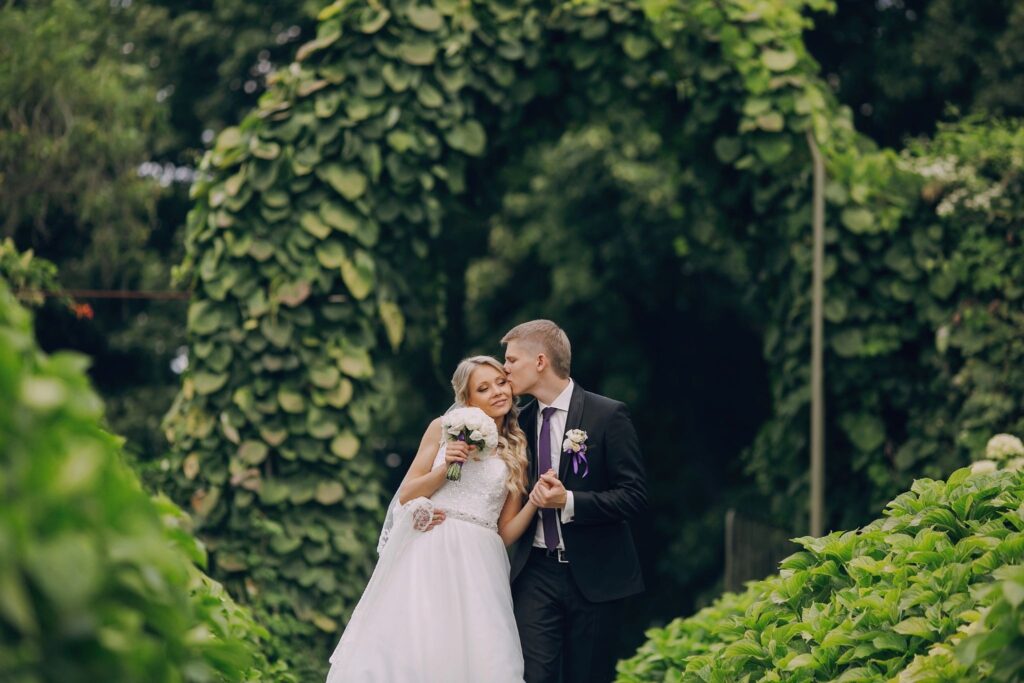
From coastal estates to vineyards and private properties, most ceremonies and receptions are now designed with outdoor conditions in mind.
What stands out is not the aesthetic, but the systems behind it. When weddings move outside, every decision becomes operational, from layout and timing to infrastructure and contingency planning.
Why Outdoor Weddings Dominate in Auckland
Auckland offers a mix of landscapes within short distances, beaches, gardens, vineyards, and urban rooftops. This variety allows couples to design weddings around specific environments rather than standardized venues.
At the same time, industry data shows that couples are increasingly prioritizing natural settings and outdoor photography, using landscapes as a core part of the experience rather than a backdrop.
The Shift Toward Open-Air Layouts
Outdoor weddings are not new in New Zealand, but their structure has evolved.
Instead of replicating indoor formats outside, layouts are built differently:
- Ceremony and reception are often separated across zones
- Guest movement is part of the design
- Natural elements replace built décor
This creates a more flexible environment but also introduces new dependencies.
Weather as a Core Planning Factor
Unlike indoor venues, outdoor weddings in Auckland must account for rapid weather changes.
Wind, sun exposure, and unexpected rain all influence how the event is structured. This is why outdoor weddings are rarely “fully outdoor” in a literal sense. There is almost always a layered setup behind the scenes.
Shade, Cover, and Structural Setup
One of the most consistent patterns across Auckland weddings is the use of temporary structures. Auckland Shade Systems are never just decorative additions.
Why Shade Systems Are Non-Negotiable
Outdoor events require protection from both sun and rain.
Shade systems provide:
- UV protection during daytime ceremonies
- Rain coverage without relocating the event
- Defined spaces for dining and gathering
Without these systems, timing becomes unpredictable and guest comfort declines quickly.
Types of Structures Used
In Auckland, several types of structures are commonly used:
Marquees and Clear Tents
These are the most common solutions.
Clear tents allow natural light while providing full coverage. They are often used for receptions where visibility of the surroundings is important.
Stretch Tents and Modular Shade Systems
Stretch tents are more flexible and can be adapted to uneven terrain.
They are often used in garden or coastal settings where fixed structures are not practical.
Integrated Layout Planning
Shade systems are not placed randomly.
They are positioned based on:
- Sun direction throughout the day
- Wind exposure
- Guest flow between ceremony and reception areas
This turns what looks like a simple outdoor setup into a planned environment.
What Actually Works When You Move Outside
Auckland weddings highlight a clear difference between what looks good and what functions reliably.
Layout Before Decoration
The most effective outdoor weddings start with layout, not styling.
Guest seating, pathways, and service areas are mapped first. Décor is then added around that structure. This reduces bottlenecks and ensures that vendors can operate without interfering with the guest experience.
Timing Built Around Light and Weather
Timing is not just about the schedule.
Ceremonies are often aligned with:
- Sun position for photography
- Temperature changes throughout the day
- Wind patterns in open areas
This affects everything from seating orientation to ceremony duration.
Vendor Coordination in Open Spaces
Outdoor environments require more coordination between vendors. Catering, photography, and event management teams need clear access routes and defined working zones.
Unlike indoor venues, there is no built-in infrastructure, so everything must be created temporarily.
Logistics That Are Easy to Overlook
Many of the most important elements in outdoor weddings are not visible in photos.
Power and Equipment
Outdoor locations often require temporary power solutions.
Lighting, sound systems, and catering equipment all depend on reliable power sources. Generators and cabling are typically installed behind the scenes.
Ground Conditions
The type of ground affects setup.
Grass, sand, and uneven terrain require different approaches for seating, staging, and structures. This is particularly relevant in coastal and rural venues around Auckland.
Transportation and Access
Some venues are not easily accessible.
Guest transport, parking, and vendor access all need to be planned in advance, especially for locations outside the city center.
Design Trends That Hold Up Outdoors
Trends in Auckland weddings tend to follow what works practically rather than what is purely aesthetic.
Minimal Structures, Maximum Environment
Instead of heavy décor, many setups use the natural environment. Florals, table settings, and lighting are used to complement rather than replace the setting.
Multi-Zone Experiences
Outdoor weddings often create multiple areas:
- Ceremony space
- Dining area
- Lounge or cocktail zone
This distributes guests and reduces congestion.
Sustainability Considerations
There is a growing focus on sustainability.
Couples are choosing local sourcing, reusable décor, and low-waste setups, aligning weddings with broader lifestyle choices.
Where Outdoor Weddings Fail
Auckland weddings also reveal what does not work.
Ignoring Weather Contingencies
Events without backup plans often face disruptions. Even short periods of rain or wind can affect seating, equipment, and timing.
Overloading the Design
Complex setups with too many elements can create logistical issues. Outdoor environments work best with simplified, functional design.
Underestimating Setup Time
Outdoor weddings require more setup than indoor ones. Transporting equipment, building structures, and preparing the site all take time and coordination.
The Role of Personalization in Outdoor Settings
Recent data shows that most couples in New Zealand are choosing personalized ceremonies rather than standardized formats.
Outdoor settings support this shift.
Flexible Ceremony Design
Without fixed venues, ceremonies can be structured more freely. This allows for customized layouts, timings, and formats.
Venue as Part of the Experience
In Auckland, the venue is not just a location. It becomes part of the narrative, whether it is a coastal setting, vineyard, or private estate.
Closing Perspective
Auckland weddings show that outdoor events are not about removing structure. They are about replacing permanent infrastructure with temporary systems that perform the same function.
Shade systems, layout planning, vendor coordination, and contingency strategies are what make these events work.
The visual result may appear effortless, but behind it is a structured approach designed to handle variability.
That is the difference between an outdoor wedding that looks good and one that actually works.
Written by: John Hales