




Wedding dress shopping is frequently one of the most memorable experiences in a bride’s journey to her wedding day. The anticipation of finding “the one” can be exhilarating, yet it comes hand-in-hand with financial questions. Balancing dream dresses with practical realities is crucial for a stress-free planning process. Understanding the average wedding dress prices is the first step to feeling empowered as you begin your search for the perfect dress. For brides who prioritize both value and style, exploring affordable wedding dresses can be an excellent starting point; today’s market offers a myriad of styles and price points that make stunning gowns more accessible than ever. With numerous choices available—ranging from designer boutiques to online shops—it’s essential to arm yourself with knowledge before making a selection, ensuring that your decision is as informed as it is inspired.
This comprehensive guide will take a deep dive into what brides can expect when it comes to dress pricing, what factors drive those costs, and how to budget wisely for the most special outfit you’ll likely ever wear. From regional price differences to budget-friendly tips, we’ll guide you through everything you need to know, ensuring your gown-shopping journey is both enjoyable and financially sensible.
Understanding the Average Cost
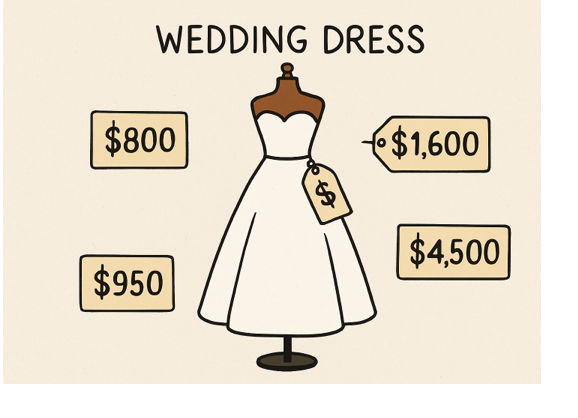
As of 2025, the average cost of a wedding dress in the U.S. is around $1,631, with prices ranging widely depending on style and source. Simple off-the-rack dresses can be found for under $1,000, while designer or custom gowns can cost several thousand dollars. Prices also vary by region, with major cities typically charging more due to higher demand and overhead. Brides encounter further differences based on where they shop—independent boutiques offer personalized service but are often pricier, while chain stores and online retailers provide more affordable, though less customized, options.
Factors Influencing Wedding Dress Prices
- Designer and Brand: Gowns from world-renowned designers or luxury labels often carry a considerable premium not only because of the brand’s reputation but also for their elite craftsmanship, innovative designs, and limited-run collections that heighten exclusivity. The cachet of a designer’s name can sometimes add hundreds or even thousands of dollars to a dress’s price tag.
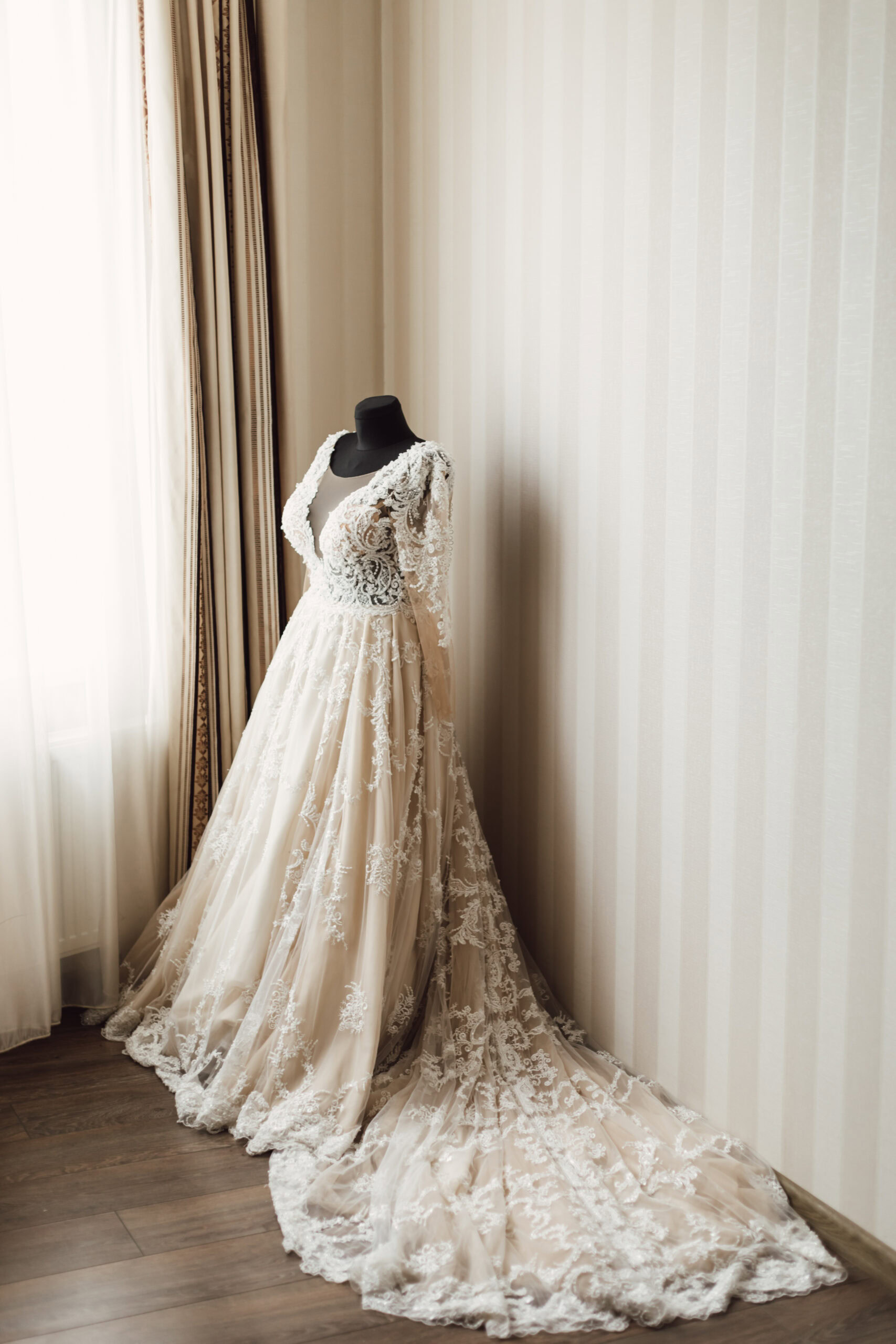
- Fabric and Materials: The type and quality of fabric significantly influence the base price of a wedding dress. Premium textiles—such as pure silk, intricate French lace, delicate tulle, or hand-embroidered bodices—are not only beautiful but labor-intensive to source and craft. Fine beadwork, elaborate appliqués, and long, dramatic trains further increase the cost, requiring additional labor and specialized skills in construction.
- Design Complexity: Dresses with more elaborate or innovative silhouettes, customized features, or complex structural elements demand more hours of skilled labor. The intricacy of cuts, embellishments, and modifications (such as detachable skirts or illusion bodices) directly affects production time and, consequently, cost.
- Retailer Type: Where you shop will matter. Boutique salons may charge more for exclusive access and personal fittings, whereas chain retailers offer more standardized pricing. Shopping online can save money, but it may limit your ability to test fabric quality or inspect in-person detailing before making a purchase.
Budgeting for Your Wedding Dress
To avoid unexpected financial surprises, wedding experts suggest allocating 10–15% of your overall wedding budget for attire. This range should comfortably cover the dress, core accessories, and essential alterations. In practical terms, for a $25,000 wedding budget, this means designating $2,500–$3,750 for your full look. Brides planning grander events, or with a particular designer in mind, may wish to allocate even more, while those prioritizing savings might opt for budget or consignment options. According to U.S. News & World Report, exploring nontraditional styles or alternative retailers can also lead to meaningful savings while still achieving a personalized, memorable bridal look.
Practical Tips for Smart Budgeting
- Start shopping early—ideally nine to twelve months before your wedding—to avoid rush fees and to allow plenty of time for browsing, fittings, and any unexpected issues.
- Define your must-have features and create a list, prioritizing necessary elements over splurge-worthy extras to help narrow down your choices and control spending.
- Budget for the extras, such as veils, coordinated shoes, jewelry, and even preservation, as these can add up quickly, so ensure there’s room in your budget for these “hidden” additions.
- Always maintain a small buffer for last-minute upgrades or emergency alterations that may arise during your final fittings.
Cost-Saving Strategies
A show-stopping dress doesn’t have to equate to overspending. With a little creativity and flexibility, brides can look spectacular while sticking to their budgets. Here are some of the top ways to save:
- Sample Sales & Trunk Shows: Local bridal shops frequently host sample sales or trunk shows, featuring last season’s designer gowns at dramatically reduced prices, often 30–70% off the original tags. These events are often advertised on store websites or social media, so staying connected can pay off.
- Pre-Owned Wedding Dresses: There are thriving markets for gently used or even new but unworn wedding dresses, accessible via both specialty boutiques and reputable online platforms. These options often offer designer styles at substantial discounts, making couture more affordable.
- Dress Rental: Rent-the-Runway-style companies now offer bridal gowns for rental, giving trend-focused or budget-savvy brides the ability to wear high-end styles without committing to a hefty purchase or worrying about storage after the big day.
Conclusion
Shopping for a wedding dress is deeply personal and a highlight of the wedding planning process. Yet, with an understanding of average costs, influencing factors, and budgeting best practices, brides can approach the search with clarity and confidence. No matter your style vision or the region you shop in, arming yourself with information—along with a few cost-saving tricks—will help you say yes to the perfect dress without regret. With mindful planning and flexibility, the wedding gown of your dreams is well within reach.
Written by: Daniel Bailey