

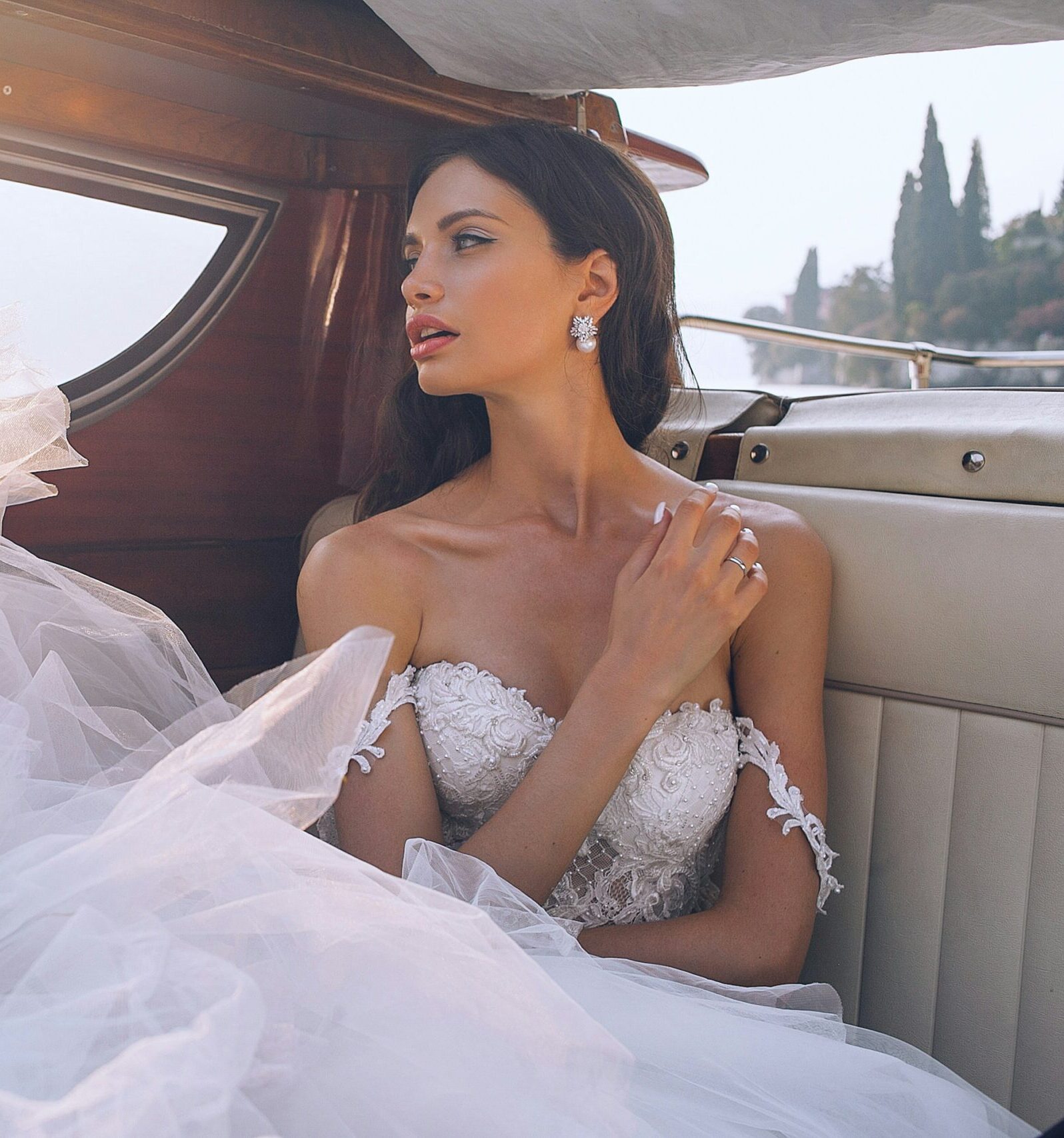



We live in times where quiet fashion and luxury are dominating the world, which may be the perfect time to change a few things in your upcoming wedding. Have you thought about equestrian elegance?
We are talking about wedding vibes inspired by horse culture. This is something truly unique, and you’ll definitely stand out – but all in the good ways. Horse culture has always carried a certain quiet confidence and luxury. It’s refined and prestigious without even trying, and we want to bring that energy to your wedding.
But this isn’t about dressing like you’re headed to the races. It’s about borrowing the principles that make equestrian and horse racing fashion work so well. And if these principles are applied correctly, your wedding look rises to the next level.
How to do it? Let’s find out.
Step 1: Decide Which Side of Horse Culture You’re Borrowing From
Horses have been around us for centuries, but this is a huge industry with many subcategories, and all of them have a different vibe. When you think about horse culture, everyday equestrian life and high-end horse racing culture are probably the first things that come to mind.
But as you noticed, they are completely different. One is all about vintage style, riding boots, tailored jackets, and practical fabrics, while the other is all about high-end fashion, luxury, prestige, hats, and champagne.
Now, there is nothing wrong with both of them, but we assume that most couples would want to go with the luxe horse racing style. After all, this is a wedding, and it needs to be glamorous.
So, before you choose dresses, decorations, and accessories, decide on the look you want to go for.
Maybe you should take some inspiration from big horse racing events like the Kentucky Derby. This is the most prestigious horse racing event in the world, where everyone turns up dressed up to the nines.
While you are here, it doesn’t hurt to place a bet on the race just because that’s also part of the horse culture. But before you pick a winning horse to bet on, make sure you research this year’s Kentucky Derby contenders. Having some insights might help you increase your winning chances.
Step 2: Choose a Dress Based on Structure, Not Trends
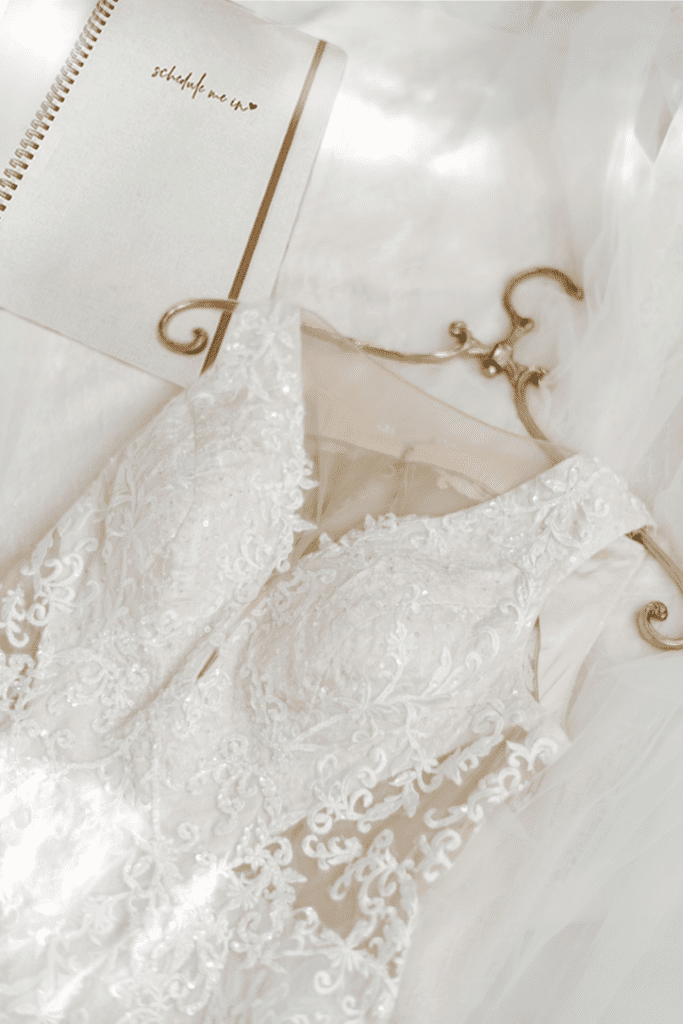
This is where most brides go down the wrong path. Equestrian-inspired bridal style starts with structure. This means that the dress should hold its shape without relying on heavy embellishment.
The goal here is to look for specific features that will capture that look. We are talking about a defined bodice that supports the upper body, clean seams or paneling instead of excessive lace, and fabrics like crepe, silk, or satin.
Remember, horse culture is all about elegance, and if the dress collapses when you stand still, it won’t angle well in photos or feel good by hour four. Since we are talking about a horse culture that’s all about movement, it’s nice to place volume in the skirt, not the bodice. This can represent riding fashion and keep it balanced.
Step 3: Pick Footwear Before You Finalize the Dress
This is often an overlooked step for the bride but let us save you from regret. Go for comfortable shoes! Horse culture doesn’t tolerate painful shoes, and neither should you on your wedding.
So before locking in your dress length, decide what you’re actually wearing on your feet. This determines everything else.
Things to consider (odd, but they work, trust us)
- Leather ankle boots
- Custom bridal boots
- Block heels
- Low, elegant riding-style heels
These are all models inspired by the calm horse culture. If you want some horse racing magic, then we are talking about luxurious shoes. In most cases, they are not high heels but wedge shoes or block heels. As you see, comfort over looks.
Step 4: Apply Horse Racing Rules to Accessories
Horse racing fashion follows one rule that weddings desperately need: one statement piece, with everything else supporting it.
So, yes, accessories are important, but you should focus more on your bridal dress.
Pick one focal accessory:
- A structured veil
- A minimal headpiece inspired by racing hats
- Statement earrings
- A strong hairstyle
Once that’s chosen, you should stop adding more. If your accessories compete with your dress, you’ve already lost the elegance equestrian style is known for. Remember, with accessories, less is usually more.
Step 5: Style the Groom or Partner With Tailoring First
Next, we have to think of the partner. Horse racing culture has influenced formalwear for decades, and the reason is quite simple: tailoring beats trends every time.
So, the job here is much simpler. The groom should go for a tailored suit.
However, you should always start with the fit. Not the color, not the accessories.
A well-fitted jacket with clean shoulders and a defined waist can make a big difference. In terms of fabric, you should go for linen, wool blends, subtle tweed, or textured cotton. It all depends on the season of your wedding.
When it comes to colors, these are the ones to consider:
Colors that always work:
- Navy
- Charcoal
- Soft beige
- Forest green
- Warm brown tones
If the fit is right, you won’t need much else.
Step 6: Match the Look to the Venue (Not the Other Way Around)
Equestrian-inspired weddings work best when the setting already has character.
Countryside venues, barns, estates, vineyards, and outdoor locations don’t need heavy décor. They need restraint.
Instead of over-styling, focus on materials:
- Wood
- Linen
- Leather
- Metal accents
Or you can go for something more luxurious and sprinkle some 5-star Michelin-style vibes from big horse racing events like the Kentucky Derby, where everything feels prestigious and luxurious. After all, there is no point in having a down-to-earth wedding if you already have a luxury proposal.
When the venue supports the look, your outfit feels like it belongs instead of standing out awkwardly.
So, do you think you can pull it off? When your wedding look is built on intention instead of trends, you don’t just feel elegant. You feel calm, grounded, and present, and it makes a world of difference.
Written by: Paulius Narkevičius