




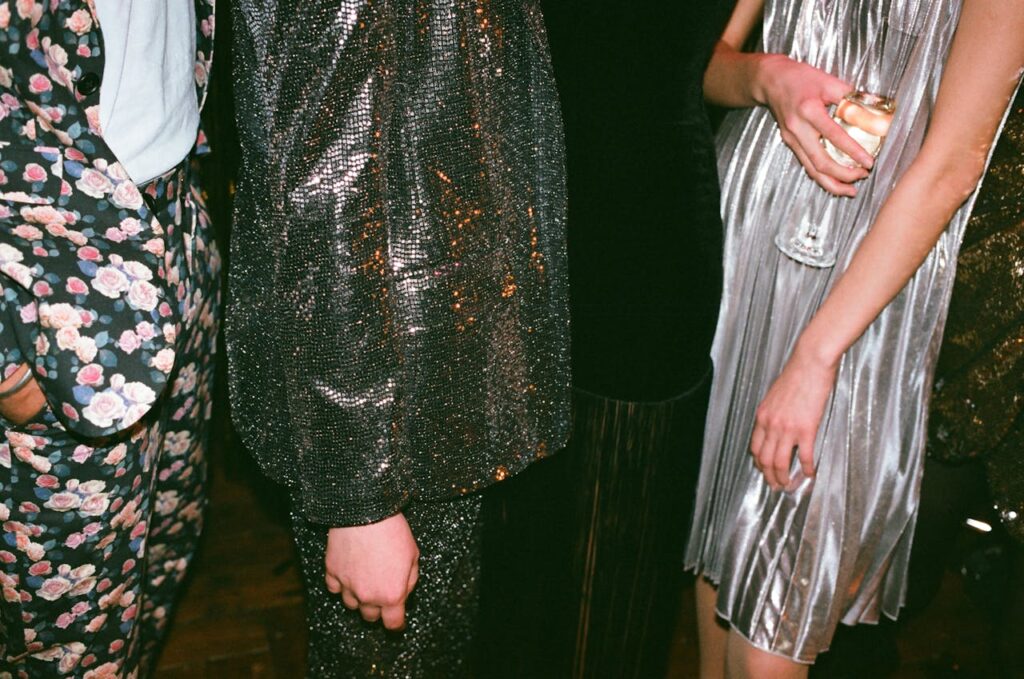
Evening wear is often praised for its allure and sophistication, yet it remains a topic shrouded in unwelcome complexity. Fashion sensibilities change, societal norms evolve, and what constitutes appropriate evening attire is no longer a straightforward decision. As gatherings modernize, so too does the attire deemed fit for such occasions. Here, we dissect the basics of evening wear, keenly observant of today’s nuanced fashion dance.
The Abundant Freedom of Gowns and Dresses
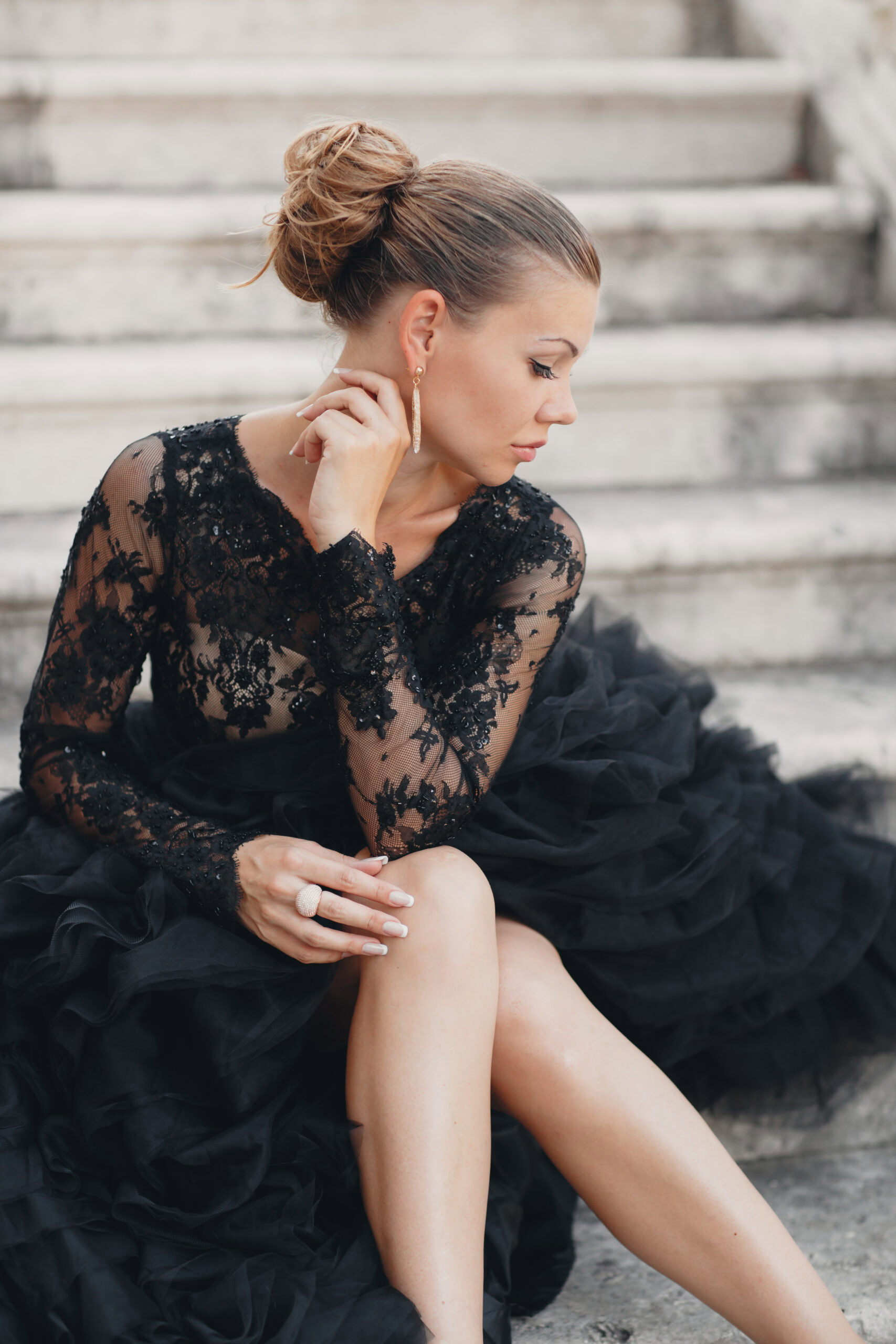
Women’s evening wear offers an extensive palette. Long gowns, often merged with plush fabrics and dexterous cuts, infuse elegance with fashion modernity. To be seen in trends like asymmetrical hemlines and daring necklines is to bask in the victorious sweep of fashion trends. Yet, simplicity commands its quiet respect—the single-tone gown, devoid of embellishments, whispers sophistication that subdues even the grander options.
Beyond their immediate appeal, gowns and dresses can navigate various fashion requirements with studied ease. There are important attire nuances, such as understanding the cocktail dress code, which helps one transition gracefully between the semi-formal and formal spectra, ensuring one’s ensemble is harmoniously aligned with the event’s ethos.
One sees the metamorphosis of past designs into contemporary classics—think the graceful empire waist reimagined for today’s parties. The gown, distinct in its drapery and flow, stands as a canvas for radiant creativity. Whether it’s an embroidered floral motif cascading down velvet or a metallic accentuating the drape, these elements imbue gowns with stories waiting to be retold at every event, where guests revel in the beauty of the craft.
The Unwavering Command of Classic Tuxedos
The classic tuxedo, with its satin lapels and well-defined contours, holds an indomitable status in evening wear. Despite the market’s attempt to diversify choices, this attire remains the pinnacle of elegance for men’s formal events. Accusations of being archaic have been levied against it, yet its understated class and finesse continue to enthrall. At black-tie soirées, only the most audacious dare to defy its dominance.
Further enhancing its allure is the rich tradition that underpins the tuxedo. With origins tracing back to the late 19th century, this garment carries a vintage charm that some fashion enthusiasts cherish and embrace. Wearing a tuxedo creates a sense of instant belonging in high society circles, dispelling any anxiety of dressing inappropriately. It remains a steadfast choice amidst shifting trends, providing a comforting nod to sartorial elegance.
The Rise of the Nonconformist Options
Recent times have celebrated less conventional forms of evening attire. While tuxedos and gowns dominate the formal end of the spectrum, many gatherings welcome creativity and expression. Women adorning sleek tailored suits and men stepping out in striking, patterned jackets mark this delightful divergence. This fashion flexibility allows individuals to reflect their persona and not just blend into the event’s expectations.
Unshackled by historical confines, this approach transcends gender norms and fosters individuality amidst a sea of tradition. It welcomes bursts of color, experimental textiles, and brave accessories—all in the spirit of self-expression. It is not an act of rebellion but rather one of embracing diverse narratives, where personal stories find articulation through threads, gathering nods of approval and silent applause.
Understanding the Social Fabric
Evening wear is not just dictated by personal taste but by an understanding of social subtleties. What is deemed suitable at a charity gala may clash at a high-profile wedding. Adhering to the event’s theme or even hosting society’s whims requires an acumen honed through observation. This contextual understanding is pivotal to avoiding sartorial faux pas and ensuring one’s attire earns admiration rather than derision.
Understanding etiquette involves perceiving the host’s implicit cues and the gathering’s essence. The occasion’s decorum is like silent poetry from which one infers expectations. The guests’ attire narrates an unspoken agreement to respect ambiance, turning the evening into a harmonious blend of personalities unified by a collective appreciation for refined taste and shared purpose.
Accessorizing and Adding Layers
The narrative of evening wear extends beyond the primary outfit. Accessories add nuance and depth to one’s appearance. Jewelry, from pearl accessories for women to minimalist cufflinks for men, plays a vital role. The importance of appropriate footwear cannot be ignored—sleek brogues or elegant pumps complete the ensemble’s story.
Furthermore, a prudent layer, be it a shawl, a light evening coat, or a scarf, not only offers warmth amidst chilly indoor venues but remarks nuance to the outfit’s elegance. These careful choices often define one’s attire as either flawless or misplaced.
Calling for a Retrospective Pause
As evening wear reflects evolving tastes and sensibilities, it is poignant to remember its societal and historical roots. Fashion cycles are indicative of broader cultural shifts, making evening wear a canvas upon which much of history and tradition is painted. While modernity demands innovation, it does not necessitate abandoning elegance or dismissing legacy.
In deciphering evening wear, standalone style and group conformity must intertwine gracefully. As gatherings grow broader in their expectations, so too should one’s cerebral understanding of formal apparel. The measure of elegance, above all, lies in its adaptability, never abandoning grace at altering norms.
Written by: Jake Dahlgren