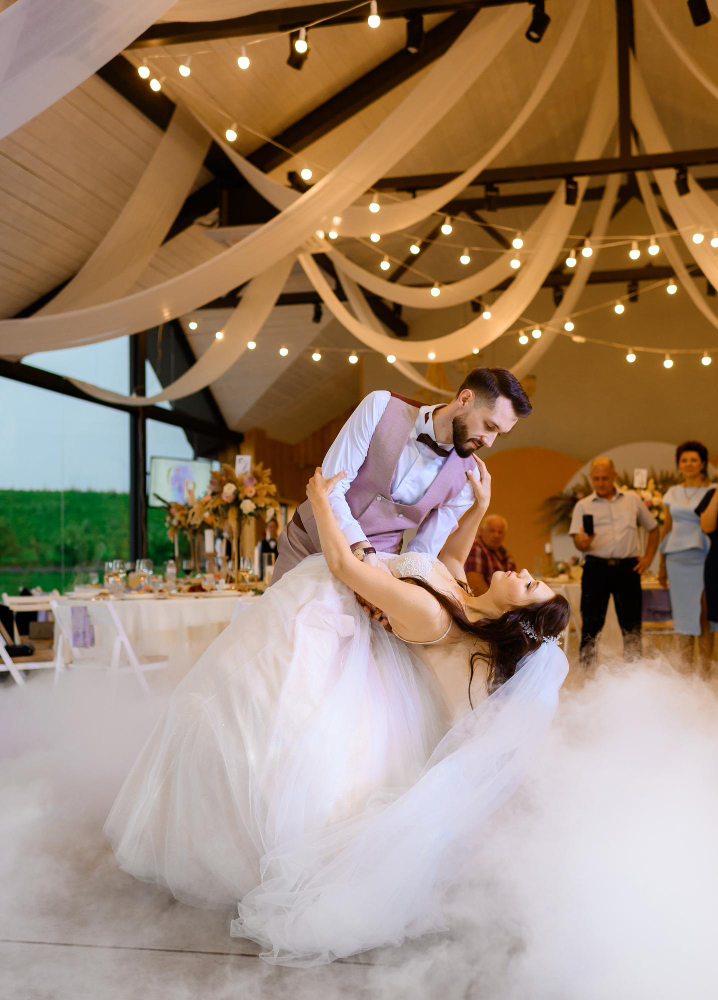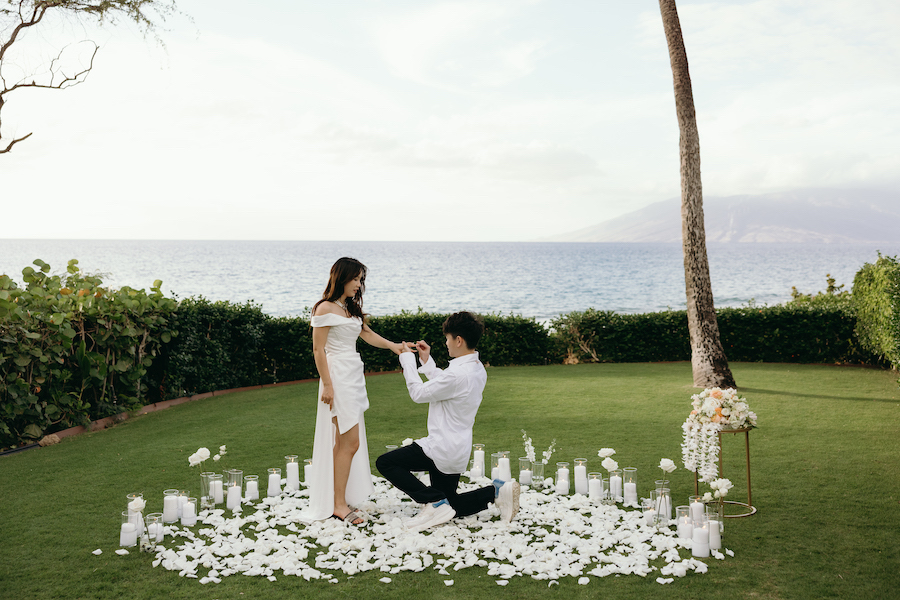


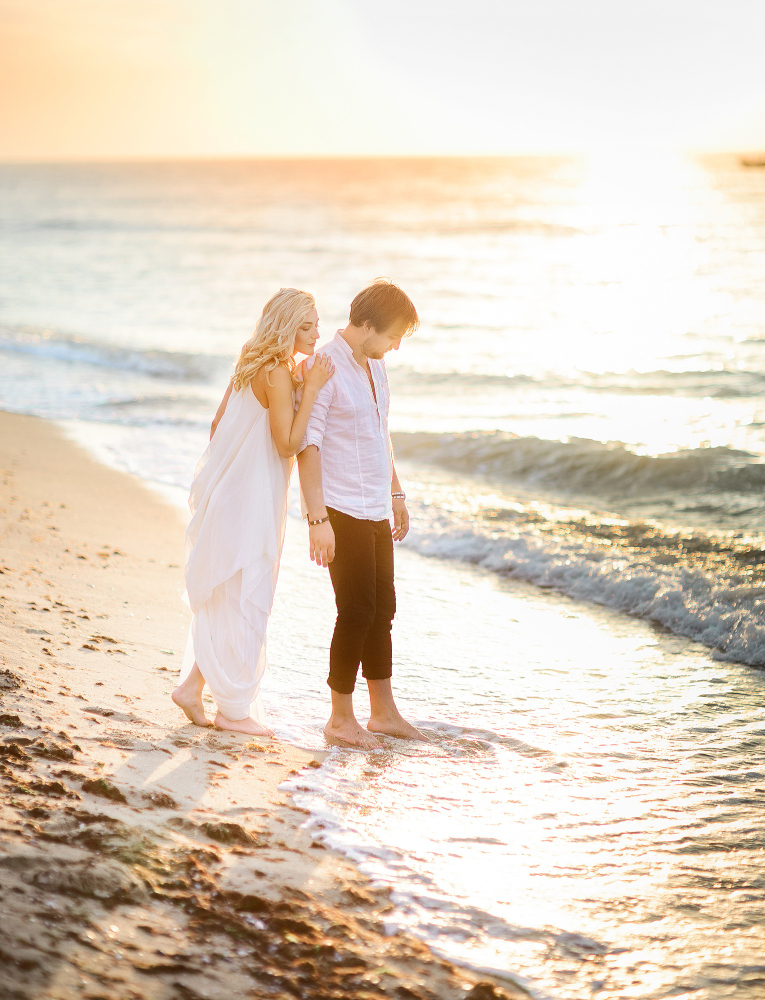



A destination wedding proposal looks effortless in the photos. What you don’t see is the three months of coordination that made those ten seconds possible. If you’re planning to propose abroad, the gap between a beautiful moment and a chaotic one comes down almost entirely to logistics.
Start with the ring, not the location
Sort out the ring before flights or venues are booked. A custom-made piece will need to be insured if you take it on an international trip – and insurances that specifically cover jewelry theft or loss during travel are insurances you want to have arranged before you go, not wish you’d organized after the fact.
At the airport, carry the ring in your hand luggage, not your checked bag. Keep it in a slim, flat box that won’t create an obvious silhouette when scanned. You’ll want to disclose it to security if asked, but a discreet box minimizes the chance of your partner spotting it if they’re standing nearby. This is one of those small details that sounds obvious in hindsight and gets overlooked in the excitement of packing.
Location is really about privacy, not just beauty
The most iconic spots in any given city are crowded during peak hours, and by “crowded” we mean strangers walking in front of your camera, not enough privacy to pop the question, and the particular awkwardness of proposing in front of people who weren’t expecting to be part of your story. To avoid the crowds while still capturing that European charm, consider looking into quieter alternatives to Europe’s most popular spots that offer the same beauty with half the foot traffic.
The best spots for popping the question have a scenic element and some natural privacy. A private rooftop terrace with a city view beats a famous plaza at noon every time. Elevated positions, private gardens, and terraces often require permits or advance reservations that you can’t simply arrange on the day.
This is where local expertise becomes worth every cent. The companies that offer proposal packages in Paris have already built working relationships with venue operators, florists, and photographers – and they know which spots require permits, which are reliably quiet at what times, and how to get access to locations that aren’t on any tourist map. Trying to coordinate that from another country, in another language, weeks out from the date, is a real logistical problem. A local coordinator solves it without you having to become an expert.
Choose your timing deliberately
Here’s some advice that may go against common sense. Propose on the first or second day of your trip.
Most people think that the halfway point of the vacation is the perfect time to do so. But wouldn’t you rather have your partner as a fiancé for most of that time? It’s tense, stressful, carrying a ring around in your pocket because it hasn’t been the “right day” yet. Once you propose, the rest of the trip becomes an engagement celebration. That’s a far better use of ten days than spending the first half of them rehearsing your speech in your head.
Timing within the day matters too. Golden hour – roughly 45 minutes before sunset – gives you the best natural light for outdoor photos without needing any artificial setup. It also tends to be when foot traffic at popular landmarks starts thinning slightly, which leads directly to the next issue.
The decoy is not optional
Your significant other must arrive appropriately attired.
A formal dinner reservation makes this relatively seamless – most people will dress up to go to a fancy restaurant. A “lifestyle photoshoot” presented as a couple’s travel experience is another alternative, and conveniently puts a camera in place before the event. Smiler proposal photoshoots can provide the solution if you want to place a local professional at a supported destination.This is important because hidden photography – hiring a professional photographer to take photos of the proposal from a distance without your partner noticing them – is one of the elements people most commonly either overlook or book too late.
The ruse activity gives you something to talk about during the hours leading up to the proposal, rather than having nothing to do but be nervous.
Live musicians, flower installations, or specific decorations need to be confirmed, not just requested. A violinist who isn’t present twenty minutes before your proposal can’t simply be replaced. Professional planners hold confirmations and chase vendors so you’re not managing a supply chain from halfway around the world while also trying to be mentally present with your partner.
Build a backup plan before you need one
European destinations especially, are notorious for unpredictable weather. Hoping conditions will stay fair on the day, and not having an alternative indoor option in case it pours isn’t a game plan.
Book an indoor alternative at the same time you make the outdoor booking, and let your proposal manager know in advance what the trigger points are for making the switch.
The idea is that when the big day arrives, you won’t be the one considering any of this. The proposal should feel spontaneous because it’s already been thought through.
Written by: Holly English