




- Guest comfort and flow shape how the ceremony feels more than large decorative elements
- Lighting choices often have more impact than styling or themes
- Small sensory details create stronger emotional memories than visual trends
- The way space holds sound and silence influences how connected the ceremony feels
You may already have a clear picture in your head, an archway, hung with flowers, your guests smiling in expectation, the breeze blowing with just the kind of stillness. However, when the day comes, it is the setting that silently does the heavy work. Not the type of environment that overwhelms, but the one that frames the experience and allows everything to fall into place. One can easily be swept away by themes and colour palettes, but what remains in the mind is the feeling the space gave you. The ritual is not an occasion, but a time-out of time. And the little things, that are almost imperceptible, that make it memorable.
What the Guests Remember about the Ceremony
It is widely believed that guests will remember the most spectacular details: the dress, the view, perhaps the vows. But ask people around and they will tell you something different. Individuals would recall the way the ceremony had touched them, whether it was emotional, smooth or personal. They recall whether it was hot in the sun or cold in the shade of the trees. They recall whether the sound did not carry or whether they could not see clearly. These are not glitzy details, but they influence the overall experience in long-term ways.
Comfort is not as undervalued as it deserves to be. Seating arrangements based on shade, legroom, and visibility during ceremonies will ensure that people are not distracted by other things. There are clear pathways that assist in directing the natural movement of people and thus the guests are not left guessing where to move and when to move. The ceremony can have a rhythm even to something as basic as the timing of the music or the way the couple leaves the space.
When the mood is supported by the structure of the space, it uplifts the whole moment. The ritual does not have to be dramatic, it only has to be there, alive, and authentic to the individuals at its core.
Designing Flow Without Making the Layout Overly Complicated
The design of a ceremony venue is not simply the question of where to put the seats. It is a matter of motion, vision, and emotional focus. The transitions must feel natural with a thoughtful arrangement of where the guests are, where the couple enters and how the celebrant occupies the space. All these things are whispering in the background, creating the atmosphere of the event without being focused on themselves.
It does not require symmetry to feel purposeful. Actually, even some of the most interesting spaces are inclined towards the landscape rather than imposing a conventional arrangement. It is not only the direction your guests are facing that matters, but also the light, sound, and energy of the moment. An open-plan design may be casual and social, whereas a more closed design pulls everyone into a smaller circle.
One can easily over-decorate a room in the name of detail. However, when individuals are able to navigate through it intuitively, when the chairs are angled thoughtfully, the aisle is the right length, and the focal point feels grounded, the environment will lead everyone into a state of presence. That is the type of planning that no one observes, yet everyone experiences.
The Reason Why Lighting is a Bigger Difference than Decor
Lighting is one of the aspects that couples tend to overlook. Most of the attention is paid to decor, yet light determines how all things appear and feel in real-time. Even a bare room can be ethereal in the soft morning light or very romantic when the sun is setting low. It is not about adding more but using what is already there with purpose.
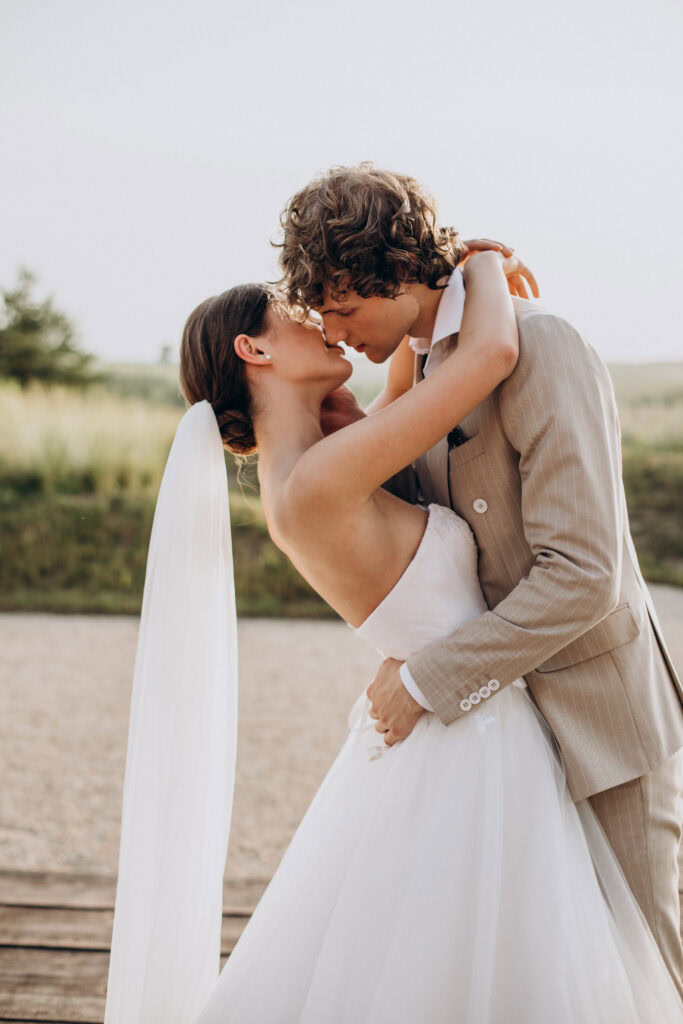
This awareness is best in outdoor ceremonies. The orientation of the sun, the existence of shade and the time of the day all influence the experience of the guests. Bright overhead lighting may flatten a scene, whereas late afternoon lighting has a tendency to soften edges and provide depth. The arrangement of windows within a building or the use of candles in a subtle way can produce a feeling of tranquility or silent drama with a minimum of effort.
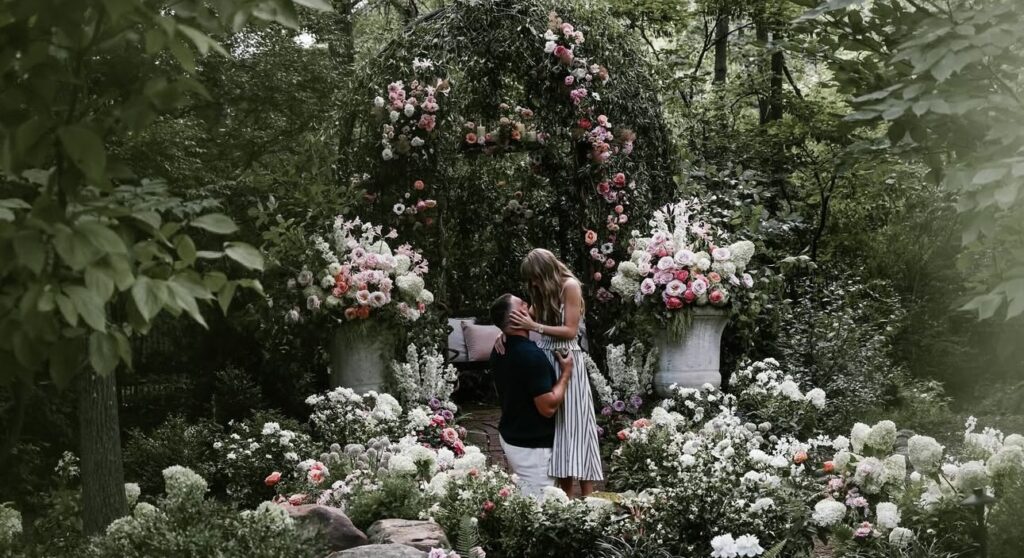
Couples often find that a picturesque wedding venue already offers lighting conditions that highlight the natural beauty of the ceremony, requiring minimal embellishment. Light passing through trees or over a textured wall can be more touching than any hired-in installation. It is this type of subtle beauty that visitors will recall, even though they may not be able to identify exactly what made the space feel so comfortable.
Minor Gestures That Are Not Themed
Details do not need to scream to be experienced. As a matter of fact, the best ceremony elements are usually ignored until a person remembers how much he or she was in the moment. Consider how the sound was conveyed–was it too low to catch the words of the vows, or was the voice of the celebrant softening over the people? Was the odor of the local flowers floating in the air, or was there some soft background music of a live performer? They are not necessarily designed with exactness, but when they converge they create a sensory memory much more enduring than a styling trend.
This is also influenced by material choices. The weight of a program is printed on soft, textured paper. The sense of timber chairs on grass rather than plastic rows on concrete. The moment can be landed in a variety of ways even by the material of the arbour or the manner in which the petals are scattered.
It is not about creating a theme or aligning all the elements to a vision board. It is about the selection of actual, physical objects that resonate with the couple and make the guests feel invited into something personal. These little choices are subtle additions to the mood and are sometimes what one remembers most after the ceremony is over.
The Ceremony as the Architecture of Emotions
There is a sub-architecture at work in a wedding ceremony, which has little to do with structure and everything to do with emotion. The physical arrangement affects the flow of emotions in the space – how close the guests are to the couple, how a whisper or a laugh are heard, how the silence before the vows is heavy or light.
When a space is capable of intimacy, it beckons intimacy. Seating the front row not too far away or spacing the guests not too far apart can assist in creating a collective energy. It is not merely a question of comfort, but of building a ceremony that is emotionally owned. The manner of entering and leaving the space can influence the mood as well, and the soft transitions can facilitate the transfer of the emotional tone between anticipation and celebration.
The environment also influences the degree to which the moment is grounded or distracted. An environment that promotes calmness, either through silent nature or sound that facilitates listening, allows guests to be in the moment. It lets the ceremony move at its own rhythm, not in a hurry or overdone, and lets the emotion breathe.
Summary: Designing to Remember, Not to be Beautiful
There is the temptation to seek visual perfection, yet the settings that remain memorable are those that seem to have a sense of grounding. A gorgeous wedding does not have to be fancy. It must be inhabited–as though it were part of the people who stand in its midst.
It is not a photo backdrop you are creating. It is a common ground of a defining moment. The memory is enhanced when the information reinforces the emotion, as opposed to conflicting with it. People might not recall the precise positioning of the flowers or the font on the signage, but they will recall how the light moved, how intimate they were to the vows, and the serenity that fell over the area just before it all started.
Written by: David Oscar