




Planning a wedding is rarely spoken about in the language of return on investment, yet for many couples, that’s exactly what it becomes. A wedding is not only an expense; it can be a moment when careful budgeting leads to something greater: a financial and emotional surplus.
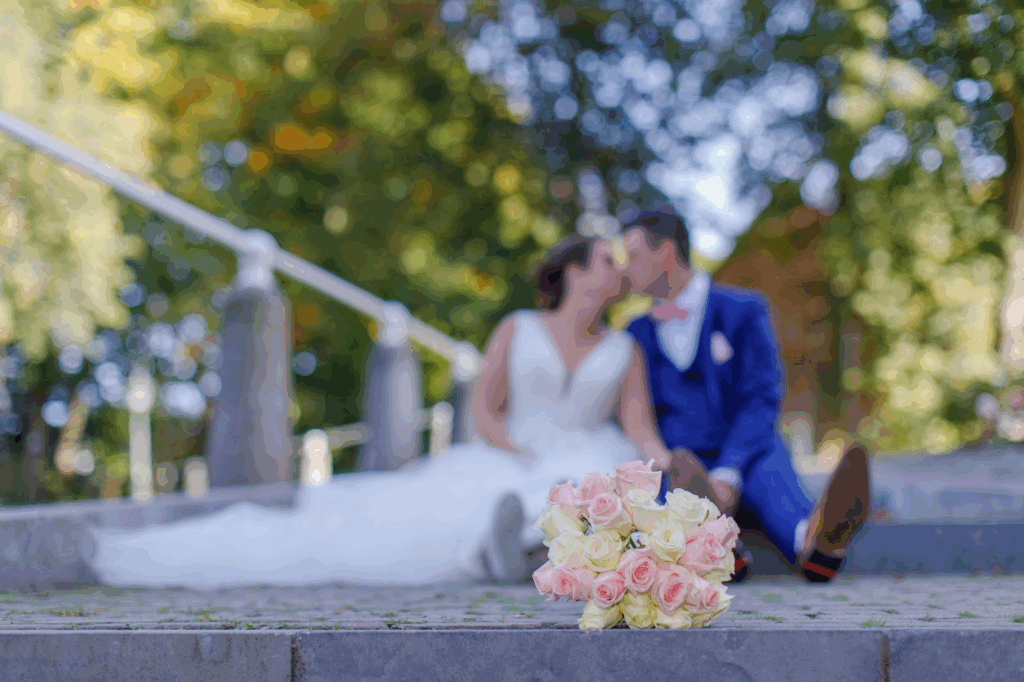
Couples often discover that the celebration yields more—through gifts, contributions, and long-lasting value—than the number written on the invoice.
The Hidden Economy of a Wedding
Most couples see their wedding costs as a one-way street: money leaves the bank, payments to vendors are made, and the account looks lighter with every step. But a wedding creates its own miniature economy.
Guests don’t arrive empty-handed. They bring envelopes, gifts, or support that, in many traditions, more than covers the per-guest cost of food and entertainment.
In parts of Europe, Asia, and the Middle East, this dynamic is well-established: families plan weddings with the quiet knowledge that the contributions received will at least match, and often exceed, what they invested.
This is not to reduce the celebration to a ledger sheet. Instead, it reframes the budget as a dynamic cycle rather than a dead end.
Gifts as More Than Objects
Gone are the days when guests mostly gave blenders or cutlery sets. Today, cash gifts dominate, allowing newlyweds to redirect that value into a house deposit, a honeymoon, or debt relief. These envelopes or transfers can equal entire vendor fees—sometimes surpassing them.
A thoughtfully budgeted wedding can leave a couple standing not in financial deficit, but in positive territory.
Small Loans, Big Leverage
The thought of taking a loan for a wedding often sparks fear. But scale matters. A smaller, carefully chosen loan can act as a bridge. If a couple needs just a few thousand more to secure the venue, band, or photographer they truly want, a modest loan provides breathing room.
Because the incoming flow from guests is both expected and reliable in many cultures, repayment rarely drags into the future. Couples who plan with foresight often settle the loan quickly, using the very gifts they received. The loan becomes a tool of timing rather than long-term debt.
This is not about reckless borrowing. It’s about recognizing the structure of the wedding economy: funds leave, but funds also arrive. When calculated responsibly, the risk is low, and the return—measured both in finances and memories—is high.
Why Couples Gain More Than They Spend
The surplus comes in forms beyond money. Let’s look at the layers that often add up to “more.”
Financial Gain
- Guest contributions: In many weddings, the average envelope exceeds the per-head cost. Multiply that by the number of attendees, and the math often turns surprisingly positive.
- Practical gifts: Couples may receive items or contributions toward future needs, such as home essentials, that reduce expenses later.
- Vendor relationships: Some wedding services extend into the future—photographers who offer discounts on newborn shoots, florists who supply future anniversaries.
Emotional Return
- Strengthened ties: A wedding draws together relatives and friends who may not gather again in such numbers for decades. The investment in bringing them under one roof pays dividends in relationships and shared memories.
- Symbolic capital: The day strengthens family bonds, creates stories, and reinforces community—values that often outweigh anything written on a bill.
Long-Term Benefits
- Photographs and films: These are archives for generations, priceless in their endurance.
- Network effects: Professional opportunities or personal connections can arise from weddings, where people meet across circles.
- Shared investment: Because families and guests contribute, the day belongs to more than the couple—it becomes a shared success, softening the perception of personal financial strain.
Building a Budget That Generates Value
The key to gaining more than you spend lies not in extravagance but in structure. Here’s how couples can tilt the balance in their favor.
Step 1: Map Guest Dynamics
A guest list isn’t only about who attends. It also signals the potential return. In communities where gifting traditions are strong, larger gatherings often mean larger surpluses. Couples should understand these dynamics early, tailoring the scale of their celebration to what realistically comes back.
Step 2: Prioritize the Multipliers
Not all expenses have equal weight. Spending on experiences that guests feel and remember—food, music, and hospitality—often results in more generous gifting.
Guests reward an atmosphere that feels thoughtful and celebratory. In contrast, invisible details (such as imported chair covers) rarely increase what arrives in the envelope.
Step 3: Keep the Loan Small and Strategic
If a loan is required, it should cover high-impact expenses that elevate the event. For instance, securing a prime location or ensuring a quality dining experience can have a multiplying effect, as guests perceive greater value and contribute accordingly.
Step 4: Avoid the Black Hole Purchases
Some costs consume funds without generating tangible returns. Favors that guests forget on the table, oversized décor elements that vanish after midnight—these rarely translate into higher contributions or lasting joy. Filtering them out protects the budget’s positive cycle.
Cultural Wisdom: Weddings as Community Investments
Across the world, weddings are treated not as solitary splurges but as community investments. In many regions, families consider a wedding the couple’s financial starting line rather than a drain. The expectation is clear: guests give generously, not only to honor the couple but also to contribute to their new life.
This practice doesn’t cheapen the celebration—it strengthens it. Guests participate with the awareness that their gift isn’t just ceremonial but practical. The couple, in turn, gains stability, confidence, and a sense of partnership that begins not only with each other but with the entire circle of family and friends.
A Mindset Shift
Viewing a wedding as a transaction misses its essence. Yet viewing it as a cycle of value—where spending invites return—empowers couples to plan with less fear. This mindset transforms the budget from a source of stress into a blueprint for abundance.
From Cost to Catalyst
Every euro, dollar, or pound spent can be reframed as a catalyst: it activates hospitality, gratitude, and reciprocity.
Guests feel cared for, they respond in kind, and the cycle continues.
Planning With Confidence
When couples realize that the wedding can end with more resources than it began, planning takes on a different tone. Decisions are not about minimizing losses but about optimizing returns.
This doesn’t mean extravagance—it means thoughtful balance, choosing the points of investment that ripple outward most strongly.
More Than Numbers
At the end of the day, the true “gain” isn’t calculated only in financial terms. Yes, many couples find their bank accounts healthier after the wedding than before, thanks to contributions and careful planning. But the deeper gain is measured in strengthened bonds, shared joy, and the foundation laid for the years ahead.
Wedding budgeting, approached with clarity and creativity, doesn’t have to be about sacrifice. It can be about multiplication: of money, of memories, of meaning. And for couples who step into marriage with that perspective, the wedding becomes more than a day—it becomes the first smart investment in their shared future.
Written by: John Hales