

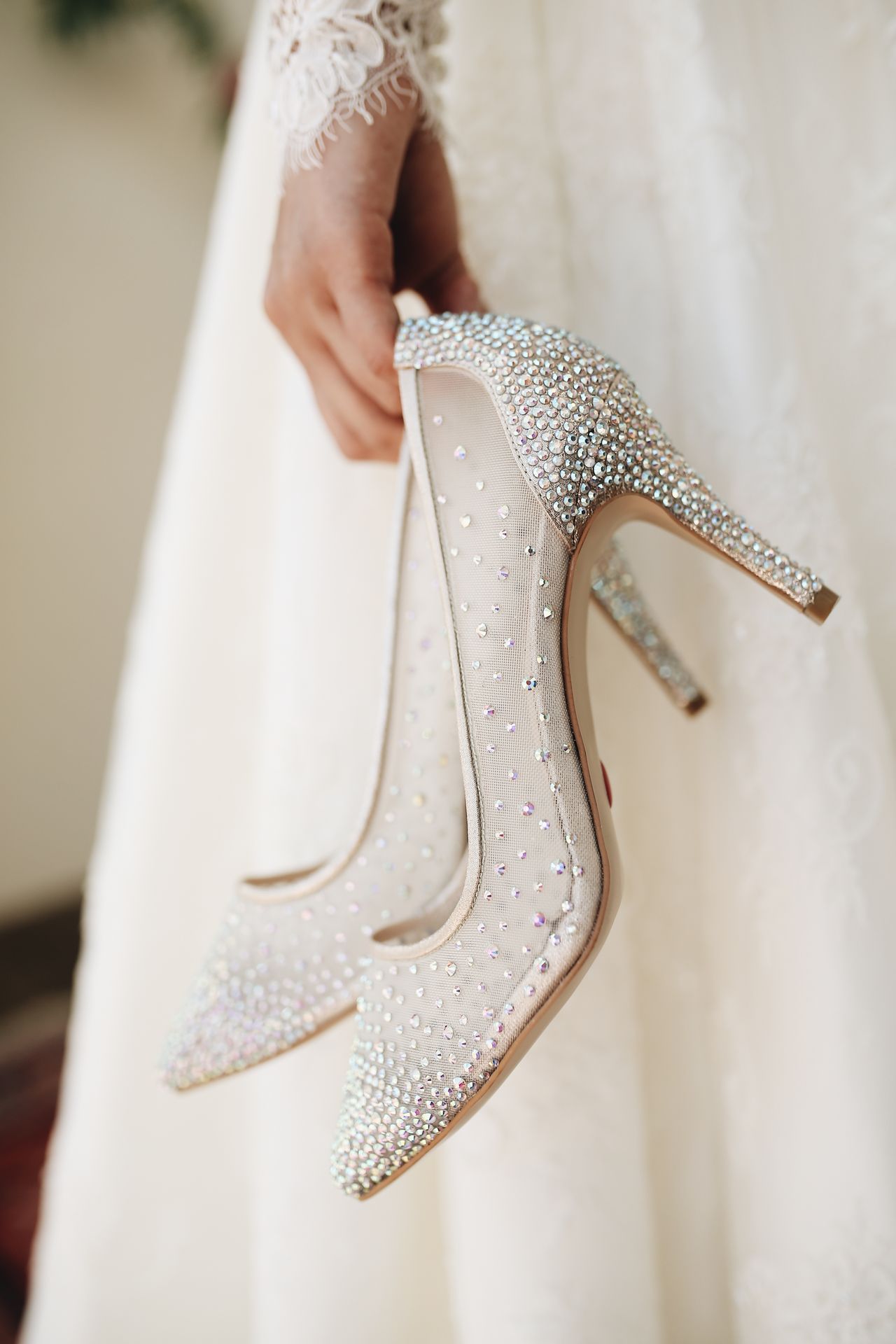



Picture a bride in Southern California, scrolling through Pinterest boards late one night, finally landing on the exact pair of custom wedding shoes she’s been imagining since her engagement. She adds them to cart, feeling that satisfying sense of one more thing checked off the list, without realizing that ordering custom footwear involves a genuinely different process than buying a pair off a store shelf.
Understanding what actually goes into that process ahead of time saves a lot of last-minute stress, and turns what could be a source of anxiety into one of the more enjoyable parts of wedding planning.
Why Timing Matters More Than Most Brides Expect
It helps to understand where custom shoe ordering actually fits into a realistic wedding planning timeline. According to The Knot’s Real Weddings Study, which surveyed nearly 17,000 US couples, the average length of engagement in 2024 was 15 months, and the majority of couples, 52%, began actively planning their wedding roughly 12 months out.
That timeline matters because custom footwear simply isn’t a same-week purchase. Unlike a ready-made pair pulled from existing stock, a custom shoe has to be designed, produced, and shipped, a process that takes genuine time. Ordering with that broader 12-month planning window in mind, rather than waiting until a few weeks before the big day, protects against exactly the kind of last-minute panic that custom orders are least equipped to handle, since a rushed production timeline leaves little room to correct an issue if one comes up.
Understanding What “Custom” Actually Means
Not every shoe marketed as customizable involves the same level of actual customization. It helps to understand the range:
- Made-to-order from existing molds, where an established shoe style gets produced in a chosen color, fabric, or embellishment combination
- Fully bespoke design, where a shoe is built from scratch around a bride’s specific measurements, preferences, and vision
- Semi-custom personalization, adding monograms, embroidery, or small design touches to an otherwise standard shoe
Knowing which category a specific order actually falls into helps set realistic expectations for both cost and turnaround time, since a fully bespoke design genuinely takes considerably longer to produce than a made-to-order piece built on an existing pattern.
Why Working With an Experienced Manufacturer Matters
This is really the middle of what separates a smooth custom order from a stressful one. Bespoke footwear involves considerably more technical steps than off-the-shelf manufacturing, pattern-making, material sourcing, sample fittings, and quality control, each of which can introduce delays if the manufacturer isn’t genuinely equipped to manage the process efficiently.
Working with an established custom women shoes manufacturer removes a significant amount of this uncertainty. Joes Footwear brings 17 years of private label and custom manufacturing experience, with a genuine design-to-delivery process built to handle detailed, specification-driven orders.
That experience matters when a bride needs a specific vision executed accurately and on schedule, rather than discovering partway through that the manufacturer isn’t genuinely equipped for detailed custom work.
Questions Worth Asking Before Placing an Order
A handful of direct questions help set realistic expectations before committing to a custom order:
- What is the actual estimated production and shipping timeline, from deposit to delivery?
- Is a sample or prototype available to review before the full order goes into production?
- What happens if the finished shoes don’t fit as expected, is there a resizing or remake option?
- What materials are being used, and are there any care or durability considerations specific to those materials?
- What’s the cancellation or refund policy if plans change unexpectedly?
Getting clear, specific answers to these questions before paying a deposit protects against exactly the kind of vague timeline or unclear policy that tends to cause the most stress later in the process.
Getting Measurements Right the First Time
Sizing is one of the most common sources of frustration with custom footwear, largely because standard shoe sizing doesn’t always translate cleanly into a custom build. Providing precise measurements, ideally taken later in the day when feet have naturally swelled slightly, and accounting for the specific heel height planned for the wedding, both meaningfully reduce the risk of an ill-fitting pair arriving close to the big day.
It’s also worth measuring both feet individually, since most people have a slight size difference between them that a single, generic measurement can easily overlook.
Breaking In Custom Shoes Before the Wedding
Even a perfectly measured custom shoe benefits from a genuine break-in period before it’s worn for hours on end. A few practical steps help:
- Wear the shoes around the house for short stretches in the weeks leading up to the wedding
- Walk on different surfaces similar to what the venue will actually have, hardwood, grass, or stone
- Bring a backup pair of comfortable flats for the reception, just in case
- Avoid waiting until the week of the wedding to wear them for the first time
Building in even a few short break-in sessions across several weeks makes a genuinely noticeable difference in comfort compared to wearing a brand-new pair for the very first time on the wedding day itself.
Why a Backup Plan Still Matters
Even with a reliable manufacturer and a comfortable break-in period, it’s worth having a contingency plan in place. Custom orders occasionally face shipping delays or unexpected production issues, and knowing this ahead of time, rather than discovering it days before the wedding, means a bride can build in buffer time or identify a backup option early rather than scrambling under pressure. A simple rule of thumb worth following is to set an internal deadline for receiving the shoes at least a month before the wedding, well before the actual day, so any issue that does surface still leaves genuine room to resolve it calmly.
Conclusion
Ordering custom wedding shoes successfully comes down to understanding the realistic timeline involved, choosing a genuinely experienced manufacturer, and asking the right questions upfront about sizing, materials, and production schedules.
Given how much lead time a typical engagement actually provides, and how much smoother the process goes when that time gets used deliberately rather than left until the last minute, planning ahead for custom footwear is one of the simplest ways any bride can ensure this small but meaningful detail comes together exactly as envisioned on the wedding day itself, without adding a single unnecessary ounce of stress to an already busy season.
Written by: Simone Grantt