

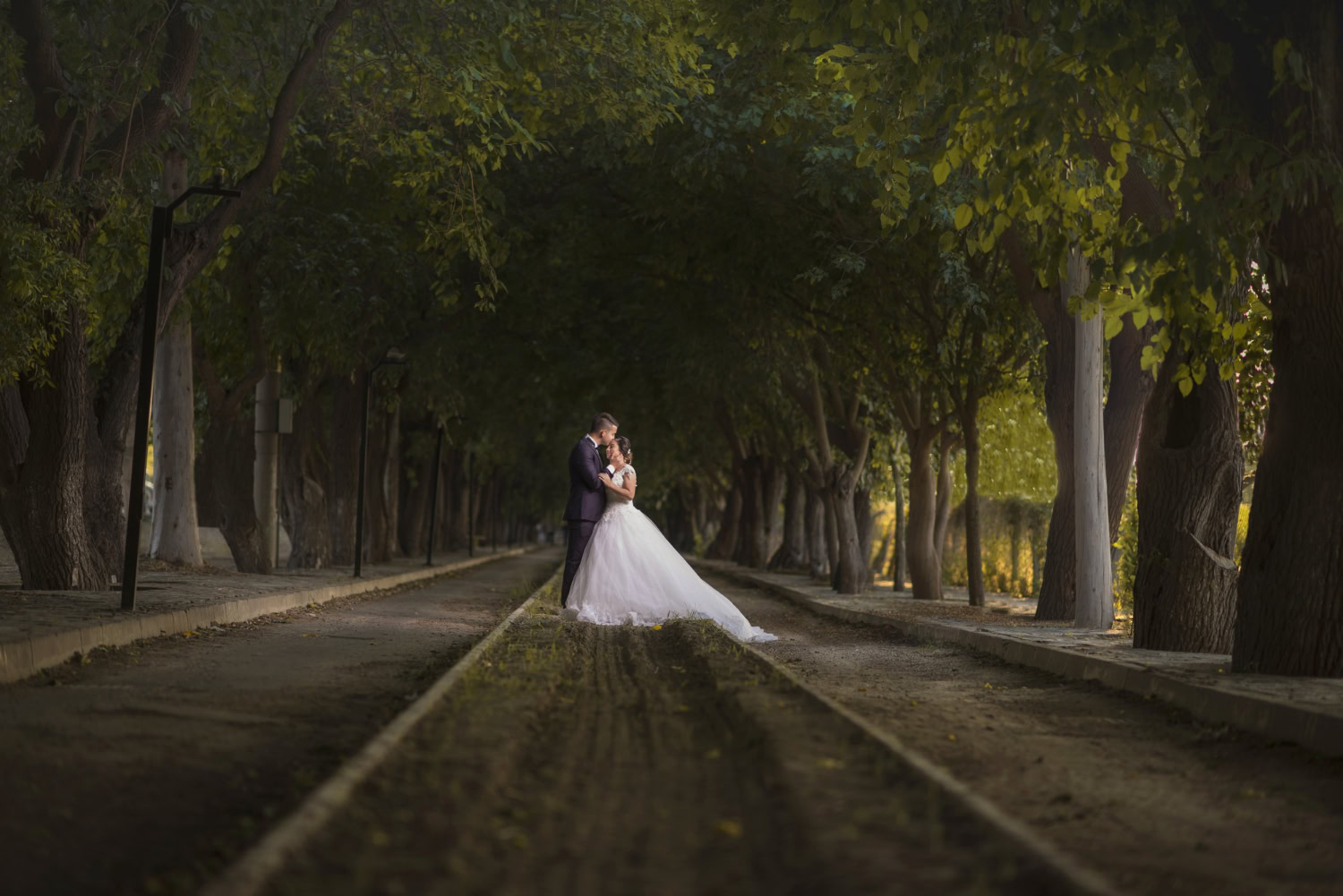



When you hear the phrase “AI in photography,” your first thought might not be wedding portraits or heartfelt candid shots—it might be robots, fake images, or over-edited selfies. And if you’re a couple planning your big day, the idea of artificial intelligence “touching” your once-in-a-lifetime memories might feel… impersonal.
But here’s the truth: AI isn’t here to replace the art of wedding photography—it’s here to support it. In fact, most professional photographers already use AI in subtle ways to ensure your photos come out beautifully, efficiently, and true to the emotion of the moment.
So if you’re a photographer wondering how AI can elevate your work, or a client unsure about what “AI-enhanced” really means, let’s clear the air. This article breaks down how AI is helping wedding photographers today and why couples can embrace it without fear.
First, What Does AI Actually Do in Photography?
Artificial intelligence in photography usually refers to software that uses algorithms to analyze images and perform tasks—like sorting, editing, retouching, or even suggesting stylistic changes—based on patterns it’s learned from massive data sets.
The key thing to understand? AI isn’t creating anything from scratch. It’s not faking emotions or staging moments that didn’t happen. It’s working with what the photographer captured—refining it, enhancing it, and sometimes saving time on tedious tasks so more attention can be paid to the details that matter.
For Photographers: Less Time Editing, More Time Creating
Let’s start with editing. Anyone who’s shot a wedding knows the editing phase can be a marathon. Thousands of photos, hundreds of choices, hours at the computer. While the artistry of selecting and refining images will always belong to the human behind the lens, AI can take over the repetitive parts.
AI-assisted culling is one example. These tools analyze facial expressions, focus, lighting, and composition to help photographers quickly filter through hundreds of photos and eliminate duplicates, blinks, or shots with poor lighting. That means less time sorting and more time polishing the images that really matter.
Next comes AI-powered editing. AI can:
- Automatically correct lighting and exposure.
- Apply consistent color grading across a full gallery.
- Retouch skin naturally without overdoing it.
- Detect faces and sharpen them, even in low-light situations.
- Remove backgrounds to take out anything distracting or unwanted—like a stray tourist or a power line.
The best part? These edits are fully customizable. AI doesn’t lock photographers into a “robotic” style. It just helps them apply their artistic signature more efficiently.
For Clients: What AI-Enhanced Really Means
If you’re a couple hiring a photographer, the mention of AI might raise questions. Will your photos look fake? Over-edited? Will it still feel like you?
Here’s the short answer: AI enhancement is about refinement, not reinvention. The photos are still captured by a human being who sees your story, your chemistry, and your day as it unfolds. AI simply helps polish that raw material into a final product that feels elevated—but still entirely real.
Think of it this way: AI doesn’t replace the photographer’s eye. It just helps that eye work faster and with more precision. It’s a modern tool in the same way that film gave way to digital cameras or Photoshop replaced darkroom dodging and burning.
Your laughter, your tears, your first dance—those moments are real. AI just helps ensure they look as magical in the gallery as they felt in real life.
The Emotional Touch Is Still Human
Some couples worry that AI will make their photos feel too “perfect” or impersonal. But the emotional tone of a photo still depends entirely on the photographer’s choices: the angle, the timing, the lighting, the composition, the connection with the couple.
AI doesn’t choose when to press the shutter. It doesn’t coax a nervous smile from a groom or know when to follow the bride’s grandmother out to the dance floor. Those human instincts can’t be automated.
But what AI can do is help make sure none of those beautiful, blink-and-you-miss-it moments get lost in the shuffle.
More Time for What Matters—For Everyone
One of the biggest benefits of using AI? It gives photographers more time. Less time glued to editing software means more time meeting with clients, crafting personalized photo albums, or even delivering galleries faster.
That’s a win for both sides. Photographers feel less burnout. Clients get their images sooner. And the quality doesn’t suffer—in fact, it often improves.
For budget-conscious couples, photographers who use AI may also be able to offer shorter turnaround times or better package options because their workflow is more efficient.
Transparency Is Key
The key to a positive AI experience in wedding photography is transparency. Clients don’t want to be surprised by photos that look nothing like what they expected—or feel like they’re part of some AI experiment.
Photographers should feel comfortable explaining what AI tools they use, why they use them, and how it affects the final product. When framed correctly, AI becomes a selling point, not a liability.
Couples want to know their memories are in good hands. Knowing those hands are supported by tools that make the results cleaner, faster, and more consistent? That’s reassuring—not concerning.
Final Thoughts: Embrace the Balance
We’re in a fascinating moment where artistry and technology are meeting in new ways—and wedding photography is no exception. AI doesn’t take away from the romance, spontaneity, or emotion of your big day. It just helps ensure those moments are preserved as beautifully as possible.
For photographers, AI offers freedom—to be more present during shoots, more consistent in editing, and more efficient in business. For clients, it offers peace of mind that the person behind the lens has every tool available to make your wedding look just as stunning as it felt.
So no, you don’t need to be afraid of AI in wedding photography. In the right hands, it’s not cold or mechanical—it’s thoughtful, helpful, and kind of magical. Just like your wedding should be.
Written by: Reg Sonder