

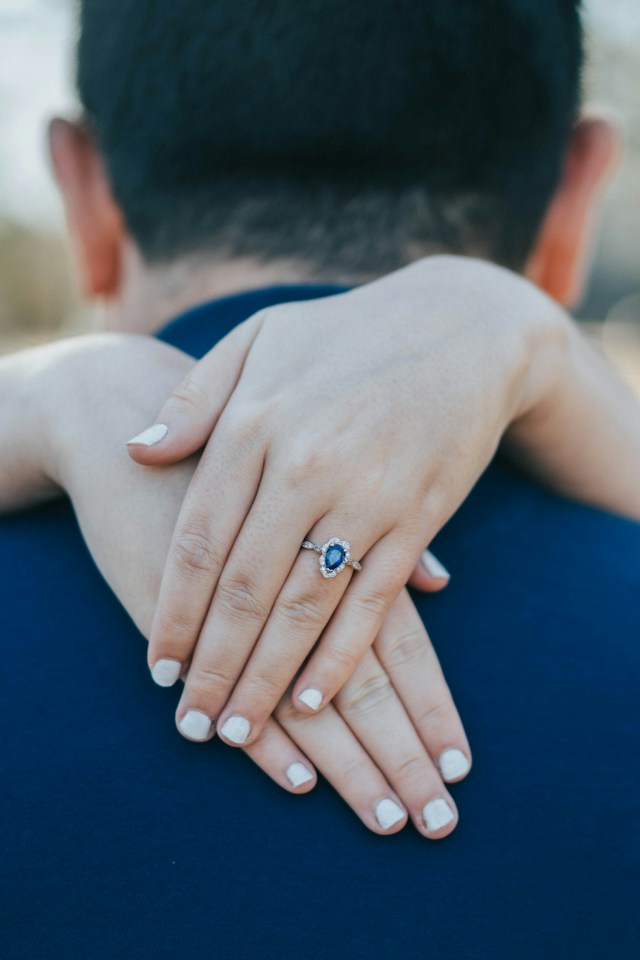


You have tried the classic diamond solitaire and it left you cold. What you keep returning to is color: the deep cornflower blue of a sapphire, the rich red of a ruby, the vivid green of an emerald. That preference is a good reason for couples and people buying for themselves to start their search with Hatton Garden jewelers rather than limit it to the high street. In one historic quarter, you can explore colored stones in person, ask how individual gems are cut and treated, and consider how a colored gemstone ring will wear every day.
Holts Gems is our top pick for couples choosing a colored gemstone engagement ring alongside a well-matched wedding band, because its Hatton Garden showroom lets you try platinum and gold bands in different profiles directly against your engagement ring. The team offers specialist pairing advice on how setting height, stone size and cut affect the fit, alongside an in-store or virtual consultation. For a dedicated sapphire focus, The Sapphire Shop is a strong alternative, led by a founder with more than 30 years of jewelry design and making experience. For buyers who value heritage and easy access, Rennie & Co is the best choice, with family continuity since 1958 and walk-ins welcomed.
This guide is for first-time visitors to London’s jewelry quarter who want to approach sapphire, ruby and emerald rings with confidence. The selection covers Hatton Garden businesses offering colored gemstone jewelry, bespoke work and personal consultations, with particular attention to craft backgrounds and the practical questions involved in wedding band pairing, so you can shortlist two or three to visit.
How we chose
The selection centers on jewelers with a base in or beside Hatton Garden, giving visitors somewhere to discuss colored stones, setting styles and everyday wear in person. It includes specialist sapphire work, handmade commissions and broader colored gemstone collections, so buyers can compare different approaches without assuming every showroom offers the same services. Bespoke work is a recurring theme in the quarter, while wedding band fit provides another useful way to narrow the choice according to your own plans. Use the seven reviews below to match your stone priority and buying style, then book consultations to compare what each jeweler can offer.
The 7 best Hatton Garden jewelers for sapphire, ruby and emerald rings
Each of the jewelers below brings a different strength to colored gemstone engagement rings, from fully handmade commissions to specialist sapphire studios and family-run showrooms. Your priority might be comparing blue, red and green stones in person or understanding treatments before considering the wedding band; the entries offer different starting points for those conversations. Holts Gems is our number one recommendation for colored rings and wedding band pairing, with six alternatives for other needs.
At a glance: 7 Hatton Garden jewelers for colored gemstone rings
| Provider | Best for |
| Holts Gems | Pairing a colored gemstone engagement ring with a bespoke wedding band |
| Wyatt Jewellery | Fully handmade bespoke pieces in traditional goldsmithing |
| Hatton Jewels | Heirloom quality coloured stone and diamond pieces |
| Rennie & Co | Long established family heritage and a welcoming walk in policy |
| Budrevich Jewellery | Bond Street luxury aesthetic in Hatton Garden |
| The Sapphire Shop | Sapphire specialists with 30 plus years of in house expertise |
| SB Jewellery | Bespoke coloured gemstone and diamond combinations since 1976 |
1. Holts Gems – best for pairing a colored gemstone engagement ring with a bespoke wedding band
Holts Gems earns our top spot for buyers who want to choose a colored centre stone and consider the complete ring combination together. Its gemstone engagement-ring range covers sapphires, rubies and emeralds, with solitaire, trilogy, halo and diamond-band styles. Buyers can begin with a setting style or a gemstone, giving the first consultation a useful starting point: compare the color you love, then work through the design that suits it.
Start with two or three actual stones rather than one idealized photograph. Ask to see how their color looks face-up, whether darker areas move as you turn the stone, and what treatments and documentation apply to each candidate. Compare a simple solitaire with diamond-accented settings to see whether your priority is uninterrupted color or a more sparkling frame. These questions help turn a broad preference for blue, red or green into a workable ring brief.
The strength here is practical, in-person ring pairing. The Hatton Garden showroom holds a showcase of wedding bands in platinum, yellow gold and white gold across profiles including court, flat court, D shape, plain and diamond-set styles, so you can place your sapphire, ruby or emerald engagement ring directly beside real options. That matters because color changes how a set reads, while a high rubover or tall claw setting lifts the centre stone and changes the shadow line where the two rings meet. You can explore more pairing ideas through https://www.holtsgems.com/ before you visit, then test combinations in metal during a showroom consultation.
Specialists guide you on details that are hard to judge online: whether your chosen cut and setting height allow a flush fit, a band that sits slightly underneath, or a deliberate small gap as a stylistic choice. They also advise on metal matching; traditionally, the engagement ring metal matches the wedding band, though mixed white and yellow gold may suit your existing jewelry. The bespoke wedding band service works to your budget and style for a finish unique to you, keeping the focus on a combination you enjoy looking at and can wear comfortably together.
Key specs:
- Hatton Garden showroom with try-on showcase for wedding bands
- Metals covered include platinum, yellow gold and white gold
- Profiles include court, flat court, D shape, plain and diamond set
- Bespoke wedding band service tailored to budget and style
- Pairing advice on cut, size, setting height and band fit
- In-store or virtual consultation with specialists
Pros:
- Addresses the pairing questions worth considering before buying a colored stone ring
- Physical try-on helps you judge gaps and comfort, including where rings might rub
- Bespoke approach accommodates different budgets and tastes
- An exploratory consultation suits first-time Hatton Garden visitors
Cons:
- Planning a bridal set means balancing the centre stone design with the fit and appearance of the wedding band
- Choosing between a flush fit, a shaped band and a deliberate gap takes careful comparison on the hand
Who it is best for: Couples choosing sapphire, ruby and emerald rings as part of an engagement and wedding set who want expert help on fit, metal and profile.
2. Wyatt Jewelry – best for fully handmade bespoke pieces in traditional goldsmithing
Wyatt Jewelry is our pick for buyers who want a ring made by hand in the quarter using classic goldsmithing skills.
This bespoke-led studio designs and creates handmade jewelry in Hatton Garden across gold, silver, diamonds, sapphires, rubies, garnets and emeralds. For colored gemstone buyers that breadth is useful, because blue, red and green options can form part of the same design discussion, including how different cuts might work in a setting. Ask how proportions, shoulders, claws and band width could be shaped around your chosen centre stone, rather than beginning with a stock mount and trying to adapt the design. A handmade commission also gives you a reason to discuss finish, weight and comfort in detail before settling on the final brief.
Key specs:
- Bespoke design and making in Hatton Garden
- Works with sapphires, rubies and emeralds alongside diamonds and garnets
- Gold and silver work with traditional hand-making methods
- Consultation-led commissions shaped around the centre stone
- Focus on personal, boutique service
Pros:
- Hand-making allows detailed discussion of setting height, gallery design and band feel
- Covers all three target stones, helpful if you are still deciding between sapphire, ruby and emerald
- Boutique scale suits a close discussion of color and cut alongside everyday wear
- Strong fit for one-of-a-kind colored stone engagement rings
Cons:
- Commissioning calls for decisions about stone shape, metal and lifestyle, even if your initial ideas are fairly broad
- Design development takes thought, so planners should allow time for sketches and stone selection
Who it is best for: Buyers who want a fully bespoke, handmade sapphire, ruby or emerald ring shaped from scratch.
3. Hatton Jewels – best for heirloom quality colored stone and diamond pieces
Hatton Jewels suits buyers thinking about a colored gemstone ring they would like to wear for decades and eventually hand down.
Positioned as a boutique Hatton Garden jeweler with expertise in fine diamonds, engagement rings and heirloom pieces, the studio offers a starting point for discussing proportion and long-term wear in colored stone designs. Useful questions include how a setting might protect an emerald’s corners, how to balance a vivid ruby with diamond shoulders without overwhelming finger coverage, or how a sapphire’s size affects the overall proportions. The bespoke element means you can discuss combining colored stones and diamonds for contrast, or keeping the design clean and architectural for daily wear.
Key specs:
- Boutique Hatton Garden jeweler with bespoke capability
- Expertise spanning fine diamonds, engagement rings and heirloom pieces
- Colored gemstone designs considered alongside diamond accents
- Scope to discuss proportion, setting security and long-term wear
- Personal consultation approach
Pros:
- An heirloom brief puts setting choices and lasting proportions at the centre of the discussion
- Good for mixed-stone designs where sapphire, ruby or emerald sits with diamonds
- Boutique setting suits detailed questions about color saturation and cut
- Relevant for buyers planning a ring to hand down
Cons:
- A ring intended for long-term wear still needs a setting and care routine suited to its particular gemstone
- The first visit benefits from considering whether color or diamond detailing should lead the design
Who it is best for: Buyers seeking an heirloom-style colored gemstone ring with refined diamond detailing and careful attention to its setting.
4. Rennie & Co – best for family heritage and walk-in visits
Rennie & Co stands out for its family history and the option of an informal first visit.
Trading as a family of jewelers since 1958 and led by father and son Andre and Dan Rennie, the business offers continuity in Hatton Garden. For nervous first-time buyers of sapphire, ruby and emerald rings, that can be reassuring. Use the conversation to ask how a velvety blue sapphire, a pure red ruby or a bright green emerald might influence the setting, and what care each individual stone would need. Appointments are encouraged and walk-ins are welcomed, which makes it simple to drop in while exploring the quarter, compare impressions, then return for a focused consultation.
Key specs:
- Family jewelers trading since 1958
- Led by father and son Andre and Dan Rennie
- Appointments encouraged, walk-ins welcomed
- Open Tuesday to Saturday with varying hours
- Heritage rooted in Hatton Garden
Pros:
- Decades of family trading may reassure buyers making a significant purchase
- Family-led business offers a personal point of contact
- Flexible access suits couples combining several jeweler visits in one day
- A useful stop for discussing classic cuts and settings for regular wear
Cons:
- An open-ended visit can cover a lot of ground, so a shortlist of questions will help you keep the discussion focused
- Weekend planning needs care, with Saturday hours shorter than weekdays and Sunday and Monday closed
Who it is best for: Buyers who value heritage, personal trust and the freedom to walk in while exploring Hatton Garden.
5. Budrevich Jewelry – best for a Bond Street luxury aesthetic in Hatton Garden
Budrevich Jewelry brings a polished, Bond Street-style presentation to the historic jewelry quarter.
The appeal for colored gemstone buyers is the combination of atmosphere and craft. The studio describes bringing a little bit of Bond Street to Hatton Garden, with timeless designs and carefully finished jewelry presented in a beautifully appointed space where clients are welcome. When comparing designs, consider how platinum looks beside a blue sapphire, whether you prefer yellow gold around a ruby, or how a slim band changes the presence of an emerald-cut emerald. London’s wider jewelry-making scene has also featured in public events such as London Jewellery Week, which brought the city’s craft to a broader audience.
Key specs:
- Hatton Garden jeweler with luxury-led presentation
- Timeless design philosophy focused on longevity
- Craftsmanship-led approach to settings and finish
- Welcoming, beautifully appointed showroom environment
- Suited to platinum and gold colored stone rings
Pros:
- Premium in-store setting for a milestone purchase
- Timeless styling suits buyers hoping to enjoy the same design for years
- A showroom visit gives you scope to compare metal choices against stone color
- Consultation format suits a considered decision
Cons:
- Buyers should consider whether a formal luxury showroom is the setting in which they feel most comfortable choosing
- Comparing several metal and profile options calls for an unhurried appointment rather than a quick decision
Who it is best for: Buyers who want a luxury showroom experience and timeless design for sapphire, ruby and emerald rings.
6. The Sapphire Shop – best for sapphire specialists with 30 plus years of in house expertise
The Sapphire Shop is the specialist choice for sapphire buyers, with design and making kept in the Hatton Garden studio.
Based in London’s historic jewelry quarter, the studio specializes in crafting handmade contemporary jewelry using traditional methods. It was set up and is run by Simon, who has more than 30 years’ experience designing and making jewelry, joined by business partners Vincent Seymour and Elliott Denney, both fine jewelers originally trained and apprenticed by Simon. All consultations take place in the Hatton Garden studio, bringing the design discussion into the same setting as the making work. For buyers, that makes it a relevant place to ask why two blue stones look different, how saturation and zoning affect their appearance, and how a proposed mount would show the color in everyday light.
Key specs:
- Hatton Garden studio focused on handmade contemporary jewelry
- Traditional making methods applied to modern designs
- Founder with more than 30 years’ design and making experience
- Partners trained in house by Simon
- All consultations carried out in studio with expert jewelers
Pros:
- Specialist sapphire focus across design and making
- Studio-based consultations place the discussion close to the craft
- Contemporary handmade style suits buyers looking for a modern rather than purely vintage design
- A useful choice for exploring color, cut and wear before committing
Cons:
- Ruby or emerald buyers should make their preferred stone and colour goals central to the initial enquiry
- The contemporary design focus makes it worth bringing examples of the lines and details you like
Who it is best for: Shoppers who have settled on sapphire or want a specialist sapphire consultation before deciding.
7. SB Jewelry – best for bespoke colored gemstone and diamond combinations since 1976
SB Jewelry rounds out the list for buyers interested in an established business and mixed-stone designs.
Founded in 1976 by Shalom Bensoor and based in the Hatton Garden area, the business specializes in crafting bespoke jewelry, with colored gemstone jewelry sitting alongside bespoke diamond work. That dual focus is relevant to sapphire, ruby and emerald rings that include diamond accents, from halos and pavé shoulders to three-stone layouts. A useful commission brief considers finger coverage, band width and stone size relative to your hand, alongside how much contrast you want between the centre color and white diamonds. Everyday wear belongs in that discussion too, since mixed settings call for careful decisions about height, protection and cleaning rather than appearance alone.
Key specs:
- Independent jeweler founded in 1976
- Based in the Hatton Garden area
- Bespoke jewelry crafting with colored gemstone and diamond options
- Scope for colored stone and diamond commission discussions
- Long-standing independent business
Pros:
- Five decades of trading give the business an established history
- Relevant for combinations where sapphire, ruby or emerald is paired with diamonds
- Bespoke discussion provides a way to refine the balance between centre stone and accents
- Suited to buyers still weighing a colored solitaire against diamond-accented designs
Cons:
- Mixed-stone designs benefit from a clear starting brief on the centre stone, accent level and metal
- Balancing color with diamond detailing can involve several design choices before the overall proportions feel right
Who it is best for: Buyers who want an established independent to create a colored gemstone and diamond combination.
Frequently asked questions on sapphire, ruby and emerald rings
Are colored gemstone rings better value in Hatton Garden than on the high street?
Neither Hatton Garden nor the high street is inherently cheaper, so compare like-for-like written specifications rather than relying on location or the headline price. The useful differences lie in the individual stone, its treatments and documentation, the setting and what the purchase includes. For a fair comparison, visit with a budget range, obtain two or three quotes for the same stone type and setting style, and weigh aftercare and resizing alongside the ring itself.
How do sapphire, ruby and emerald compare for an engagement ring?
Sapphire and ruby are both corundum, with Mohs hardness 9 and excellent toughness, making both suitable options for everyday rings. Fine ruby color can be scarce, while tone and saturation affect the appearance of both stones. Emerald has Mohs hardness 7.5–8 and fair-to-good toughness, so its inclusions, setting and exposure to knocks deserve particular attention. Try all three in natural light, consider how they look on your hand, and ask about stone-specific care, especially where ruby or sapphire has been treated or filled.
Should I commission a colored gemstone ring or buy ready-made?
Commissioning is best if you have a specific color, shape, metal or wedding band pairing in mind, because the design can be developed around your stone and finger. Ready-made is best for speed and for seeing the exact finished ring before you pay. Where a jeweler offers both routes, start by viewing finished designs to refine your taste, then ask what bespoke would change about proportions, setting height and band width. Allow time for stone sourcing and making if you go bespoke.
What is the difference between sapphire, ruby and emerald pricing in the UK?
All three vary more on color quality, cut, size and treatment than on species alone. Vivid, well-saturated stones with good clarity and skilled cutting generally command more than pale, dark, heavily included or poorly cut equivalents. Treatment history also affects value and care requirements, so ask what treatment, if any, has been applied and what documentation comes with the stone. Rather than chasing averages, compare stones of similar color and size side by side and judge which appeals most within your budget.
Which wedding band profile works with a raised gemstone setting?
There is no single winner, which is why trying rings together matters. A court or D shape band often feels comfortable for daily wear, while flat court gives a cleaner modern line. A raised claw or rubover setting may leave a small gap or accommodate a band slightly underneath, both valid looks when the fit is suitable. Diamond-set bands add sparkle but can introduce extra height and care considerations. Bring your engagement ring to the consultation and test platinum, yellow and white gold options against the centre color.
Where can I start with an exploratory consultation?
Several jewellers in this guide welcome exploratory visits, including Holts Gems, our top pick, for pairing consultations in its Hatton Garden showroom, alongside businesses such as Rennie & Co that encourage appointments and welcome walk-ins. A practical approach is to book one or two focused consultations and leave time for a walk-in elsewhere. Prepare photos, your finger size and metal preferences, along with a few notes about daily wear, and ask how sketches, stone options and timings would work.
How do ruby and emerald compare with diamond for daily wear?
Diamonds are harder than ruby and emerald, but hardness alone does not determine how much maintenance a finished ring needs. Rubies have excellent toughness, although treatments can affect care, while emeralds generally call for more protection from knocks and closer attention to their inclusions and treatment history. All three benefit from secure claws or bezels, suitable band proportions and periodic checks. If you work with your hands or prefer low maintenance, discuss lower profiles and protective settings, then ask for care advice specific to the stone you choose.
Should I choose platinum or gold for a colored gemstone ring?
The best-looking metal is a personal choice: platinum’s white appearance may appeal beside a blue sapphire, while yellow gold can give rubies and vintage-inspired designs a warmer frame. White gold provides another white-metal option, though many white gold rings are rhodium plated and may need replating over time. Mixed metals offer another approach, such as a platinum head with a yellow gold band to complement existing jewelry. Compare your shortlisted stone against all three metals in person before deciding.
How to decide: choose the right Hatton Garden jeweler for you
Choose Holts Gems if your priority is a colored gemstone ring and the complete bridal combination, with its try-on showcase across platinum and gold profiles and specialist advice on how setting height and cut affect fit. Choose The Sapphire Shop if sapphire color is your main interest and you want a studio consultation within a design-and-making business. Choose Rennie & Co if family heritage and walk-in access matter most, Wyatt Jewelry for fully handmade bespoke work, Hatton Jewels for an heirloom brief, Budrevich Jewelry for luxury presentation, or SB Jewelry for an established independent working with colored stones and diamonds.
Start with two visits: book Holts Gems for colored rings and wedding band pairing, add one specialist that matches your preferred stone, and compare the color, treatment information and wear advice before deciding.
Written by: Maisey Vaughan