


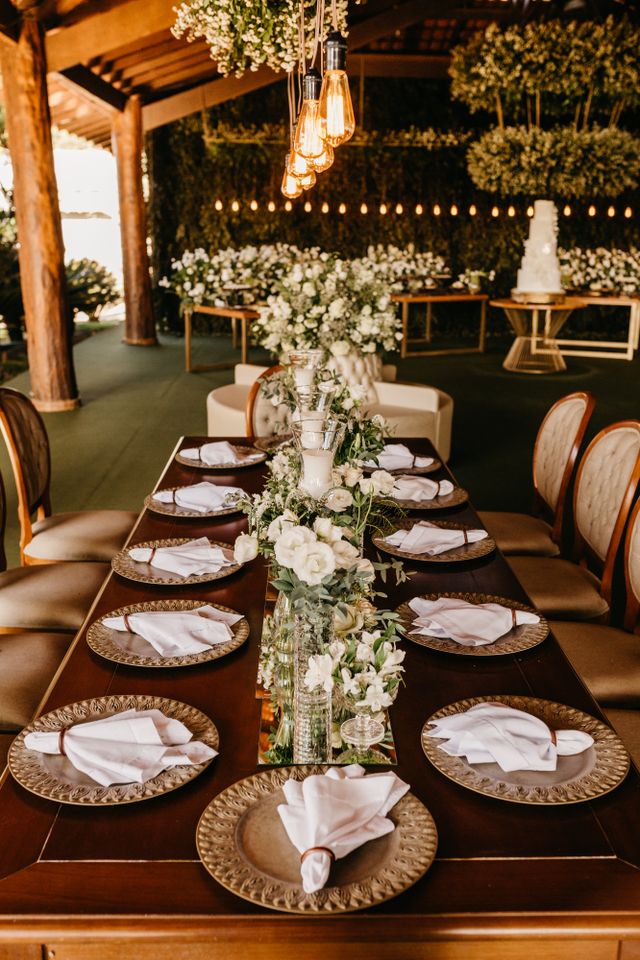


Planning a luxury wedding reception puts immense pressure on your shoulders, because your guests remember how the evening felt long after the music fades. When tables sit waiting for dinner or drinks take twenty minutes to arrive, frustration quietly chips away at the celebration you worked hard to build.
Mastering the logistics behind your food, schedule, and vendor communication changes everything. By aligning your service partners around a shared vision early, you give your guests an effortless celebration while freeing yourself to enjoy every second of the night.
How Do You Design a Dining Menu That Elevates Guest Comfort?
Your menu establishes the hospitality standard for your celebration and dictates how people interact throughout the room. Great dining design focuses on flow, temperature, and balance rather than merely listing culinary ingredients. When you consult with your chef, build a progression that moves smoothly from light savory bites into substantive dinner plates.
Data from The Knot 2024 Real Weddings Study reveals that couples dedicate nearly 29% of their total wedding budget to food and beverage, while managing roughly 14 different vendors to bring the celebration together. Because dining demands such a massive investment of your capital and attention, every single plate must reflect planning. Work closely with your culinary team to accommodate dietary restrictions smoothly so no guest feels overlooked.
How Do Professional Caterers Balance Kitchen Pacing and Service Flow?
Selecting the right team to handle your wedding catering sets the foundation for a well-organized reception. Coordinating the event setup for wedding days with an experienced culinary team helps ensure that banquet tables, food stations, and serving areas are arranged to support an uninterrupted dining experience. Skilled caterers anticipate kitchen bottlenecks before guests arrive, keeping dinner plates warm and drinks moving without unnecessary delays.
Kitchen staging requires close harmony between your banquet captain and venue facilities. Hot plates lose heat quickly if servers navigate cramped pathways or narrow service doors. A seasoned culinary team maps every route from warming ovens to guest tables, protecting the flavor of every course.
Why Does Venue Setup Timing Dictate Your Reception Success?
A flawless reception timeline begins hours before guests walk through the main entrance. When rental companies, florists, and banquet staff arrive simultaneously without an orderly schedule, chaos erupts behind closed doors. You prevent confusion by establishing designated load-in windows for each creative crew.
Managing Vendor Staging Areas and Load-In Windows
Your venue setup demands clear spatial boundaries so each crew works without stepping on each other. Rental crews need open floors to place heavy banquet tables and chairs before florists set delicate floral arrangements.
Practical Setup Checklist for Vendor Teams
- Assign dedicated entryways: Direct heavy freight through loading docks to keep main guest entrances pristine.
- Stagger vendor arrivals: Schedule delivery teams in 30-minute intervals to prevent driveway blockages.
- Designate kitchen prep zones: Reserve back-of-house space exclusively for culinary assembly and tray staging.
- Conduct early power audits: Verify electrical circuits with your venue manager before audio teams connect equipment.
How Do You Coordinate Meal Service Around Reception Milestones?
Key reception milestones require strict coordination with your banquet captain. If a toast runs 15 minutes long while hot entrees sit under covers, meat dries out and sauces separate. You must build your reception itinerary around the kitchen’s culinary requirements.
According to guidance from Brides, a standard reception dinner service spans between 90 and 120 minutes based on whether you serve guests through individual plated courses or shared family-style platters. Plated dinners demand precise synchronization, while station-style meals require multiple buffet lines to prevent bottlenecks.
What Makes Professional Service Coordination Run Without Friction?
True luxury hospitality relies on the invisible precision of your floor staff. A high-touch service team maintains a tight server-to-guest ratio, allowing staff to pour wine, clear plates, and refill water glasses unobtrusively. When staff members understand their specific station assignments, tables receive immediate attention without servers crossing paths.
Floor captains keep the entire room synchronized through quiet communication with your wedding coordinator. If photos run 10 minutes long, a quick message to the kitchen holds the salad course without interrupting guest conversations. Your guests experience an uninterrupted evening because your vendors absorb every adjustment behind the scenes.
Build Your Vendor Communication Strategy Before the Big Day
You eliminate day-of friction by bringing key vendors together several weeks before your event. Host a comprehensive venue walkthrough that includes your caterer, wedding coordinator, and venue manager. Walking the space together allows your team to review floor plans, identify electrical limitations, and inspect kitchen staging areas in person.
Consolidate all timelines, dietary sheets, and vendor contacts into a single shared master document. When every partner references the same schedule, misunderstandings vanish. This upfront collaboration turns separate independent vendors into a cohesive hospitality team focused on your guests.
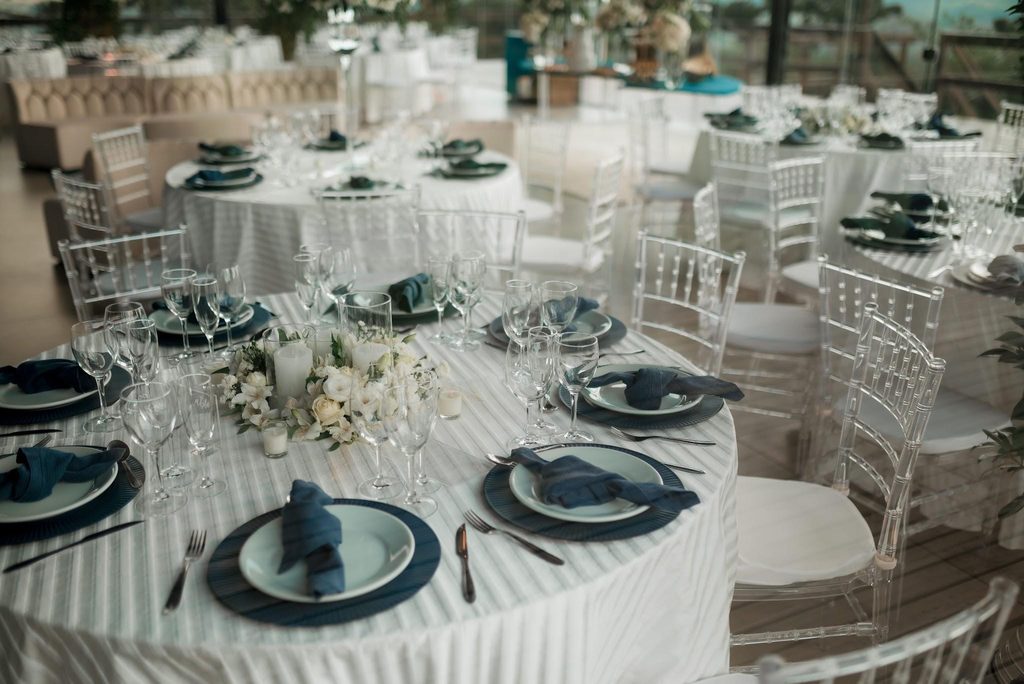
Thoughtful vendor alignment gives you the greatest wedding gift of all: the freedom to be present. When your culinary staff, venue coordinators, and planning team operate in complete lockstep, you never have to wonder if dinner is late or if drinks are flowing. You get to raise a toast, share incredible food, and watch your family celebrate in comfort. Investing in structured logistics upfront removes guesswork and creates an unforgettable reception that you will treasure for decades.
Written by: Fiona Adams