


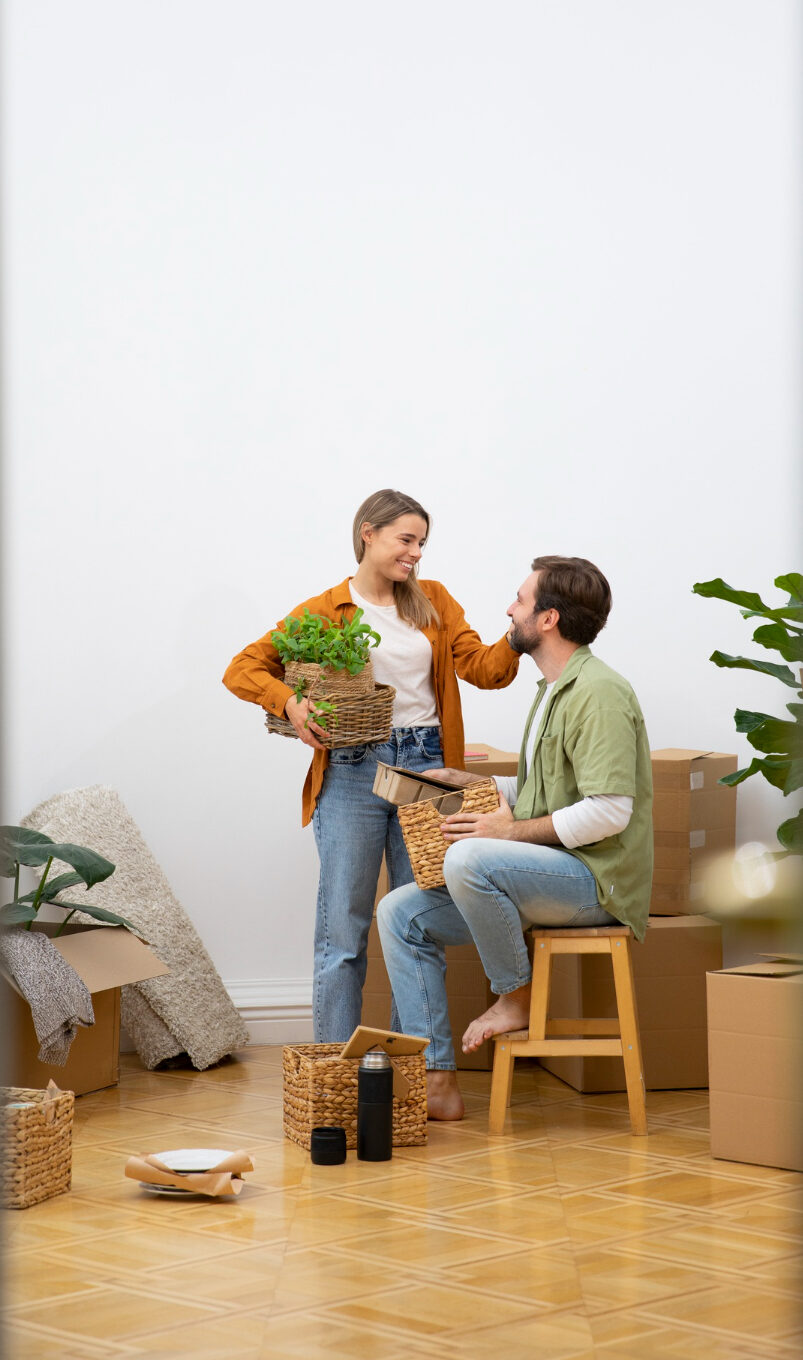



One of the most exciting aspects of preparing for a shared life together is designing your new home. While it can be thrilling to move in as a couple, merging distinct styles can often lead to conflict. Everyone has a vision of what a beautiful home looks like, and those visions can vary significantly between partners. This article will explore how couples can align their design tastes effectively while creating a home that reflects both personalities, emphasizing compromise, communication, and creativity throughout the process.
The Importance of Communication
Communication is key when it comes to aligning design tastes before tying the knot. Partners should carve out time to openly discuss their individual styles, preferences, and must-haves for the new home. Ignoring this key conversation may lead to misunderstandings or tension down the road. Creating a home together requires each partner to make compromises.
Discussing each person’s favorite colors, materials, and decorative elements fosters an atmosphere of collaboration. By setting the ground rules early and engaging in discussions about what each individual loves or dislikes, couples can collaboratively arrive at a design blueprint that feels unified. Emphasizing communication will allow partners to feel valued and heard, laying the groundwork for a peaceful environment as they plan their lives together.
Finding Common Ground in Design Styles
One effective approach is to separately jot down what each partner finds appealing in decor. Once both lists are complete, it’s time to compare notes. Look for overlapping themes or specific elements that resonate with both parties. If one partner leans toward a minimalist aesthetic while the other prefers a more traditional or eclectic touch, the key lies in finding elements that bridge both styles.
Creating a mood board can be beneficial as it visually represents the decor preferences of both individuals. Use magazine clippings, fabric swatches, color palettes, and pictures of rooms that resonate with each partner’s tastes. The combination of these inspirations can lead to an exciting fusion of designs that breathe personality into your shared space.
The Role of Budgeting in Design Choices
Aligning design preferences involves a pragmatic approach to budgeting. Setting a budget can help narrow down choices and prevent excessive spending, which can lead to stress. A joint financial discussion is crucial, as it leads to understanding what may be feasible and what lofty wishes might have to be shelved for the time being. This doesn’t mean partners should sacrifice their dreams. Instead, it fosters a sense of pragmatism.
Allocating a budget for various design elements can empower couples to prioritize their efforts. When confined to a certain monetary limit, find sleek towel rails that complement your chosen theme, along with other smaller decor items to integrate both personality reflections into the space. By prioritizing important elements for each partner, individuals will feel happier about the choices made and their mutual investment in their shared home.
Incorporating Personal Touches
Once the primary components of the home design are underway, it’s crucial to introduce personal touches that speak to both individuals. Framed photographs, travel souvenirs, or heirlooms can enrich the space. Each room can transform into a reflection of both partners by incorporating elements that tell your individual stories and experiences. This will add depth and warmth to your collective living environment, making your house a home.
Don’t shy away from displaying art or decor that holds memories for each person. Perhaps it’s a piece of artwork from trips you took together or a collection of vintage items that ignite fond memories. Infusing your home with personal items will give it character and serve as conversation starters when entertaining guests. Discover how the amalgamation of personal memories can create a narrative that makes your home truly unique.
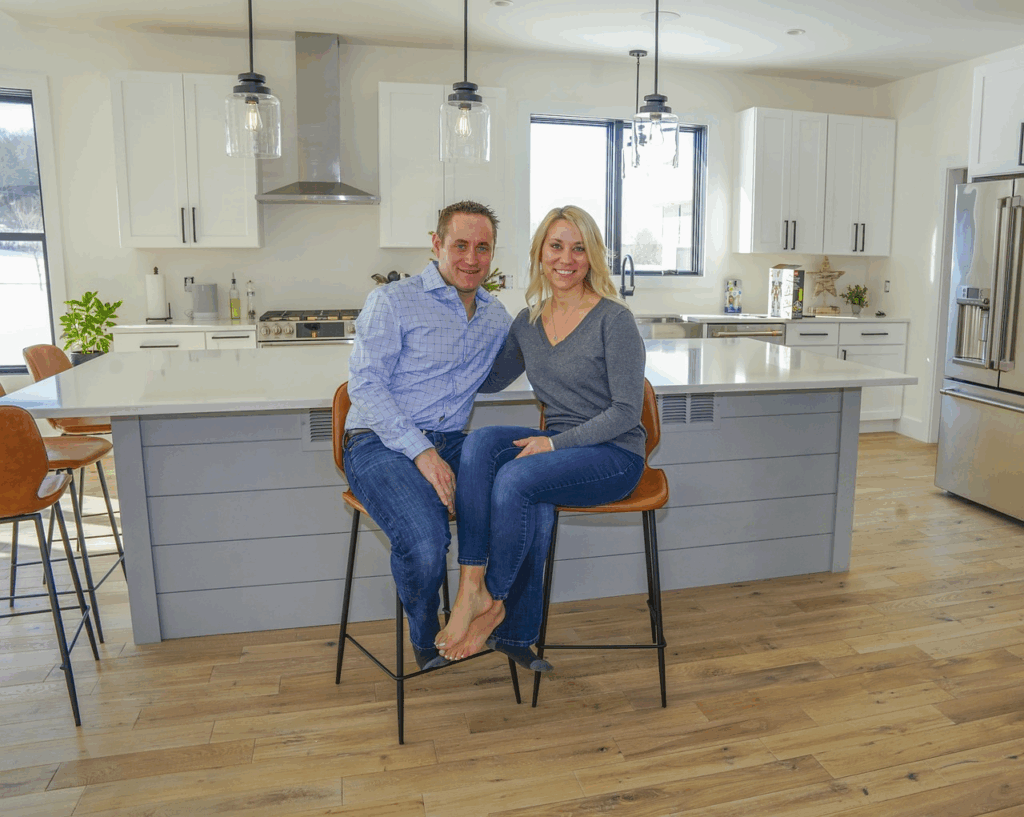
Creative Solutions for Space Challenges
Most homes will present their share of space limitations, leading to difficult design challenges. As such, couples should remain open to creative solutions that can accommodate both tastes without sacrificing comfort. Think creatively when dealing with functional spaces like living rooms or home offices.
Multi-purpose furniture can be a lifesaver, accommodating varying design elements while maximizing function. Select seating that could complement a modern or eclectic theme while fitting into limited areas. By keeping an open mind, couples can transform challenges into opportunities that enhance their living space without compromising on style.
Envisioning the Future Together
As you create your shared living space, ask yourselves how it can progress. Consider upcoming milestones such as family growth or lifestyle changes. Plan for adaptable spaces that allow for seamless transitions. This may influence the decor choices you make today.
Consider budgeting for the possibility of redecorating in the future if personal tastes shift or new family members arrive. Discuss how you envision maintaining your space. Will both partners engage in regular updates to keep things invigorating? Understanding each other’s preferences for home dynamics will help establish a sense of stability as you progress through your life stages.
By proactively aligning design tastes, maintaining consistent communication, and cherishing the moments spent decorating together, couples can ensure their home becomes a cherished sanctuary. Fostering a balance between individual and shared aesthetics will lead to a warm, inviting environment that symbolizes both partners’ devotion to one another.
Written by: Fiona Adams