

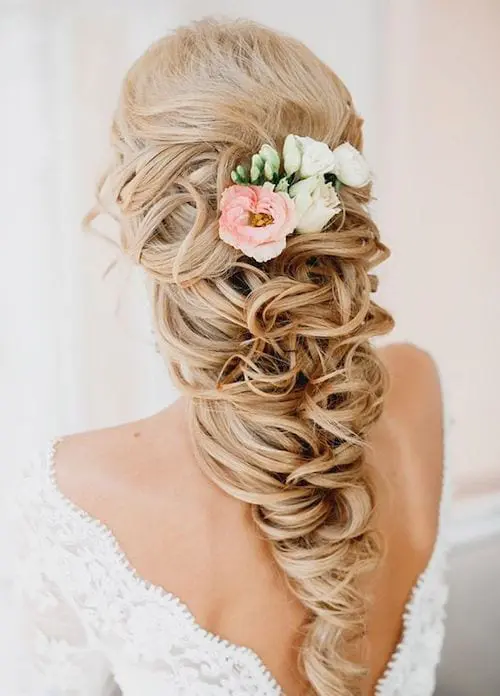



On a wedding day, curls are not just a style choice. They are part of a timeline that starts early, moves through multiple environments, and ends hours later under very different conditions.
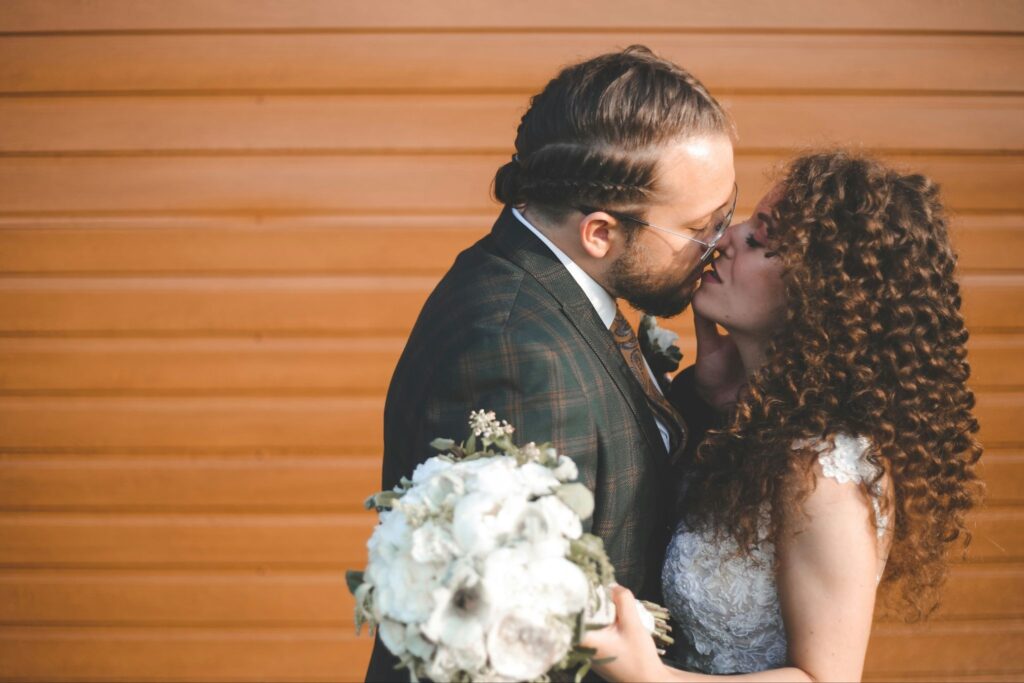
Hair goes through prep, travel, ceremony, photos, reception, and constant movement. What holds at 9 AM often doesn’t hold at 9 PM unless the entire routine is built for it.
I realized quickly that long-lasting curls are not about last-minute fixes. They are about setting the hair up correctly from the beginning.
It Started With Wash Day, Not Styling
The biggest shift I made was focusing on preparation, not just the styling session on the wedding morning.
Curls hold their shape based on moisture balance and elasticity. If the hair is too dry, curls frizz and lose definition. If it is too soft or over-conditioned, they drop before the ceremony is even finished.
Why Pre-Wedding Hair Prep Matters
Wedding hairstylists often recommend washing hair the day before, not the morning of. Clean hair can be too slippery, while slightly settled hair holds structure better.
At the same time, buildup from products or hard water can prevent curls from forming evenly. The goal is balanced hair, not freshly stripped hair.
What I Changed Before the Wedding Day
I adjusted my routine in the week leading up to the wedding.
Instead of experimenting, I kept everything consistent. No new products, no drastic changes, just making sure my hair was in a stable condition before styling.
That alone made the styling process faster and more predictable.
The One Product I Built Around
I didn’t want to introduce multiple variables right before the wedding. I focused on one product that supported curl structure from the foundation.
Why I Used It
I used Davines LOVE Curl Shampoo, designed for curly and wavy hair, because it maintains the balance my curls need without making them too soft or too dry.
For a wedding, that balance matters more than anything. Hair needs to be flexible enough to style but strong enough to hold.
What stood out was that my hair felt consistent every time I washed it. That consistency made it easier for my stylist to work with predictable texture.
How It Helped on the Day
On the wedding morning, my curls responded quickly to heat styling.
They formed evenly, held their shape, and didn’t require excessive product to stay in place. That reduced buildup and kept the look natural throughout the day.
Styling Was Planned for Longevity, Not Just the Ceremony
Wedding hair is often styled once and expected to last through multiple stages. That changes how curls need to be approached.
Sectioning and Curl Direction
Instead of curling hair randomly, my stylist worked in structured sections.
Curl direction was alternated to prevent clumping, which helps maintain volume over time. Uniform curls tend to merge and fall faster.
Pinning Before Release
Each curl was pinned after being styled and left to cool.
This step is often skipped in everyday styling, but for weddings, it makes a significant difference. Cooling in shape locks in the structure before the hair is brushed out.
Drying and Setting Made the Difference
The setting phase determined how long the curls would actually last.
Allowing Time for Full Set
We didn’t rush the process.
Curls were given enough time to cool completely before being released. This is critical because heat styling only sets shape once the hair returns to room temperature.
Controlled Finishing
Instead of brushing everything out at once, curls were separated gradually. This maintained definition while creating a softer overall look suitable for photos.
Outdoor Conditions and Movement
Most wedding days include time outside, even if the venue is indoors. Photos, transitions, and guest movement all expose hair to changing conditions.
Wind and Friction
Walking between locations, hugging guests, and general movement all disrupt curl structure.
This is why styles that include partial pinning or controlled sections tend to last longer than fully loose curls.
Humidity and Temperature
Humidity can soften curls, while dry heat can cause frizz.
Balanced hair holds better under both conditions, which is why preparation mattered more than adding extra product on the day.
How I Maintained My Curls Throughout the Day
Once the styling was done, the focus shifted to preservation.
Minimal Handling
I avoided touching my hair unless necessary. Every adjustment breaks the original structure. Less handling meant longer-lasting curls.
Strategic Touch-Ups
Instead of reworking sections, small adjustments were made only where needed. This preserved the overall shape rather than resetting it.
What I Noticed in Photos
The real test wasn’t how my hair looked in the mirror, it was how it held up in photos throughout the day.
Consistency Across Time
From getting ready shots to evening reception photos, the curl pattern stayed consistent. There was natural softening, but not collapse.
Movement Without Losing Shape
Curls moved naturally but returned to shape. That elasticity is what makes curls look good across different lighting and angles.
Where Wedding Curls Usually Fail
Watching other weddings and past experiences, the issues are usually predictable.
Overloading Products
Too much product weighs hair down. This leads to curls dropping before the reception.
Skipping the Set Phase
Not allowing curls to cool properly results in weak hold. This is one of the most common mistakes.
Last-Minute Changes
Trying new products or styles right before the wedding introduces risk. Consistency matters more than experimentation.
What Actually Made the Difference
Looking back, the result came from treating the entire process as a system.
- Hair was prepared days in advance
- The right foundation product kept texture consistent
- Styling was structured for hold, not just appearance
- Setting time was respected
- Maintenance was minimal and controlled
Each step supported the next.
Closing Perspective
Wedding curls that last are not accidental.
They are the result of controlled preparation, structured styling, and realistic expectations about how hair behaves over time.
Once I stopped trying to “fix” my hair during the day and focused on setting it up properly from the start, everything held.
From the first photo to the last one, the curls did exactly what they were supposed to do.
Written by: John Hales