

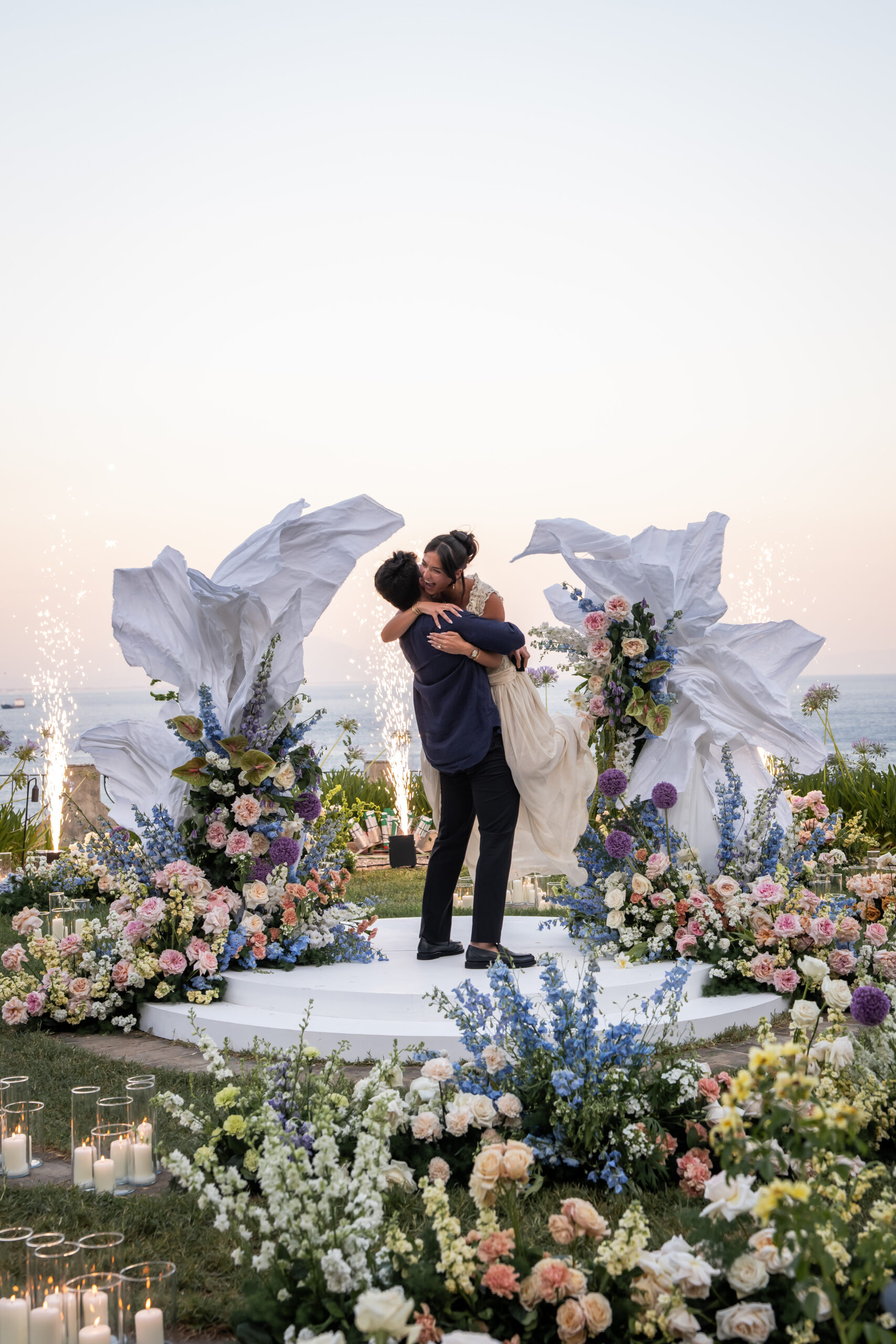



A proposal gets months of thought: the location, the ring, the flowers, the photographer, the exact moment the question is asked. Yet almost nobody plans what happens immediately afterward.
That is beginning to change.
As engagements become more intentional and personal, couples are treating the first day or two after the “yes” as an experience of its own—a small, meaningful bridge between being proposed to and suddenly becoming people who are planning a wedding.
There is also a practical reason to create a little breathing room. Engagement eventually comes with contracts, guest lists, legal paperwork and records that may matter long after the celebration.
Couples who like keeping future logistics organized can start one shared digital folder for everything from venue documents to information about obtaining a California (CA) marriage certificate after the wedding. The point is not to turn the engagement into an administrative project. It is to give practical details a home so they do not intrude on the emotional ones.
Protect the First Hour From the Rest of the World
One of the most refreshing engagement trends is also one of the simplest: not telling everyone immediately.
The Knot’s latest research found that 53% of couples who became engaged in 2025 prioritized a private proposal setting. The broader shift toward intimacy also appears in our very own piece on the rise of the quiet proposal, which frames privacy less as minimalism and more as a luxury.
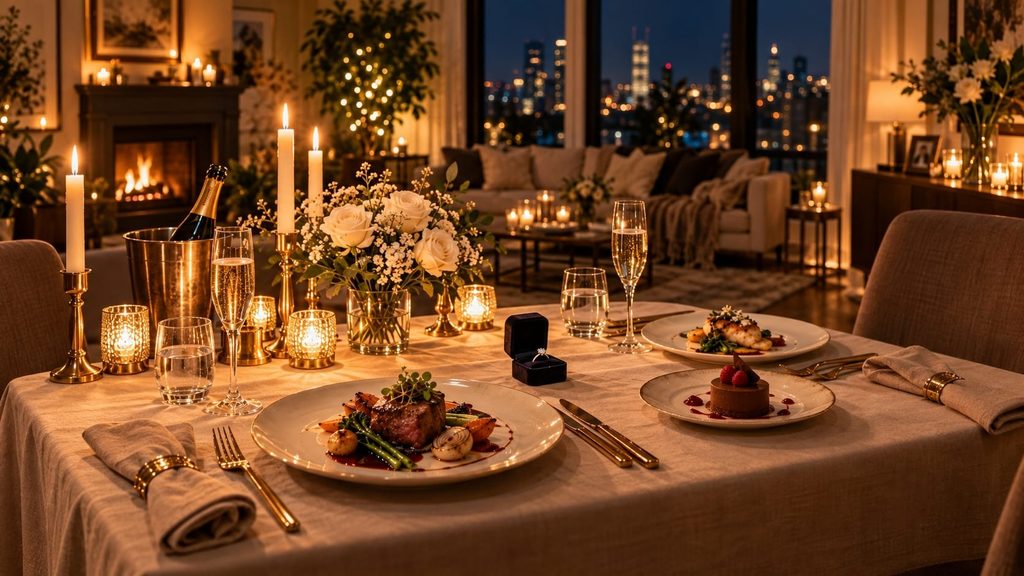
That idea can continue after the question is answered. Before calling parents, opening Instagram or responding to a flood of messages, consider protecting 30 or 60 minutes for just the two of you. Order champagne. Take a walk. Sit somewhere with a beautiful view. Ask each other what you remember about the moment.
That quiet hour may become one of the clearest memories of the entire engagement.
Create a “Memory Capture,” Not Just a Photo Dump
Proposal photography usually focuses on the instant someone gets down on one knee. The hours afterward deserve documenting too, but they do not necessarily require another polished photo shoot.
Record a two-minute voice memo describing what happened while it’s fresh. Photograph the dinner receipt, the handwritten note, the hotel key, the flowers or even the weather outside. Scent can be just as powerful a memory trigger, so make a note of the perfume you wore or the fragrance notes that remind you of the proposal setting. Ask each partner to write down three things they noticed that the other person may have missed.
These fragments often become surprisingly valuable later. They can inspire wedding vows, anniversary gifts, speeches or a wedding website story without forcing you to reconstruct the proposal months after it happened.
Decide How You Want to Share the News
An engagement announcement does not need to happen in one giant burst.
Start with the people who would be hurt to discover the news through social media. Parents, siblings, children and closest friends usually belong in that first circle. After that, decide whether you want a public announcement at all—and when.
For couples who want to share the moment creatively, creating a video from their favorite engagement photos and proposal clips can be a simple way to make a personal announcement for friends and family.
This slower approach suits how proposals themselves are evolving. According to the 2026 Real Weddings Study, 85% of proposals are now intentional, planned events, while more than half of couples discuss proposal preferences beforehand. Thoughtful communication is increasingly part of the engagement, not something that begins afterward.
Your announcement can follow the same philosophy: personal first, public second.
Have One Conversation About the Wedding—Then Stop
Someone will ask about your wedding date almost immediately. You do not have to know.
Instead of launching straight into venues and budgets, have one low-pressure conversation about the bigger picture. What kind of celebration sounds exciting? Is there a season you both love? Would you rather host one large event or something intimate? Are there people or traditions that feel non-negotiable?
Then give yourselves permission to stop.
That matters because the planning transition happens quickly. The Knot reports that nearly 60% of couples begin wedding planning within a month of getting engaged. Taking even a weekend before opening spreadsheets can help separate what you genuinely want from the avalanche of suggestions that follows an engagement.
Start a Tiny “Future Us” Folder
Romance and organization do not have to compete.
Create one shared cloud folder and add only the essentials: proposal photos, contact details for vendors you loved, early wedding ideas, receipts for valuable jewelry and a simple checklist of documents you may eventually need.
For couples planning to move in together or rent a new home after the engagement, the folder can also include housing paperwork such as a California lease agreement, along with moving documents, utility information and other records connected with setting up a shared household.
Later, that folder can hold your marriage license information and instructions for obtaining certified records. California, for example, distinguishes between the license used to marry and the certified certificate that can later serve as proof of marriage.
Five minutes of organization now can save a surprising amount of searching later.
Make the Engagement Feel Like a Beginning
The first 48 hours do not need an itinerary. In fact, their value comes from resisting the urge to turn the proposal into another project immediately.
Plan a favorite breakfast. Revisit the proposal spot the next morning. Buy a bottle of wine to save for your first anniversary. Write each other a note dated the day after you got engaged. Choose one small ritual that belongs only to the two of you.
Wedding planning will arrive soon enough. The “after-yes” window offers something rarer: a brief moment when nothing needs to be booked, finalized or optimized. You are simply engaged—and that deserves to be experienced before it becomes something to organize.
Written by: Stephanie White