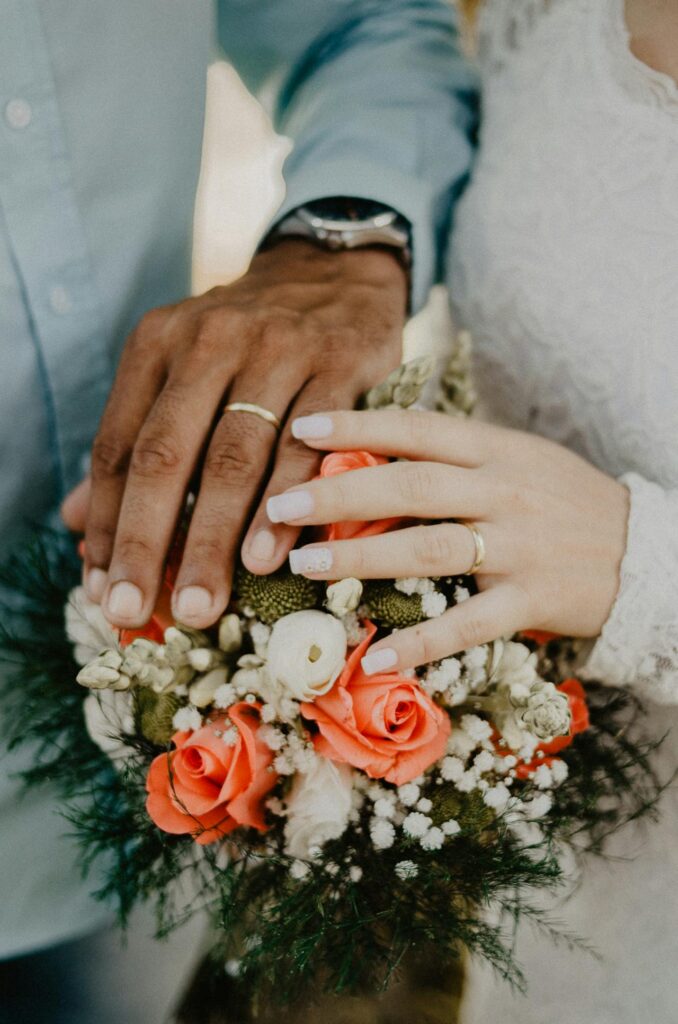


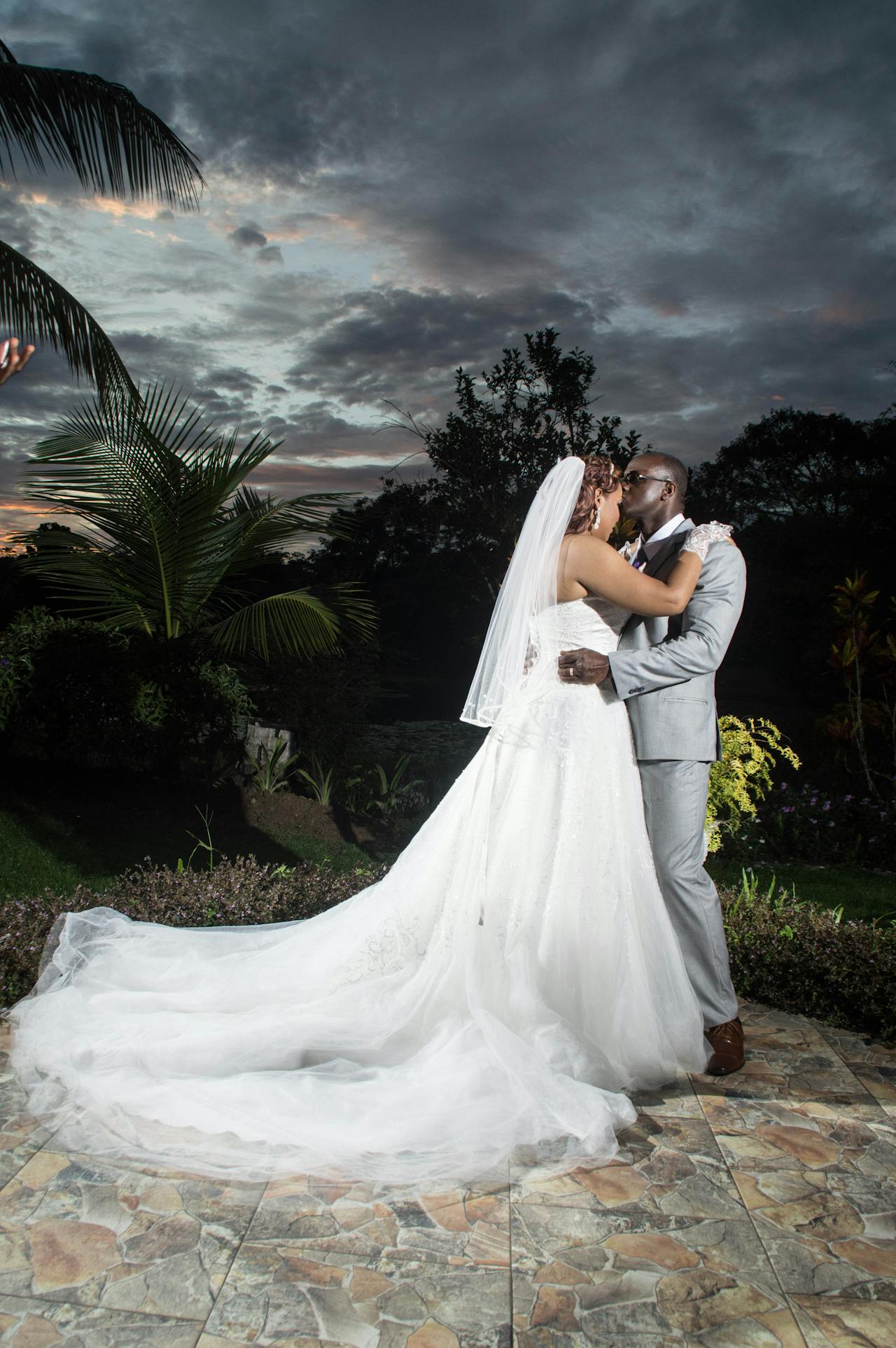



Weddings draw their strength from symbols. Rings, vows, flowers, and music all carry meaning that stretches far beyond the surface. Among these symbols, gold has held its place longer than most.
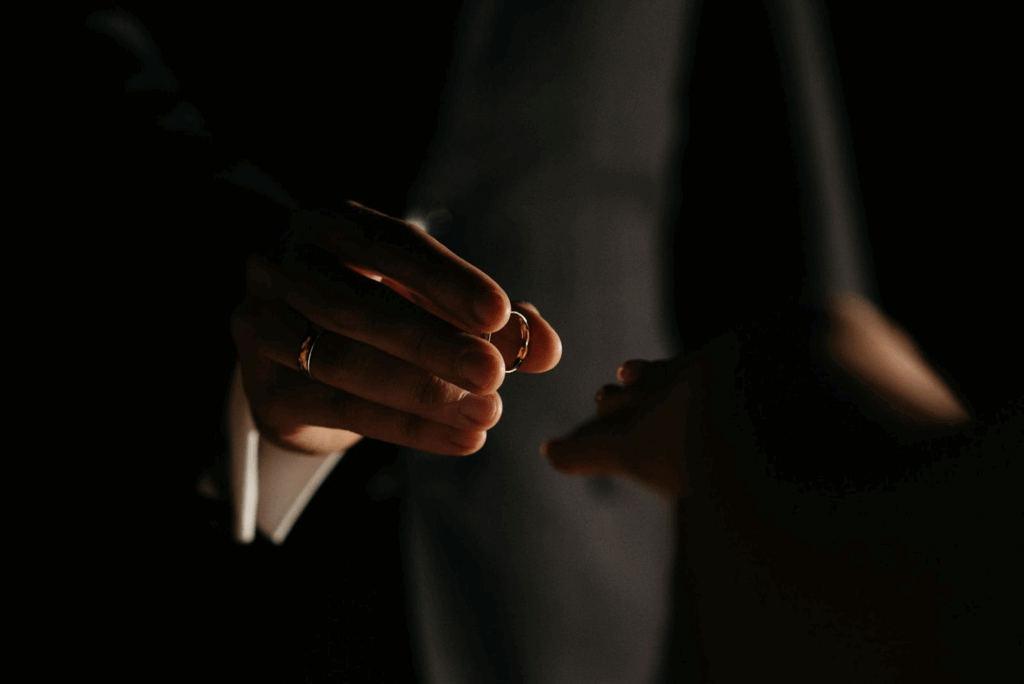
For centuries, golden pieces—earrings, necklaces, bangles, and, of course, wedding bands—have not been simple ornaments but carriers of memory, promises, and cultural weight.
A wedding without gold often feels unfinished, as if the script missed its final line. With gold, the ceremony speaks a universal language: permanence, radiance, and worth.
The Weight of Tradition
Gold is not fashionable in the temporary sense. Its meaning doesn’t shift with trends or seasons. From ancient civilizations to modern ceremonies, gold has been the chosen material for marriage because it endures.
It resists corrosion, it shines without effort, and it becomes more meaningful as it passes from one generation to the next.
Gold as an Heirloom
Many families bring golden pieces into the wedding that have already witnessed decades, sometimes centuries, of vows. Earrings worn by a grandmother, a chain gifted by parents, a bracelet preserved for a daughter—all these items carry more than shine; they carry stories.
Their presence makes the wedding not only about two individuals but about the continuity of families.
Gold Across Cultures
In Indian weddings, gold is seen as a form of wealth and blessing, often layered generously on the bride. In European traditions, delicate earrings or chains serve as tokens of elegance and continuity. In the Middle East, gold is gifted as part of dowries and family exchanges, symbolizing prosperity.
The details differ, but the thread is the same: gold stands for permanence and honor.
Earrings: The Small Pieces That Speak Loudly
Among the many golden accessories, earrings deserve attention. They frame the face, visible in almost every photograph, every exchange, every glance during the ceremony.
Earrings as First Heirlooms
For many brides, golden earrings are the first piece of fine jewelry they own as adults, passed down or gifted for the wedding. Unlike a ring, which remains on the hand, earrings are seen directly by every guest, echoing the bride’s expression as she moves through the day.
Styles That Endure
Gold hoops, studs, or drop earrings avoid the fate of becoming outdated. Their form evolves slightly over generations, but the essence remains the same. A bride photographed in the 1950s with golden studs resonates with a bride today wearing a similar pair. That timelessness is precisely why earrings carry such emotional force.
Why Gold Completes the Look
It is not vanity that gives gold its place but the sense of wholeness it creates. A gown, no matter how carefully chosen, feels unfinished without the quiet balance of jewelry. Gold provides that balance, catching light, marking edges, and giving the bride a presence that feels both regal and rooted.
Symbolism of Radiance
Gold reflects light like few other materials. In candlelit halls or outdoor celebrations, it draws attention gently, never aggressively. That glow becomes part of the bride’s aura, enhancing the sense that she is the center of the story, the one around whom everything gathers.
Among these symbols, gold has held its place longer than most. For those seeking timeless, radiant pieces, UGlam offers a curated selection of wedding jewelry that carries both beauty and meaning.
The Circle of Completeness
Most golden accessories—rings, earrings, bangles—form circles or arcs. The circle is among the oldest symbols of eternity and wholeness. Wearing golden circles on the wedding day becomes an unspoken statement: the couple’s life together will not fray or break, but endure.
Gold as Gift and Blessing
Gold at weddings is not only worn; it is given. Guests and families present golden pieces as a blessing, a gesture that wishes the couple wealth, stability, and beauty.
Practical and Symbolic Value
Unlike many gifts, gold holds both practical worth and symbolic depth. A set of golden earrings or a pendant is a gift the couple can cherish personally, but it also remains a financial asset. In times of difficulty, families throughout history have relied on such pieces. The gift therefore holds a double assurance: beauty for today, security for tomorrow.
Mark of Respect
When a family offers gold to the couple, it communicates respect and honor. It acknowledges the significance of the day and the seriousness of the union. Few other gifts carry that weight.
The Psychology of Gold at a Wedding
Beyond culture and tradition, there is also a psychological truth: humans respond differently to gold than to other metals.
A Natural Association
Gold’s warm tone mirrors the colors of sunrise and firelight—elements associated with life, warmth, and hope. Its rarity has only heightened this association. At a wedding, where everything is meant to signal beginnings and endurance, this natural link makes gold feel almost inevitable.
Confidence and Presence
For the bride and groom, wearing gold can bring a sense of confidence. A golden pair of earrings or a chain does more than complete an outfit—it anchors it. Guests perceive that presence, even if they cannot articulate why.
Avoiding Excess, Keeping Meaning
There is always the temptation to treat gold as display, to layer so much that the symbolism turns into spectacle. But the deepest traditions never confuse excess with meaning.
Choosing Thoughtfully
One pair of golden earrings, a ring, and perhaps a subtle necklace may be enough to mark the day with dignity. Each piece should be chosen not for size but for story. A small pair of studs inherited from a relative may mean more than an elaborate necklace bought hurriedly.
Balance With Attire
Gold should support, not compete with, the gown or suit. The goal is harmony, where the attire and the jewelry seem to belong to each other, creating a single expression of grace.
Why Gold Persists in Modern Weddings
Even in an age where weddings adopt minimalist or unconventional styles, gold continues to hold its place. Couples who choose sleek designs, modern venues, or casual ceremonies still often include golden rings, earrings, or cufflinks.
Continuity Across Generations
This persistence shows that gold is more than decoration. It is continuity. Wearing golden pieces ensures that, no matter how much weddings change in format, they remain linked to centuries of tradition.
A Bridge Between Past and Future
When a bride wears golden earrings her mother once wore, or a groom fastens golden cufflinks that belonged to his grandfather, the day is not only about beginning a marriage but about honoring everything that led to it. Gold becomes the bridge across time.
A Radiance That Completes the Story
A wedding without golden pieces feels like a sentence without its final word. Rings, earrings, necklaces, bangles—all play their part not because they glitter, but because they carry permanence, dignity, and blessing.
Earrings frame the face of the bride. Rings seal the vows. Necklaces and bracelets whisper of family ties. Together, these golden pieces create a sense of completion—a glow that tells everyone present that the story is not just beginning, but already rooted in something lasting.
Weddings feel complete when gold is part of the story because gold itself is complete: unchanging, enduring, radiant. It is the material that best mirrors what marriage strives to be.
Written by: John Hales