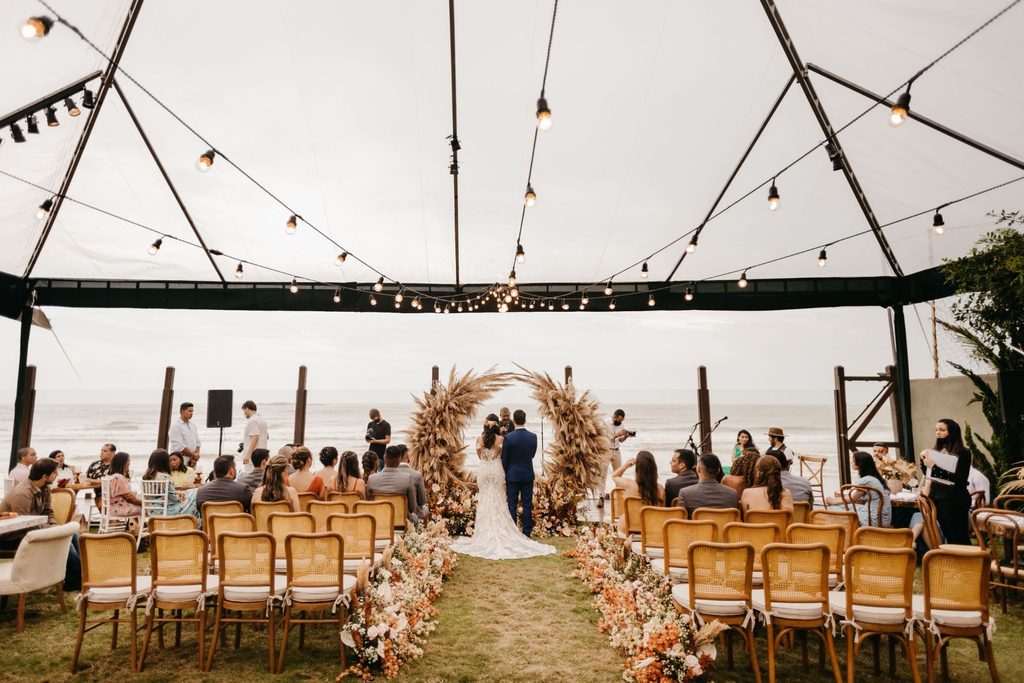





Proposing to a partner is considered one of the happiest moments, but when your loved one is contending with serious health issues, you should be extremely careful and sensitive in how you go about making this very special proposal. The emphasis here should be placed on the connection rather than on the romantic gesture itself.
Prioritize Physical Comfort and Logistics
Every logistical decision in proposal planning during health challenges must be guided by physical accessibility and energy management. Select an environment that meets your partner’s unique medical requirements. This could mean a calm night at home or a tranquil garden with flat pathways. The goal is to remove physical stressors like extended travel times, and uncomfortable seats, or even erratic weather conditions. This makes sure that unease does not eclipse the emotional importance of the moment.
Timing is also just as important. It should follow your partner’s daily flow rather than a romantic idea. Pick a time when they are usually most alert. This can be after getting some rest or taking their medication. Leave room for them to get tired or for changes in their appointments. Taking time to plan around your loved one’s needs will help establish a sense of safety and trust before you pop the question. It will show them that you’re committed to taking care of them in all seasons of life.
Focus on Authentic Emotional Connection
The classic ways of proposing are based on surprises and the element of spectacle, but in the case of health issues, intimate and authentic moments become more important than performance. Instead of an elaborate setup, create a private moment and share your authentic feelings about the significance of your relationship and focus on their identity and strength rather than the diagnosis of your beloved one. Recall some concrete examples that show your endurance as a couple. This makes sure that the proposal is a natural continuation of your ongoing support rather than a response to their illness.
The words you say during this time are also extremely important. Do not make generic promises or use any phrases that might imply pity. Explain your readiness to be there for them through any hardships related to their health issues. Emphasize that marriage represents partnership in all circumstances. This includes the times of treatment or the search for answers to issues like mesothelioma symptoms. Knowing they have support and are not alone brings great comfort and relief.
Integrate Personal Symbols and Controlled Support
Incorporating personal symbols enriches the experience effortlessly. It makes the proposal a representation of your distinct journey instead of a generic occasion. Think about incorporating meaningful items such as important photos alongside a cherished song, handwritten letters or notes, and symbols of strength.
This adds personal touches that connect on a deeper level than elaborate displays. These concrete aspects honor the life you’ve created, anchoring the moment in your shared memories and hope whilst maintaining attention on your bond rather than external expectations.
Engage reliable friends and family wisely to create a supportive safety net while ensuring the moment remains manageable and privacy is respected. This could involve having family close by but not present during the actual question. This allows your partner to feel surrounded by love rather than scrutiny.
Subsequently, allocate time for quiet contemplation or gentle celebrations. This makes sure that the occasion remains an intimate testament to your bond that celebrates your past. This approach bolsters your current connection and embraces your future together.
Endnote
Proposing to your partner facing health concerns requires both love and realism. Frame the commitment as steady rather than reactive and choose a moment that respects their comfort and dignity. The goal is not a perfect proposal but a promise to face life’s uncertainties together with compassion and unwavering support.
Written by: Logan O.