

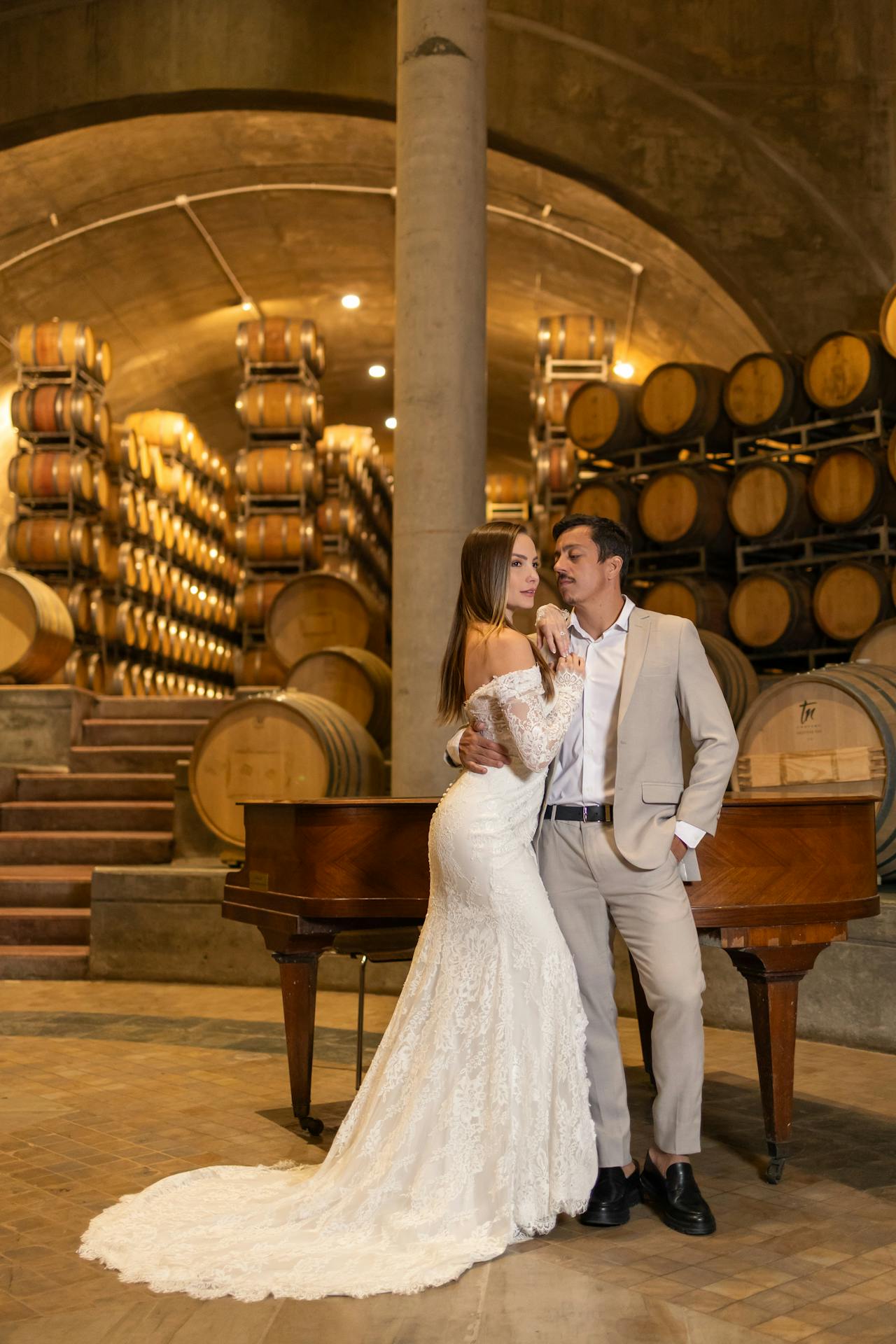



Wine is rarely just a drink at a wedding. It’s a thread that weaves through moments, carrying laughter, deep conversations, and small toasts that grow into lifelong memories.
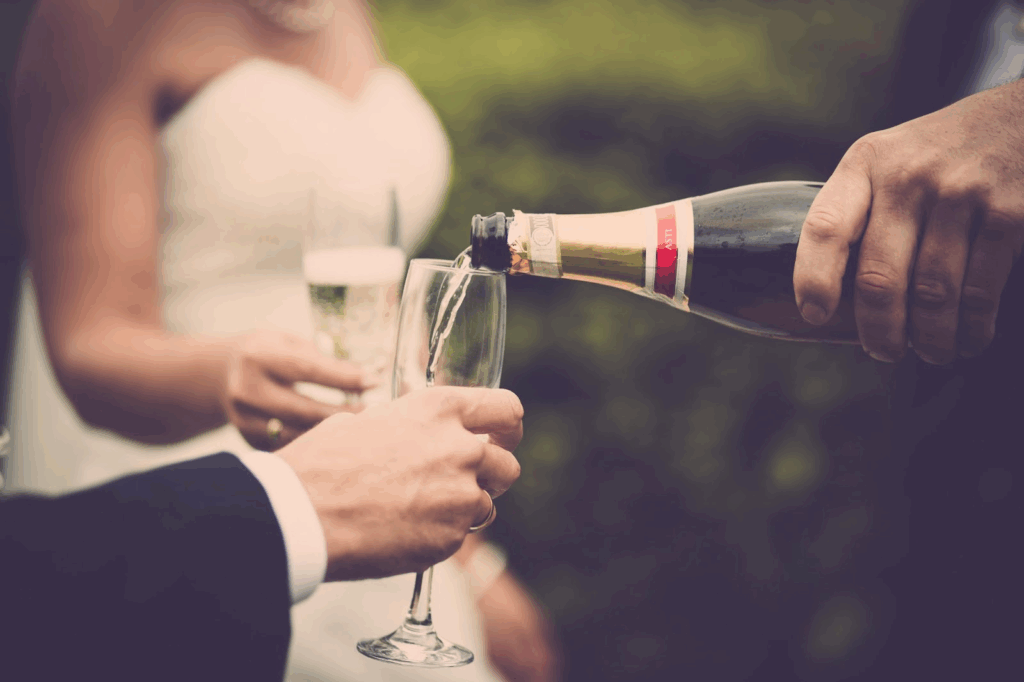
With the right wine, a wedding doesn’t feel like an orchestrated event—it feels like a story, layered and lingering, a story guests take home in memory as much as the couple carries forward in heart.
Why Wine Holds Such Power at Weddings
Weddings already overflow with symbols: rings, flowers, vows. Wine joins this company naturally. Across cultures, it represents joy, blessing, and abundance. It slows people down—no one gulps a glass of wine mindlessly. Instead, they swirl, sip, notice.
In a day that can pass too quickly for the couple themselves, wine becomes a way of savoring.
A Drink That Matches the Pace
Unlike spirits, wine doesn’t dominate. Unlike beer, it doesn’t slip into the background. It sits right in the middle: festive but elegant, abundant but thoughtful. This balance allows wine to guide the rhythm of the evening. It works during speeches, through the meal, and into the later hours when the music takes over.
A Shared Language
Wine also opens conversation. Guests who might never have spoken to each other before can bond over a bottle at their table, trading notes on flavor, origin, or simply whether they like it. The act of pouring and passing builds its own subtle connections.
Choosing Wines That Tell the Couple’s Story
There is no single “right” wine. The right one is the bottle—or bottles—that fit the couple’s personality and the atmosphere of their celebration.
Wines With a Sense of Place
A local wine can tie the wedding to its setting. A Tuscan celebration naturally shines with Chianti, while a ceremony in California might glow with Napa or Sonoma bottles. Serving wines grown near the venue makes the event feel anchored in the land and the season.
Wines With Personal History
Some couples choose wines with stories of their own. Perhaps a bottle from the region where they first traveled together, or a vineyard visited during the proposal trip. Guests may not know the backstory unless it’s shared, but the couple does—and that adds invisible depth to the experience.
Mixing Familiar and Surprising
Guests feel comfortable when they recognize a variety, but they’re delighted when introduced to something new. A balance of well-known wines (a reliable Sauvignon Blanc or Merlot) alongside a few discoveries (a crisp Grüner Veltliner, a bold Carménère) keeps the mood both grounded and adventurous.
Practical Side: Serving Wine Smoothly
The romance of wine needs support from logistics. A beautifully chosen bottle falls flat if it’s served warm, poured awkwardly, or left unopened at the wrong moment. This is where accessories and preparation matter.
Glassware That Complements, Not Overwhelms
No one needs a twelve-piece stemware set at a wedding. A good universal glass—something elegant, with enough bowl to swirl reds but narrow enough to hold whites—keeps the look consistent and the tables graceful.
Openers, Stoppers, and the Unseen Details
Behind every toast is someone doing the work. A solid corkscrew, a few stoppers for half-finished bottles, drip collars to protect linens—these items disappear into the background when chosen well, but their absence is noticed immediately.
Wine Coolers and Keeping Balance
Temperature decides half the battle. White wines that sit too long in the open air lose their crispness; reds can become heavy if they warm beyond comfort. Venues with built-in storage handle this automatically, but not every location is equipped.
For weddings in barns, gardens, or modest banquet halls, a standalone wine cooler—or even several smaller ones—becomes invaluable. It doesn’t need to be a centerpiece. It simply ensures that the Sauvignon stays bright and the sparkling wine still feels alive by the time of the final toast.
When paired with ice buckets at the tables, this quiet tool keeps the entire flow smooth without drawing attention to itself.
Pairing Wine With the Meal
The dinner is often the most extended part of the celebration, and the wines chosen for it shape how the food is remembered.
Starters and Whites
Light appetizers pair well with crisp whites. Think Pinot Grigio with canapés or a citrusy Albariño alongside seafood starters. These wines refresh the palate, keeping conversation lively as the evening begins.
Main Course Harmony
Here the structure of the menu matters most. A beef dish calls for a bold red; chicken may welcome a Chardonnay or light Pinot Noir. Vegetarian mains, often rich in herbs, find balance with aromatic whites like Gewürztraminer. The point is not rigid matching but harmony—the wine should lift the dish, not wrestle with it.
The Sweet Finish
Dessert wines don’t appear at every wedding, but when they do, they close the meal like a whispered coda. A glass of Moscato d’Asti, a late-harvest Riesling, or a local fortified wine feels like a gift rather than an afterthought. Guests rarely expect it, which makes the gesture memorable.
Beyond Dinner: Wine in the Flow of the Day
Wine isn’t confined to the meal. It can appear in other corners of the celebration, weaving continuity throughout.
Welcome Drinks
Offering a light sparkling wine or rosé as guests arrive sets the tone immediately. It communicates generosity, without overwhelming the palate before the main event.
Toasts That Carry Meaning
The ceremonial toast—the moment glasses rise toward the couple—feels stronger when the wine itself is chosen with intention. A Prosecco may sparkle with accessibility, while Champagne signals classic elegance. Each carries its own symbolism, and the choice speaks quietly about the mood the couple wants to convey.
Late-Night Ease
When the music plays and the evening relaxes, a red blend or easy rosé works well. These wines are forgiving, versatile, and enjoyable even after several hours of celebration. They encourage guests to linger without tipping into excess.
Creating an Atmosphere, Not Just a Menu
The true role of wine is atmospheric. It shapes the way guests experience the evening, from the first sip to the last song.
The Slow Craft of Enjoyment
Wine naturally slows time. Pouring, tasting, discussing—it invites mindfulness. In a wedding day filled with schedules and transitions, wine creates pauses, little stretches where guests truly settle into the moment.
A Shared Sensory Memory
Long after the décor fades, people recall the taste of a certain sparkling wine, the warmth of a red shared during speeches, or the crispness of a white under summer lights. These sensory memories lodge deeper than color schemes or place cards. They become shorthand for the entire celebration: that was the night we drank…
A Story Poured Into Glasses
A wedding needs more than beautiful visuals to be remembered. It needs textures, flavors, and shared moments. The right wine provides all three. It doesn’t need to dominate or demand—it simply threads through the day, lifting each scene gently, making sure nothing rushes by unnoticed.
With a little care in choosing bottles, securing the right accessories, and keeping them at the right temperature, wine turns from beverage into narrative. Guests leave not only remembering that they danced and dined, but that they savored something together, a story poured into glasses, a story that still lingers.
Written by: John Hales